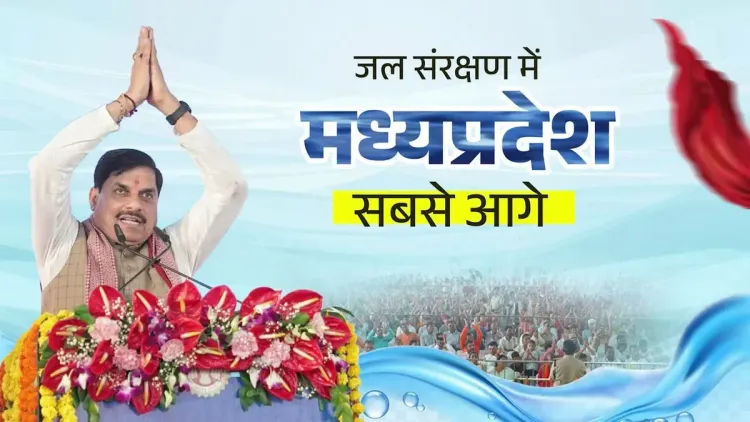
CM Mohan Yadav: MP leads nation in water conservation via Jal Ganga Abhiyan
Synopsis
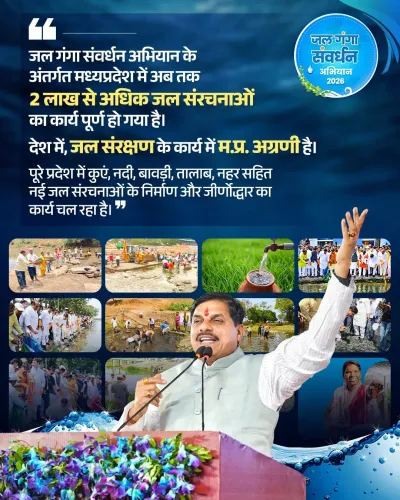
Chief Minister Mohan Yadav says Madhya Pradesh is leading national water conservation efforts through the Jal Ganga Sanvardhan Abhiyan, aligning the state campaign with PM Modi's broader push and citing district-level action in Dhar.
Key Takeaways
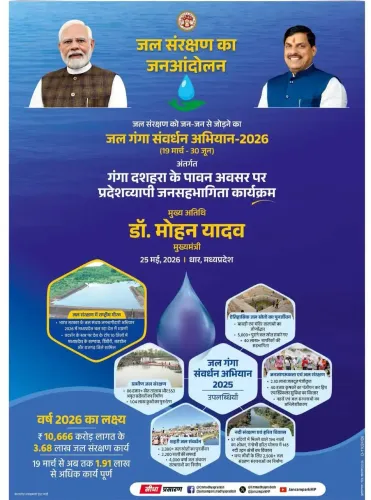
The Chief Minister's Office of Madhya Pradesh announced on 25 May 2026 that the state is playing a leading role in national water conservation.
Mohan Yadav credited PM Narendra Modi's national direction for driving comprehensive water conservation work across India.
The Jal Ganga Sanvardhan Abhiyan is the state's flagship vehicle for water body conservation, groundwater recharge, and Ganga basin management.
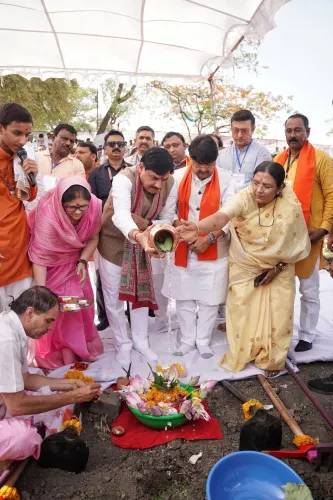
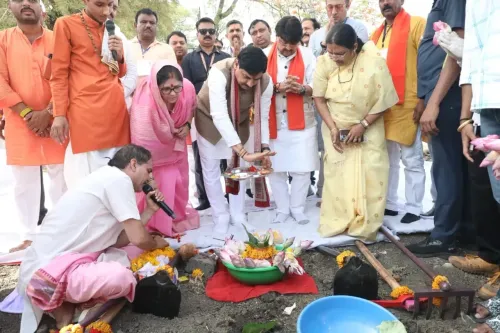
Dhar district in western Madhya Pradesh was specifically referenced as a site of on-ground campaign activity.
The abhiyan builds on earlier state and central programmes including the Mukhyamantri Jal Swavalamban Abhiyan (2016), Jal Shakti Abhiyan (2019), and Namami Gange (2014).
Farmers and rural communities in water-stressed districts are the primary beneficiaries of the campaign.
The Chief Minister's Office of Madhya Pradesh, on behalf of Chief Minister Dr. Mohan Yadav, announced on Monday, 25 May 2026 that Madhya Pradesh is playing a leading role in water conservation across India through the state's Jal Ganga Sanvardhan Abhiyan, crediting the initiative to the broader national push under Prime Minister Narendra Modi.
Context
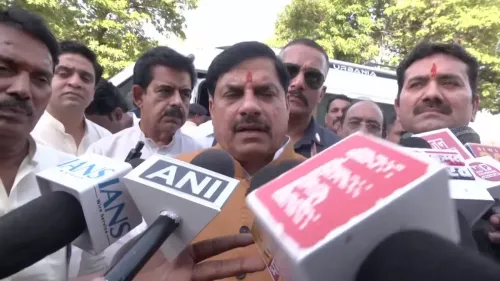
The post, shared from the official @CMMadhyaPradesh handle, quotes CM Yadav as saying: 'Yashasvi Pradhanmantri Shri Narendra Modi ji ke netritva mein deshbhar mein jal sanrakshan ke vyapak karya kiye ja rahe hain' — 'Under the leadership of the distinguished Prime Minister Shri Narendra Modi, extensive water conservation work is being carried out across the country.' The statement specifically references Dhar district in western Madhya Pradesh, indicating on-ground activity under the campaign in that region.
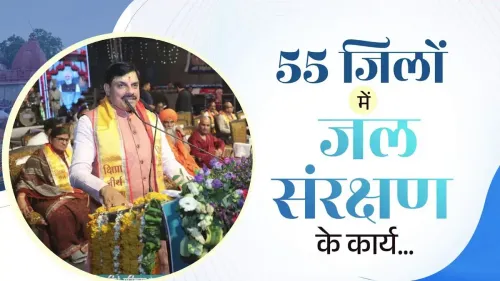
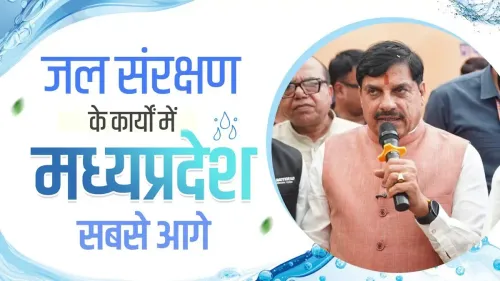
CM Yadav positioned Madhya Pradesh as a frontrunner in the national water conservation effort, describing the Jal Ganga Sanvardhan Abhiyan as the vehicle through which the state is fulfilling that role.
Policy Backdrop
The Jal Ganga Sanvardhan Abhiyan is a Madhya Pradesh government initiative centred on conservation of water bodies, groundwater recharge, and management of the Ganga river basin within the state. It is widely seen as the state-level expression of centrally sponsored programmes including the Namami Gange programme — launched in 2014 — and the Jal Shakti Abhiyan, which began in 2019 to promote rainwater harvesting and aquifer recharge across India.
Madhya Pradesh has a track record of running coordinated water security campaigns. The state launched the Mukhyamantri Jal Swavalamban Abhiyan in 2016 for watershed development, establishing an institutional habit of district-level water management that the current abhiyan builds upon. The state also participates in the Jal Jeevan Mission, the central scheme aimed at providing piped water to every rural household.
Stakeholders and Impact
The primary beneficiaries of the Jal Ganga Sanvardhan Abhiyan are farmers and rural communities in water-stressed districts such as Dhar, where groundwater depletion and erratic rainfall have historically posed challenges to agriculture and drinking water security. District-level implementation means local bodies, gram panchayats, and community groups are directly involved in activities such as pond restoration, check-dam construction, and plantation drives along water bodies.
The campaign also has implications for urban water users and industries dependent on river flows originating in Madhya Pradesh, which is often described as the 'water tower' of peninsular India given the number of major rivers — including the Narmada, Chambal, and Betwa — that originate or flow through the state.
What's Next
With the monsoon season approaching, the state government's emphasis on the Jal Ganga Sanvardhan Abhiyan signals an intent to maximise rainwater harvesting and recharge infrastructure ahead of the rains. Observers will watch for progress reports from Dhar and other participating districts, as well as any announcements linking the state campaign to fresh central scheme allocations or funding under Namami Gange or the Jal Jeevan Mission.
The state's positioning of this campaign as nationally significant also suggests Madhya Pradesh may seek to project its water conservation model to other states, particularly as India faces growing pressure on freshwater resources ahead of the summer months.
Point of View
Tying Madhya Pradesh's governance record to PM Modi's environmental credentials ahead of the monsoon. The mention of Dhar, a district with significant tribal and agrarian populations, suggests the campaign is being pushed into constituencies where water access carries direct electoral and welfare weight. Madhya Pradesh's consistent pattern of branding state water schemes as extensions of central missions reflects a broader BJP governance model of vertical policy integration. Whether the abhiyan delivers measurable outcomes in groundwater levels or water body restoration will determine if the political messaging translates into durable administrative impact.
NationPress
21 Sept 2026
Frequently Asked Questions
What is the Jal Ganga Sanvardhan Abhiyan in Madhya Pradesh?
The Jal Ganga Sanvardhan Abhiyan is a Madhya Pradesh government campaign focused on conserving water bodies, recharging groundwater, and managing the Ganga river basin within the state. It is aligned with central programmes such as Namami Gange and the Jal Shakti Abhiyan.
What did CM Mohan Yadav say about water conservation on 25 May 2026?
CM Mohan Yadav stated that under PM Narendra Modi's leadership, extensive water conservation work is being carried out across India, and that Madhya Pradesh is playing a leading role through the Jal Ganga Sanvardhan Abhiyan.
Which district in MP is mentioned in the Jal Ganga Sanvardhan Abhiyan post?
Dhar district in western Madhya Pradesh was specifically referenced in the Chief Minister's Office post, indicating active on-ground campaign work in that region.
How does Madhya Pradesh's water campaign connect to central government schemes?
The Jal Ganga Sanvardhan Abhiyan is positioned as the state-level implementation of central initiatives including Namami Gange (2014), Jal Shakti Abhiyan (2019), and the Jal Jeevan Mission, which together aim at river rejuvenation, rainwater harvesting, and rural water supply.
Who benefits from the Jal Ganga Sanvardhan Abhiyan?
The primary beneficiaries are farmers and rural communities in water-stressed districts of Madhya Pradesh. Local bodies and gram panchayats are involved in activities such as pond restoration, check-dam construction, and plantation drives along water bodies.