CM Mohan Yadav Launches Pond Deepening Drive in Dhar
Synopsis
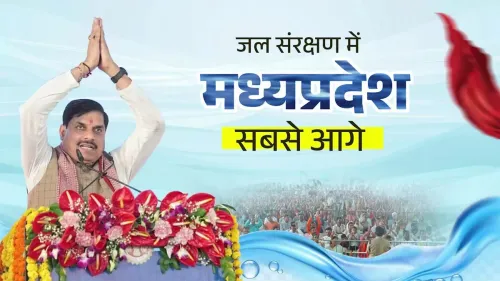
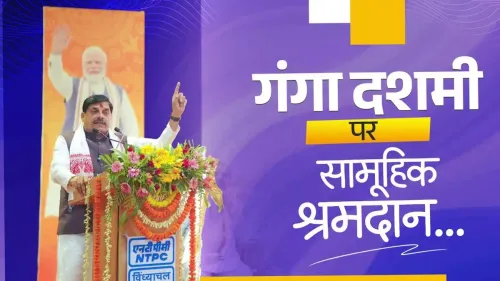
Madhya Pradesh Chief Minister Dr. Mohan Yadav launched deepening work at Devi Sagar Talab in Dhar district on 25 May 2026, participating in shramdaan under the Jal Ganga Sanvardhan Abhiyan. He called water conservation a social movement requiring active public participation, not just government action.
Key Takeaways
Mohan Yadav personally participated in shramdaan at Devi Sagar Talab , Dhar district , on 25 May 2026 .
The event formally launched deepening and desilting work under the Jal Ganga Sanvardhan Abhiyan .
The Chief Minister described water conservation as a community-driven social campaign, not solely a government responsibility.
Dhar district lies in western Madhya Pradesh's Malwa region, an area facing groundwater depletion pressures.
The state's approach combines government machinery with public shramdaan, mirroring the model of the central Jal Shakti Abhiyan launched in 2019 .
Possible integration with the Amrit Sarovar initiative could extend the campaign's reach to 75 water bodies per district.
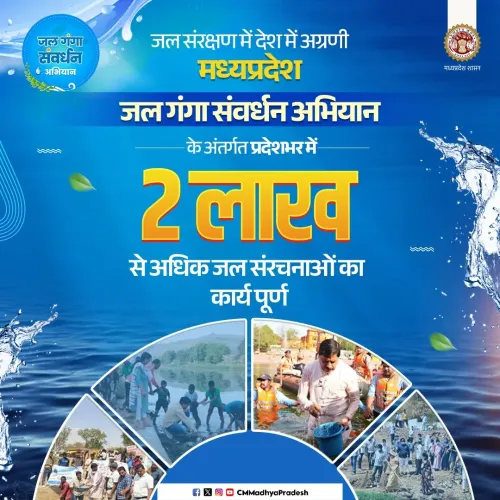
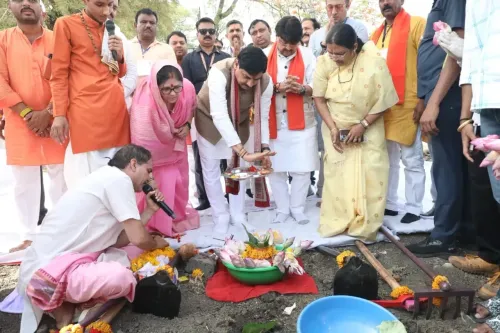
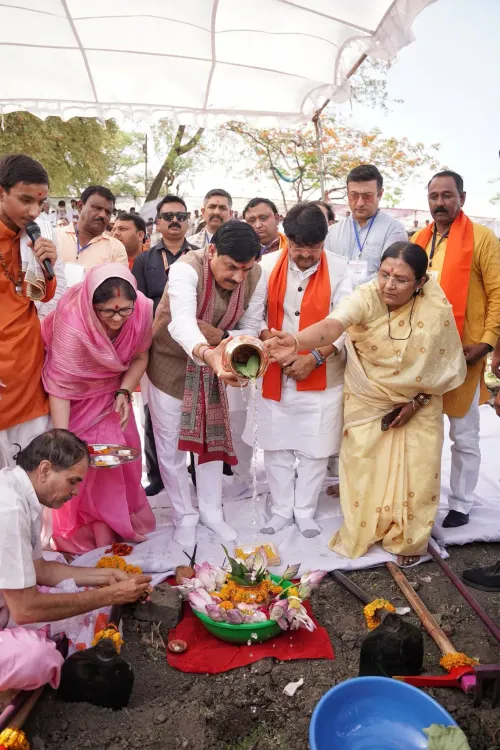
Madhya Pradesh Chief Minister Dr. Mohan Yadav on Monday, 25 May 2026, personally participated in a shramdaan at Devi Sagar Talab in Dhar district, formally launching deepening and desilting work at the traditional pond under the state's Jal Ganga Sanvardhan Abhiyan (Water-Ganga Conservation Campaign).
Context
Posting on X, Dr. Yadav declared Madhya Pradesh a leader in water conservation and framed the campaign as a social movement rather than a government programme alone. He wrote: 'जल संरक्षण केवल सरकार की जिम्मेदारी नहीं है, बल्कि जनभागीदारी से जुड़ा सामाजिक अभियान है' — 'Water conservation is not solely the government's responsibility; it is a social campaign rooted in public participation.' He called on citizens to play an active role in saving water and reviving traditional water sources.
The event at Devi Sagar Talab involved the Chief Minister joining labourers in manual desilting work — a symbolic act of shramdaan intended to encourage community ownership of the initiative across the state's districts.
Policy Backdrop
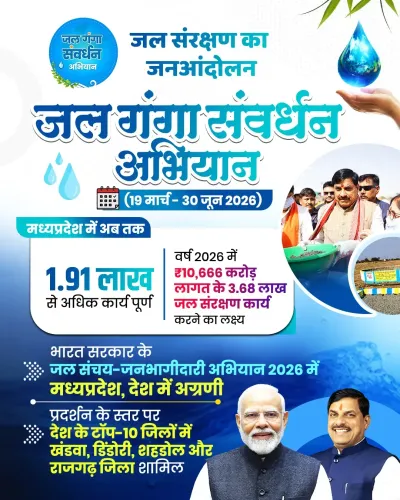
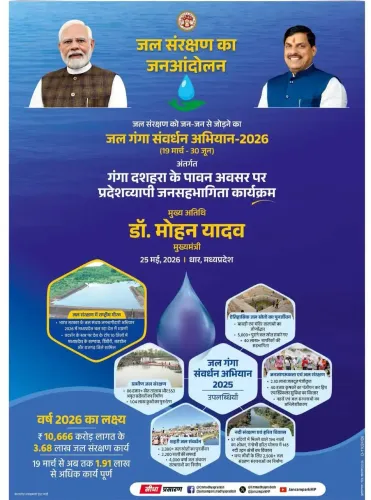
The Jal Ganga Sanvardhan Abhiyan is a Madhya Pradesh state campaign focused on the conservation and rejuvenation of ponds, tanks, and river systems through organised public participation. Dhar district, located in western Madhya Pradesh's Malwa plateau, is among the regions where groundwater depletion has been a persistent concern for farming communities.
The state's approach to water-body restoration draws from the broader national policy emphasis established by the central government's Jal Shakti Abhiyan, launched in 2019, which promoted district-level drives for reviving traditional water sources across states including Madhya Pradesh. State-level campaigns such as this one combine government machinery with community shramdaan rather than relying solely on capital-intensive infrastructure projects.
Observers have noted that Madhya Pradesh has made pond and tank rejuvenation a recurring policy priority, particularly in the Malwa and Narmada basin regions where seasonal water stress affects both agriculture and drinking water access.
Stakeholders and Impact
The primary beneficiaries of pond deepening and desilting work are farmers and rural communities who depend on traditional water bodies for irrigation and groundwater recharge. Desilting increases a pond's storage capacity and slows the rate at which surrounding aquifers deplete during dry months.
By conducting the launch in Dhar — a district with a significant tribal and agrarian population — the state government signals that the abhiyan is intended to reach communities beyond urban centres. The shramdaan model also reduces dependence on contracted labour and builds local stewardship of restored assets.
What's Next
The Jal Ganga Sanvardhan Abhiyan is expected to expand to further districts across Madhya Pradesh in the coming weeks, with similar shramdaan events likely to be organised at the block and panchayat level. Potential integration with central schemes such as the Amrit Sarovar initiative — which targets the creation and rejuvenation of 75 water bodies per district — could amplify the programme's reach and funding base.
How effectively the state converts high-visibility launches into sustained, measurable improvements in pond capacity and groundwater levels will determine whether the campaign delivers lasting benefit to Madhya Pradesh's water-stressed rural districts.
Point of View
Echoing the framing of the Swachh Bharat and Jal Shakti campaigns at the national level. For Madhya Pradesh, where groundwater stress in the Malwa and Narmada basins is a genuine agricultural concern, the policy substance is real even if the rollout is partly performative. The longer test will be whether the abhiyan produces independently verifiable improvements in pond storage and aquifer levels, or remains a series of high-visibility launches.
NationPress
19 Sept 2026
Frequently Asked Questions
What is the Jal Ganga Sanvardhan Abhiyan in Madhya Pradesh?
The Jal Ganga Sanvardhan Abhiyan is a Madhya Pradesh state campaign focused on conserving and rejuvenating ponds, tanks, and river systems through organised public participation and shramdaan alongside government machinery.
What happened at Devi Sagar Talab in Dhar?
On 25 May 2026, Chief Minister Dr. Mohan Yadav participated in shramdaan at Devi Sagar Talab in Dhar district, formally launching deepening and desilting work at the traditional pond under the Jal Ganga Sanvardhan Abhiyan.
What is shramdaan and why is it used in water conservation?
Shramdaan refers to voluntary manual labour contributed by community members and public figures. In water conservation drives, it is used to desilt and deepen ponds, reducing costs and building local ownership of restored water bodies.
How does the Jal Ganga Sanvardhan Abhiyan relate to central government water schemes?
The state campaign aligns with the central Jal Shakti Abhiyan launched in 2019, which promoted district-level water conservation drives. It may also connect with the Amrit Sarovar initiative, which targets rejuvenation of 75 water bodies per district.
Why is Dhar district significant for water conservation in Madhya Pradesh?
Dhar district is located in the Malwa plateau region of western Madhya Pradesh, an area where groundwater depletion is a persistent concern for farming and rural communities dependent on traditional water bodies for irrigation.