MP CM Mohan Yadav calls statewide shramdaan on Ganga Dashami
Synopsis
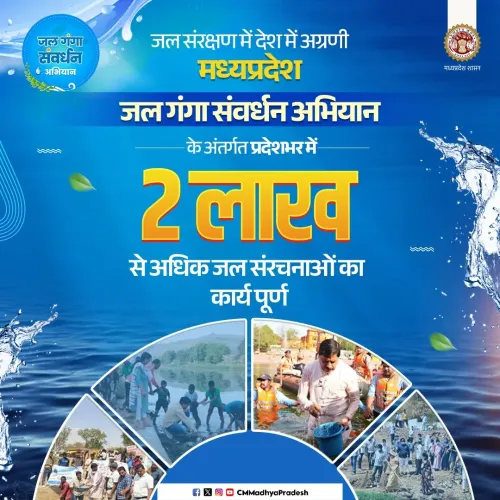
Chief Minister Dr. Mohan Yadav announced that Madhya Pradesh will hold simultaneous shramdaan at water sources statewide on Ganga Dashami under the Jal Ganga Sanvardhan Abhiyan, calling the state the country's foremost in water conservation.
Key Takeaways
Mohan Yadav declared Madhya Pradesh the leading state in India for water conservation efforts.
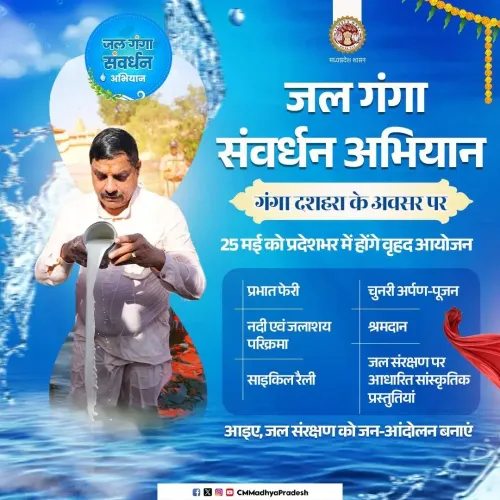
Simultaneous shramdaan (community labour) will be conducted at water sources across all districts of the state on Ganga Dashami .
The drive is organised under the Jal Ganga Sanvardhan Abhiyan , the state's flagship water-source protection campaign.
Ganga Dashami is an annual Hindu observance tied to river reverence, chosen to maximise public participation.
The campaign aligns with the national Namami Gange programme , which has engaged basin states including Madhya Pradesh since 2014–15 .
Key beneficiaries include rural communities and farmers dependent on the state's river systems and groundwater.
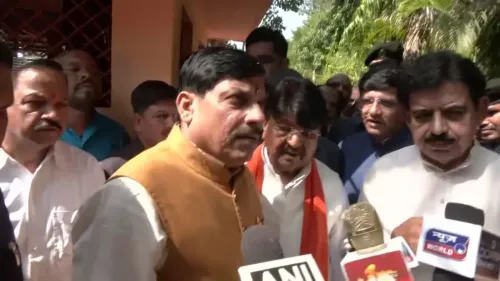
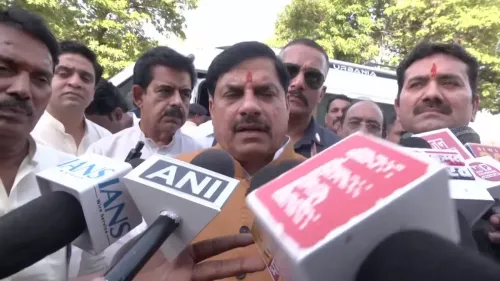
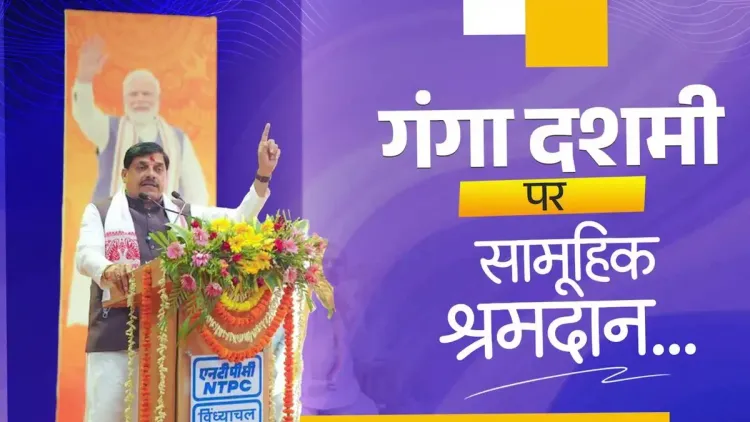
The Chief Minister's Office of Madhya Pradesh announced on Saturday, 23 May 2026 that the state will conduct simultaneous community labour drives (shramdaan) at water sources across all districts on the occasion of Ganga Dashami, under the ongoing Jal Ganga Sanvardhan Abhiyan. Chief Minister Dr. Mohan Yadav declared that Madhya Pradesh is the foremost state in the country working towards water conservation.
Context
In the post, CM Dr. Mohan Yadav stated: 'मध्यप्रदेश जल संरक्षण की दिशा में कार्य करने वाला सबसे अग्रणी राज्य है' — 'Madhya Pradesh is the most pioneering state working in the direction of water conservation.' He added that under the Jal Ganga Sanvardhan Abhiyan, on the auspicious occasion of Ganga Dashami, shramdaan will be carried out simultaneously at water sources across the entire state. The announcement signals a large-scale, coordinated mobilisation of citizens and administration at the district level.
Ganga Dashami is an annual Hindu observance marking the mythological descent of the Ganges to earth. It is traditionally observed with rituals at rivers and water bodies, making it a culturally resonant occasion for state-led conservation drives that seek broad public participation.
Policy Backdrop
The Jal Ganga Sanvardhan Abhiyan is a Madhya Pradesh government campaign centred on water-source protection, community participation, and river conservation. The campaign aligns with the national Namami Gange programme, launched in 2014–15, which called on Ganga basin states — including Madhya Pradesh — to rejuvenate the river and its tributaries through coordinated administrative and community action.
Indian states have increasingly used religious festivals as anchors for large-scale shramdaan and public mobilisation around water bodies. This approach combines administrative directives with cultural observances to deepen citizen engagement in groundwater recharge and source protection — a strategy that Madhya Pradesh has positioned as a model within national frameworks such as the National Water Mission.
Stakeholders and Impact
The primary beneficiaries of sustained water-source restoration are rural communities and farmers across Madhya Pradesh, a state with extensive river systems and significant dependence on seasonal rainfall and groundwater for agriculture. Simultaneous shramdaan across all districts implies coordinated participation from local government bodies, village panchayats, and voluntary groups.
By anchoring the drive to Ganga Dashami, the administration draws on an established cultural tradition to encourage voluntary labour — a model that reduces the cost of mobilisation while potentially increasing community ownership of water infrastructure maintained through the exercise.
What's Next
Attention will now turn to district-level reporting on the scale of participation on Ganga Dashami and any follow-up announcements regarding maintenance plans or budget allocations under the Jal Ganga Sanvardhan Abhiyan. The success of the statewide shramdaan will likely be assessed by the number of water sources covered and the volume of community participation recorded across Madhya Pradesh's administrative divisions.
If the drive achieves significant reach, it could strengthen the state's case for recognition within national water-conservation rankings and inform similar festival-linked conservation campaigns in subsequent years.
Point of View
The Madhya Pradesh government lends moral and religious weight to what is essentially a public-works exercise, making it harder for citizens to disengage. This fits a broader pattern across BJP-governed states of aligning environmental campaigns with Hindu observances to reinforce both governance optics and cultural identity. The real test will be whether the shramdaan translates into durable water-source maintenance or remains a one-day symbolic event ahead of the monsoon season.
NationPress
7 Oct 2026
Frequently Asked Questions
What is the Jal Ganga Sanvardhan Abhiyan in Madhya Pradesh?
The Jal Ganga Sanvardhan Abhiyan is a Madhya Pradesh government campaign focused on protecting water sources, encouraging community participation, and conserving rivers. It aligns with the national Namami Gange programme and uses events like Ganga Dashami to mobilise citizens for shramdaan at water bodies across the state.
What is shramdaan and why is it being done on Ganga Dashami?
Shramdaan means voluntary community labour — citizens contributing physical work rather than money towards a public cause. The Madhya Pradesh government has chosen Ganga Dashami, a Hindu observance marking the descent of the Ganges, to maximise public participation by linking the conservation drive to a culturally significant occasion.
What did CM Mohan Yadav say about Madhya Pradesh and water conservation?
CM Dr. Mohan Yadav stated that Madhya Pradesh is the most pioneering state in India working towards water conservation. He announced that simultaneous shramdaan will be held at water sources across all districts of the state on Ganga Dashami under the Jal Ganga Sanvardhan Abhiyan.
What is Ganga Dashami and when does it occur?
Ganga Dashami is an annual Hindu religious observance that commemorates the mythological descent of the river Ganges to earth. It is traditionally marked by rituals at rivers and water bodies, and in 2026 the Madhya Pradesh government has anchored its statewide water conservation shramdaan to this occasion.
How does Madhya Pradesh's water campaign connect to the national Namami Gange programme?
The Namami Gange programme, launched in 2014–15, called on Ganga basin states including Madhya Pradesh to rejuvenate the river and its tributaries. The state's Jal Ganga Sanvardhan Abhiyan operates within this national framework, with community-led shramdaan drives serving as a grassroots complement to the broader river-rejuvenation effort.