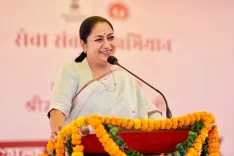
CM Mohan Yadav's Jal Ganga Sanvardhan Abhiyan Revives MP Water Bodies
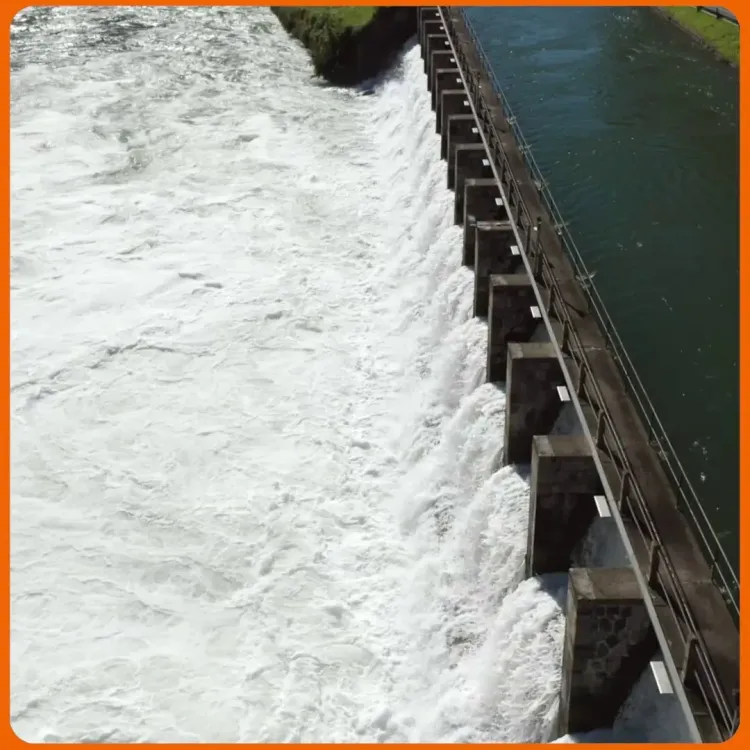
Synopsis
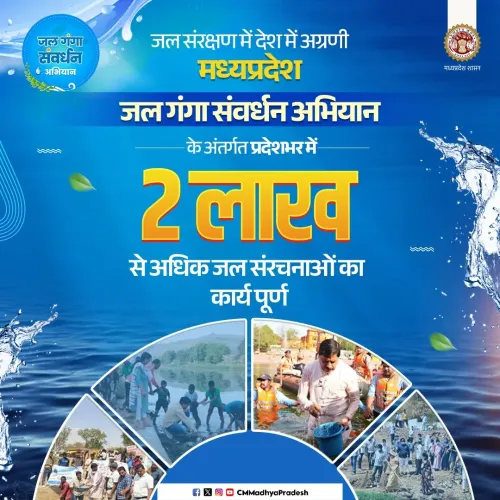
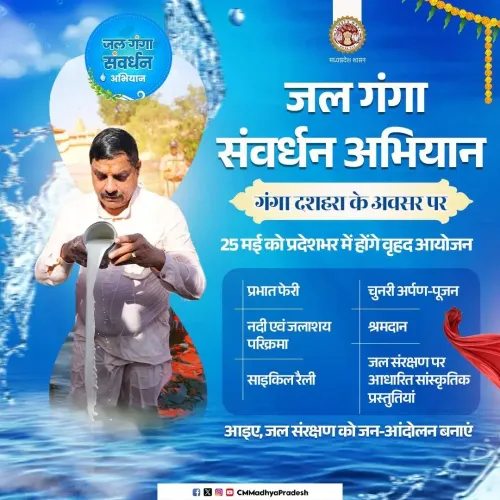
The Chief Minister's Office of Madhya Pradesh has spotlighted the Jal Ganga Sanvardhan Abhiyan, a state campaign reviving traditional water structures. The update, tagged to CM Dr. Mohan Yadav and the Public Health Engineering Department, signals continued political priority on water conservation for farmers and rural households.
Key Takeaways
The Chief Minister's Office of Madhya Pradesh posted an update on the Jal Ganga Sanvardhan Abhiyan on 28 May 2026 .
The campaign focuses on reviving traditional water structures such as ponds and tanks across Madhya Pradesh .
The post tagged Chief Minister Dr.
Mohan Yadav and the state Public Health Engineering Department .
The abhiyan aligns with the national Jal Jeevan Mission launched in 2019 and broader river basin management guidelines.
Primary beneficiaries include farmers and rural households dependent on local water bodies for irrigation and drinking water.
Periodic government reports on structures revived and changes in local water tables are expected as the campaign progresses.
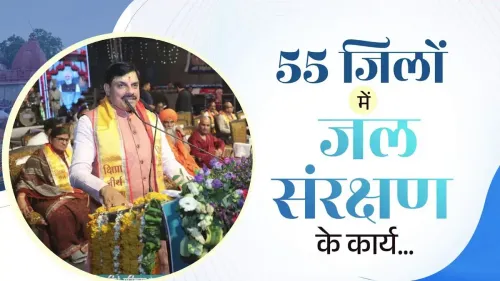
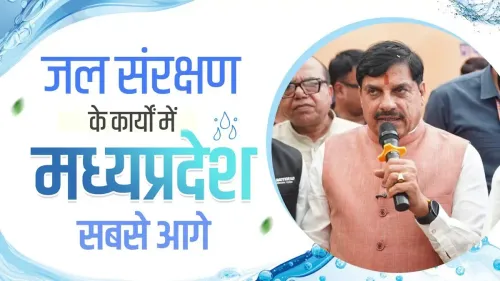
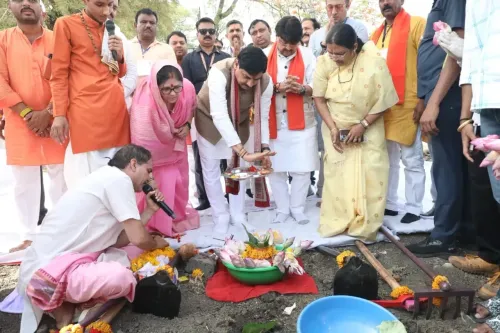
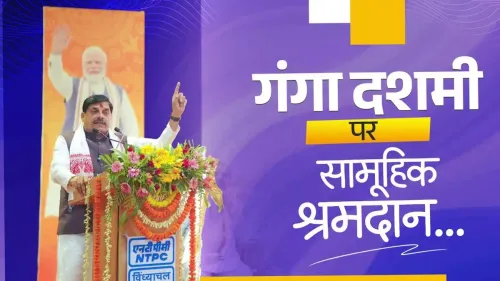
The Chief Minister's Office of Madhya Pradesh highlighted ongoing water conservation efforts under the Jal Ganga Sanvardhan Abhiyan on 28 May 2026, sharing that water structures across the state are being revived through sustained conservation work.
The post, attributed to the office of Chief Minister Dr. Mohan Yadav, stated in Hindi: 'जल संरक्षण की दिशा में किए जा रहे कार्यों से जल संरचनाओं को मिल रहा पुनर्जीवन' — meaning, 'water structures are receiving renewed life through works being carried out in the direction of water conservation.' The update was accompanied by a video and tagged the Public Health Engineering Department (PHED) of Madhya Pradesh.
Context
The Jal Ganga Sanvardhan Abhiyan is a Madhya Pradesh state campaign centred on the conservation and revival of traditional water bodies, including ponds, tanks, and other local water structures. Madhya Pradesh is home to extensive river networks, including the Narmada and its tributaries, making water body management a persistent governance priority. Seasonal water scarcity and groundwater stress have historically affected both farming communities and rural households across the state. The campaign's name — which translates broadly as 'Water-Ganga Conservation Drive' — reflects the cultural and ecological significance attached to river and water body stewardship in the region. The involvement of the PHED, tagged as @minprdd in the post, signals institutional coordination between the Chief Minister's Office and the department responsible for rural water supply and sanitation.Policy Backdrop
The abhiyan aligns with the national Jal Jeevan Mission, launched in 2019, which expanded rural water access and encouraged parallel state-level conservation initiatives. Madhya Pradesh's effort fits into a broader pattern of Indian states undertaking pond and tank rejuvenation programmes to address groundwater depletion and improve irrigation resilience. Such drives typically combine public works employment with community participation, and are expected to align with central guidelines on rainwater harvesting and river basin management. The state's geographic position at the heart of the Deccan watershed makes the restoration of local water infrastructure directly relevant to agricultural productivity and drinking water security.Stakeholders and Impact
The primary beneficiaries of the Jal Ganga Sanvardhan Abhiyan are farmers and rural households who depend on local water bodies for irrigation and daily use. Revival of traditional water structures can reduce dependence on groundwater extraction, replenish local water tables, and improve water availability during dry seasons. By tagging Dr. Mohan Yadav and the PHED directly, the Chief Minister's Office underscores that the campaign is being driven at the highest level of state administration. Community-level participation in desilting and restoration work is a common feature of such campaigns, linking livelihoods with conservation outcomes.What's Next
The government is expected to release periodic updates on the number of water structures revived and the geographic spread of the campaign across Madhya Pradesh's districts. Independent assessments of changes in local water tables and irrigation coverage will be closely watched as indicators of the abhiyan's on-ground impact. Sustained political visibility — as demonstrated by this latest update from the Chief Minister's Office — suggests the campaign will remain a flagship conservation initiative for the Yadav administration through the current season.Point of View
The government is building a visible accountability trail ahead of potential assessments of rural water access. The broader significance lies in whether these revival efforts translate into measurable groundwater recharge and reduced seasonal distress for farming communities in central India.
NationPress
24 Sept 2026
Frequently Asked Questions
What is the Jal Ganga Sanvardhan Abhiyan in Madhya Pradesh?
The Jal Ganga Sanvardhan Abhiyan is a Madhya Pradesh state campaign focused on conserving and reviving traditional water bodies such as ponds and tanks to address groundwater stress and seasonal water scarcity.
Who is leading the Jal Ganga Sanvardhan Abhiyan?
The campaign is being driven by the Chief Minister's Office under Chief Minister Dr. Mohan Yadav, with institutional support from the state's Public Health Engineering Department.
How does the Jal Ganga Sanvardhan Abhiyan relate to the Jal Jeevan Mission?
The state abhiyan aligns with the national Jal Jeevan Mission launched in 2019, which expanded rural water access and encouraged state-level conservation drives, including pond and tank rejuvenation programmes.
Who benefits from the Jal Ganga Sanvardhan Abhiyan?
The primary beneficiaries are farmers and rural households in Madhya Pradesh who depend on local water bodies for irrigation and drinking water, particularly during dry seasons.
What water structures are being revived under the Jal Ganga Sanvardhan Abhiyan?
The campaign targets traditional water structures including ponds, tanks, and other local water bodies, with the aim of restoring their capacity and improving local water table levels.