CM Mohan Yadav: Jal Ganga Abhiyan covers all 55 MP districts
Synopsis
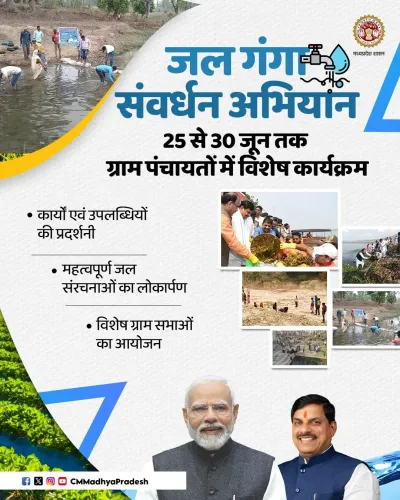
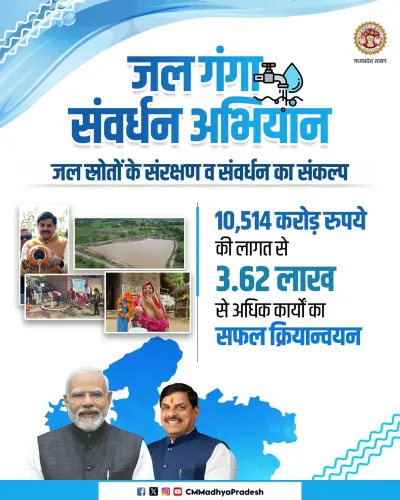
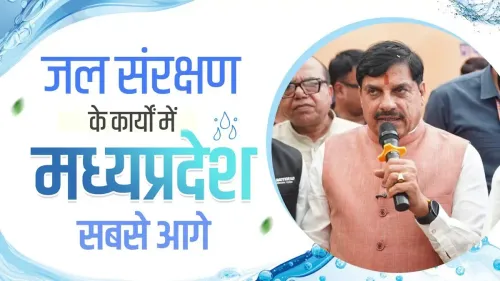
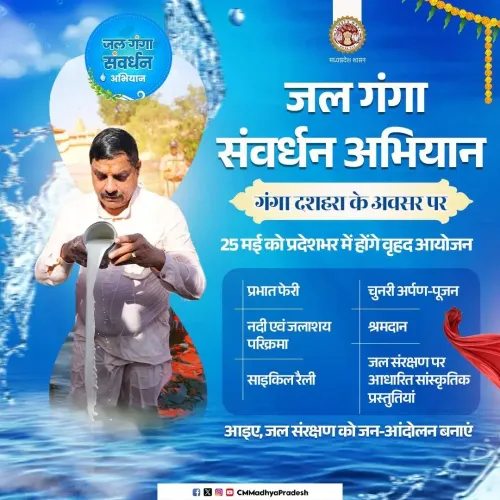
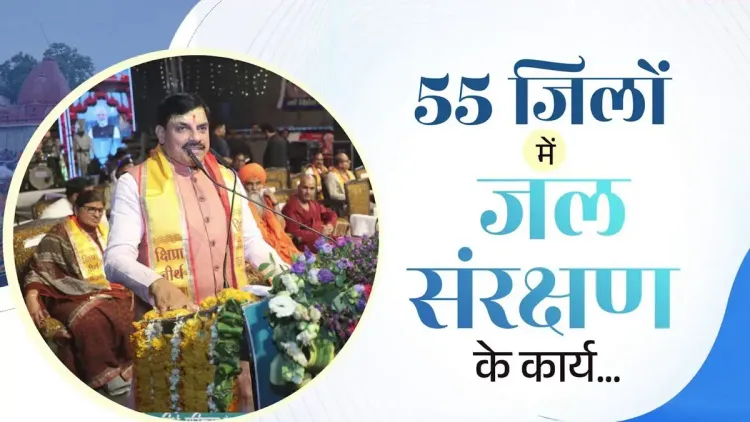
Chief Minister Dr. Mohan Yadav says the Jal Ganga Sanvardhan Abhiyan is now active across all 55 districts of Madhya Pradesh, carrying out large-scale water and water-structure conservation through community participation, building on national frameworks like Jal Shakti Abhiyan and Jal Jeevan Mission.
Key Takeaways
The Jal Ganga Sanvardhan Abhiyan is running simultaneously across all 55 districts of Madhya Pradesh as of May 2026 .
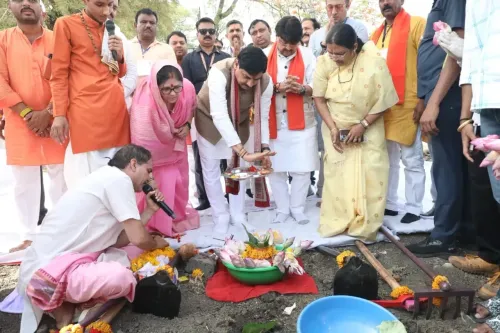
The campaign focuses on conservation of water bodies and water structures ( jal evam jal sanrachnaon ka sanrakshan ) through public participation.
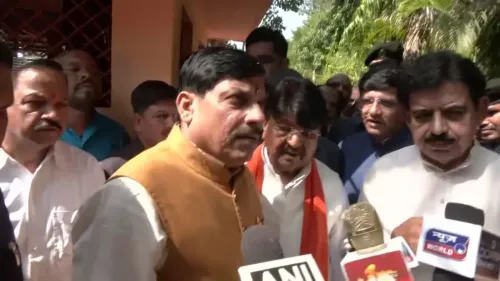
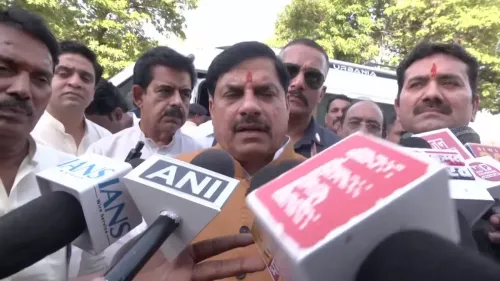
Mohan Yadav personally highlighted the drive, with Ujjain specifically cited as one of the active locations.
The initiative builds on national schemes including the Jal Shakti Abhiyan (2019) , Namami Gange , and Jal Jeevan Mission .
Rural communities and farmers are the primary beneficiaries, with pre-monsoon water-structure work aimed at improving irrigation and groundwater recharge.
The Chief Minister's Office of Madhya Pradesh announced on Tuesday, 26 May 2026 that the Jal Ganga Sanvardhan Abhiyan is now actively underway across all 55 districts of the state, with large-scale water and water-structure conservation works being carried out through public participation.
Context
Chief Minister Dr. Mohan Yadav stated, in the original post, that under the Jal Ganga Sanvardhan Abhiyan (Water-Ganga Conservation Campaign), comprehensive conservation of water bodies and water structures is being undertaken across Madhya Pradesh with jansahbhagita — meaning community participation. The reference to Ujjain, one of the state's historically significant districts, signals that the campaign is active in heritage and pilgrimage towns as much as in agricultural heartlands.
Policy Backdrop
The Jal Ganga Sanvardhan Abhiyan is a state-level initiative that builds on a layered national policy architecture. The central government's Jal Shakti Abhiyan, launched in 2019, pushed states to prioritise water conservation and rainwater harvesting, with Madhya Pradesh among active participants. The state also joined the Namami Gange programme from 2014 onward, which targeted the rejuvenation of Ganga tributaries and associated water infrastructure.
More recent frameworks — the Jal Jeevan Mission and Atal Bhujal Yojana — have further embedded district-level groundwater and surface-water management into state planning cycles. The Jal Ganga Sanvardhan Abhiyan represents Madhya Pradesh's attempt to consolidate these threads into a single, uniform, district-wide drive rather than scattered pilot projects.
Stakeholders and Impact
Rural communities and farmers across Madhya Pradesh are the primary stakeholders. Water-structure conservation — covering ponds, check-dams, stepwells, and river-bank works — directly affects irrigation availability ahead of the kharif sowing season and long-term groundwater recharge. The emphasis on jansahbhagita (public participation) indicates the campaign relies on local labour, community oversight, and awareness drives alongside government machinery, a model that has shown stronger maintenance outcomes in comparable state-level drives.
Urban and semi-urban districts, including pilgrimage cities such as Ujjain, benefit through the conservation of historically significant water bodies that also serve civic and religious functions. The statewide scale — all 55 districts simultaneously — signals a move away from selective rollout toward uniform implementation.
What's Next
District-level progress reports will be a key metric to watch, particularly as the state enters the 2026 monsoon season, when the effectiveness of pre-monsoon water-structure work becomes measurable through groundwater levels and reservoir storage. Integration with the 2026-27 state budget and monsoon preparedness reviews will indicate how institutionalised the campaign becomes beyond its current mobilisation phase. Sustained community engagement after the campaign's active phase will determine whether water structures receive the maintenance needed to deliver long-term benefits.
Point of View
Institutionalised conservation framework — a political and administrative statement ahead of the monsoon season. By invoking community participation, the campaign aligns with a broader BJP-governed-state pattern of co-opting central scheme language while branding delivery as state-led. The mention of Ujjain — a city of deep religious significance — subtly connects water conservation to cultural identity, which carries resonance in the state's political landscape. Whether the campaign translates into measurable groundwater and reservoir outcomes will determine its legacy beyond the mobilisation phase.
NationPress
23 Sept 2026
Frequently Asked Questions
What is the Jal Ganga Sanvardhan Abhiyan in Madhya Pradesh?
The Jal Ganga Sanvardhan Abhiyan is a Madhya Pradesh government initiative to conserve water bodies and water structures across the state through community participation, active across all 55 districts as of May 2026.
How many districts are covered under the Jal Ganga Sanvardhan Abhiyan?
All 55 districts of Madhya Pradesh are covered under the Jal Ganga Sanvardhan Abhiyan, as confirmed by Chief Minister Dr. Mohan Yadav in May 2026.
What national schemes is the Jal Ganga Sanvardhan Abhiyan linked to?
The campaign builds on national frameworks including the Jal Shakti Abhiyan (2019), the Namami Gange programme, the Jal Jeevan Mission, and the Atal Bhujal Yojana.
Who is overseeing the Jal Ganga Sanvardhan Abhiyan?
Chief Minister Dr. Mohan Yadav, who has led Madhya Pradesh since December 2023, is overseeing the campaign, with implementation through district administrations and community participation.
What is the role of public participation in the Jal Ganga Sanvardhan Abhiyan?
Public participation, referred to as 'jansahbhagita' in the official communication, is central to the campaign — involving local communities in conservation works, oversight, and awareness drives alongside government machinery.