MP CM Office Highlights Jal Ganga Sanvardhan Abhiyan in Dhar
Synopsis
The Chief Minister's Office of Madhya Pradesh highlighted the Jal Ganga Sanvardhan Abhiyan in Dhar district on 25 May 2026, spotlighting the state's drive to conserve water, recharge groundwater, and rejuvenate Ganga tributaries ahead of the monsoon season.
Key Takeaways
The Chief Minister's Office of Madhya Pradesh posted an update on 25 May 2026 about the Jal Ganga Sanvardhan Abhiyan .
The campaign focuses on water conservation, river rejuvenation, and groundwater recharge in Ganga basin tributaries across the state.
Dhar district in western Madhya Pradesh — home to a large tribal population — is a highlighted area of activity.
The initiative aligns with the national Namami Gange programme (launched 2014 ) and the Jal Shakti Abhiyan (from 2019 ).
Primary beneficiaries are farmers and rural households dependent on rain-fed agriculture and local river systems.
District-level progress reports and integration with state budget allocations for water resources are being watched as next steps.
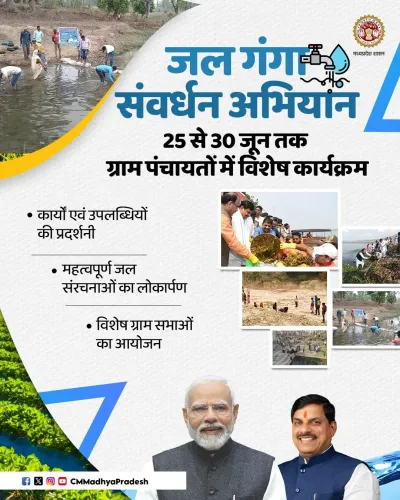
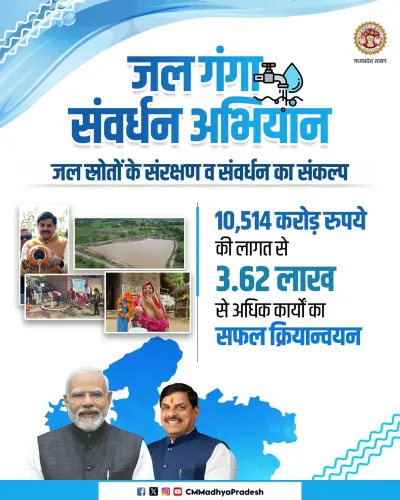
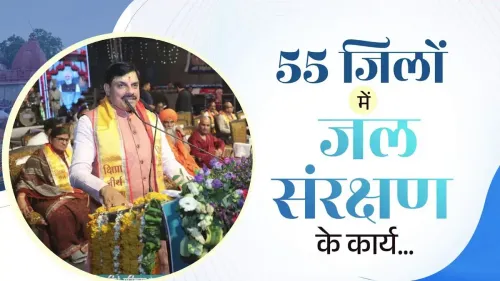
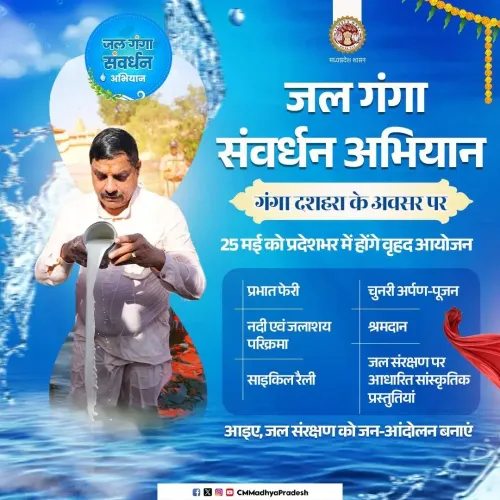
The Chief Minister's Office of Madhya Pradesh shared an update on Monday, 25 May 2026 highlighting activity under the Jal Ganga Sanvardhan Abhiyan in Dhar district, drawing attention to the state's ongoing water conservation drive focused on Ganga basin tributaries.
Context
The Jal Ganga Sanvardhan Abhiyan (Jal Ganga Sanvardhan Abhiyan — 'Water-Ganga Conservation Campaign') is a Madhya Pradesh state initiative aimed at rejuvenating rivers, recharging groundwater, and conserving water resources across districts that drain into the Ganga river system. Dhar, a district in western Madhya Pradesh with a significant tribal population, depends heavily on rain-fed agriculture and local river systems, making it a focal area for such campaigns.
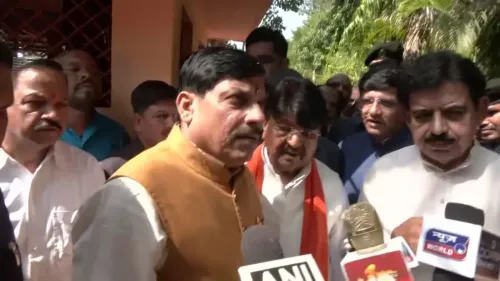
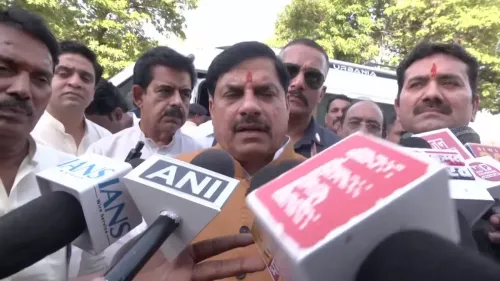
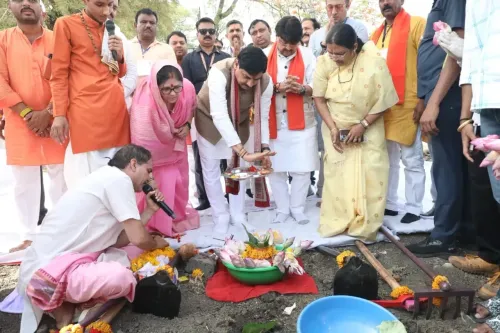
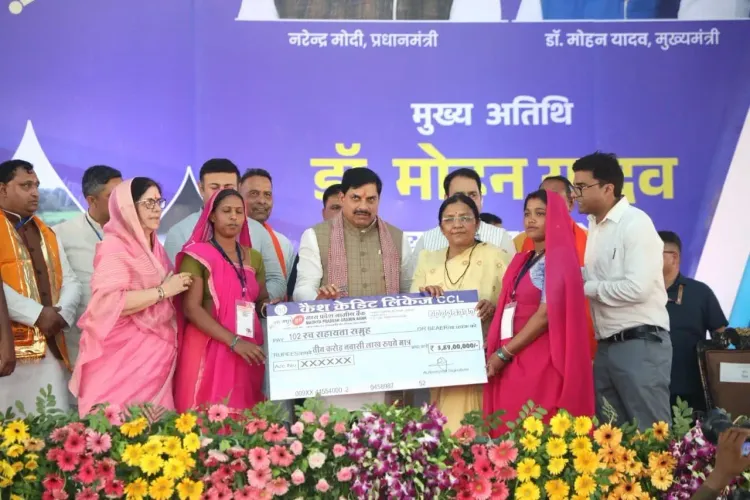
The post, shared from the official @CMMadhyaPradesh handle, was accompanied by two images documenting activity on the ground, underscoring the state government's effort to communicate field-level progress directly to citizens.
Policy Backdrop
The campaign draws its lineage from the Namami Gange programme, launched by the Government of India in 2014, which mandated conservation of the Ganga and its tributaries across basin states. Madhya Pradesh sits at the headwaters of several key tributaries — including the Chambal, Betwa, and Shipra — making its watershed health critical to the broader national river-conservation goal.
Since 2019, the state has also aligned its efforts with the central Jal Shakti Abhiyan, which emphasises construction of check dams, afforestation, and desilting of community tanks. Successive administrations in Bhopal have combined central funding with local public-works programmes to address recurrent drought pockets in western Madhya Pradesh and the Bundelkhand region.
Stakeholders and Impact
Farmers and rural households in Dhar and neighbouring districts are the primary beneficiaries of water-conservation structures built under campaigns such as this. Improved groundwater recharge directly extends the irrigation window for rain-dependent smallholders, while river rejuvenation efforts help sustain drinking-water sources for villages along the basin.
The tribal communities of Dhar — one of the state's scheduled-tribe-majority districts — are particularly exposed to climate variability, and district-level water works under the Abhiyan are intended to reduce that vulnerability. Community participation in watershed development has been a stated pillar of the campaign's design.
What's Next
Attention will now turn to district-level progress reports detailing the number and type of structures created under the Jal Ganga Sanvardhan Abhiyan across Madhya Pradesh. Analysts and civil-society groups tracking water governance will watch whether the campaign's outcomes are integrated into upcoming state budget allocations for water resources.
With pre-monsoon groundwater stress already visible in several western districts, the pace of completion of conservation works before the 2026 kharif season will be a key indicator of the programme's on-ground effectiveness.
Point of View
And visible water-works activity ahead of the monsoon carries both administrative and electoral resonance. The campaign also positions the state as a proactive partner in the national Namami Gange architecture, potentially strengthening its case for continued central funding. Whether the communication translates into measurable hydrological outcomes will depend on the scale and quality of structures completed before the 2026 kharif season.
NationPress
10 Oct 2026
Frequently Asked Questions
What is the Jal Ganga Sanvardhan Abhiyan in Madhya Pradesh?
The Jal Ganga Sanvardhan Abhiyan is a Madhya Pradesh state campaign for water conservation, river rejuvenation, and groundwater recharge, focused on districts whose rivers drain into the Ganga basin. It aligns with the national Namami Gange programme and the Jal Shakti Abhiyan.
Why is Dhar district important for water conservation in MP?
Dhar is a district in western Madhya Pradesh with a significant tribal population that depends heavily on rain-fed agriculture and local rivers. It is vulnerable to drought and groundwater decline, making it a priority area for water conservation works.
How does Madhya Pradesh connect to the Ganga river system?
Madhya Pradesh is the source of several key Ganga tributaries, including the Chambal, Betwa, and Shipra rivers. Watershed conservation in the state directly affects the health and flow of the broader Ganga river system downstream.
What is the Namami Gange programme?
Namami Gange is a Government of India flagship programme launched in 2014 for the conservation, rejuvenation, and management of the Ganga river and its tributaries. Basin states like Madhya Pradesh implement aligned campaigns with central funding support.
Who benefits from the Jal Ganga Sanvardhan Abhiyan?
The primary beneficiaries are farmers and rural households in Ganga-basin districts of Madhya Pradesh. Improved groundwater recharge extends the irrigation window for smallholders, while river rejuvenation sustains drinking-water sources for villages.