Red Fort bomb threat declared hoax after full security sweep in Delhi
Synopsis
A phone call threatening to blow up Delhi's Red Fort sent police and bomb disposal squads scrambling on Saturday — only for a full sweep to confirm the threat was a hoax. The incident lands against an already tense backdrop: a real IED blast near the Red Fort Metro Station months ago and a nine-man ISI-linked terror plot busted in May, making every threat to the monument impossible to dismiss.
Key Takeaways
Delhi Police declared a bomb threat against the Red Fort a hoax on 11 July after an extensive security sweep found no explosive material.
The threat originated from a phone call to the Mumbai Police Control Room , which was relayed to Delhi Police .
Bomb disposal squads and security teams conducted a full sanitisation of the monument before issuing the all-clear.
An investigation has been launched to trace the caller; legal action is expected against those responsible.
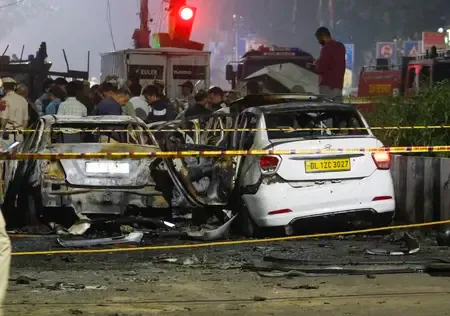
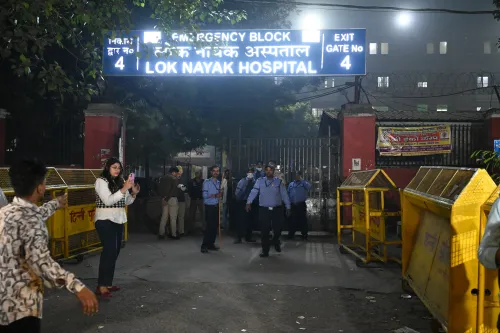
The incident follows a real IED blast near the Red Fort Metro Station in which several people were killed and over a dozen injured, with Umar-un-Nabi identified as the driver.
In May , Delhi Police's Special Cell arrested nine men allegedly linked to Pakistan's ISI and Dawood Ibrahim over a plot targeting key national installations.
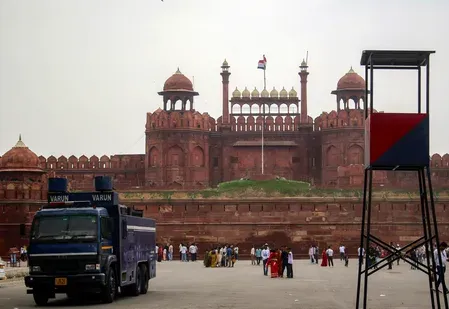
Delhi Police on Saturday, 11 July declared a bomb threat against the historic Red Fort in New Delhi a hoax, following an extensive sanitisation operation involving police personnel, bomb disposal squads, and multiple security agencies. No explosive material or suspicious object was found on the premises.
How the Threat Unfolded
According to Delhi Police, the threat originated from a phone call placed to the Mumbai Police Control Room, in which the caller allegedly claimed the Red Fort would be blown up. Mumbai Police immediately relayed the information to the Delhi Police Control Room, which in turn alerted the North District Police to initiate emergency security measures.
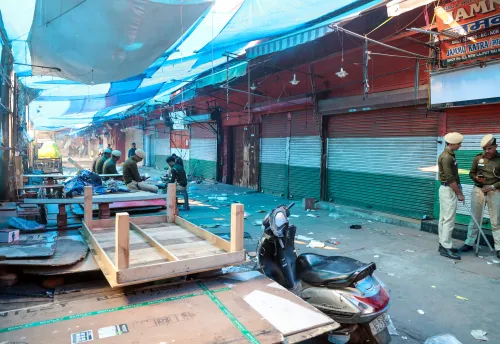
Security teams rushed to the monument and conducted a thorough sweep of the entire premises. After completing the inspection, officials confirmed no threat existed and declared the call a hoax.
Investigation Underway
Authorities are now working to trace the caller and establish the motive behind the false alarm. An investigation has been launched, and legal action is expected against those found responsible. Hoax bomb threats to high-security national monuments are treated as serious offences under Indian law.
Context: A Monument Under Recurring Threat
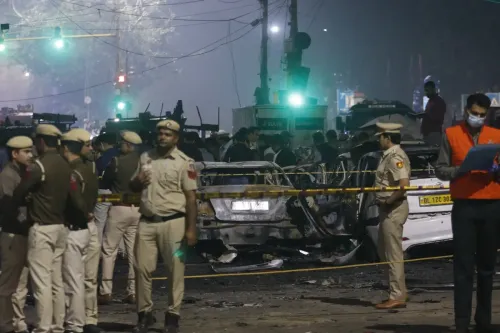
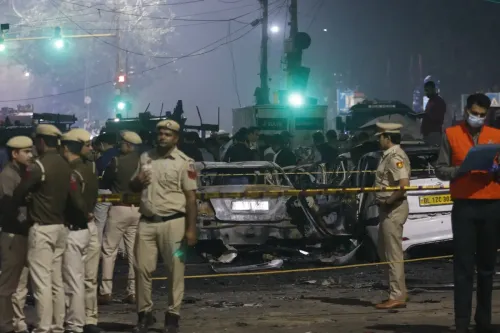
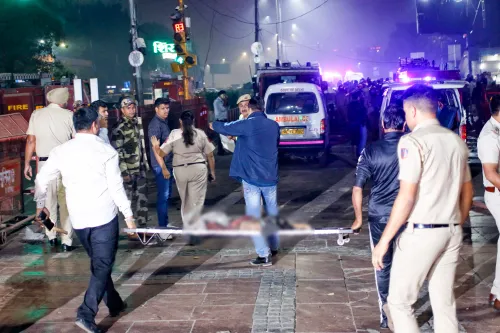
This incident comes months after a high-intensity vehicle-borne Improvised Explosive Device (IED) blast near the Red Fort Metro Station that claimed several lives and left more than a dozen people injured. Investigators identified the driver of the explosive-laden Hyundai i20 as Umar-un-Nabi, a Kashmiri doctor reportedly employed at Al-Falah University in Faridabad.
That explosion occurred on the same day that security agencies recovered approximately 2,900 kg of explosives, including ammonium nitrate, from a site in Faridabad, Haryana, roughly 50 km from the national capital. Investigators reportedly suspected the accused detonated the vehicle after two alleged associates — Dr. Muzammil Shakeel and Dr. Adil Rather — were arrested and the explosives seized.
Broader Security Backdrop
In a separate counter-terror operation in May, Delhi Police's Special Cell arrested nine men allegedly linked to Pakistan's Inter-Services Intelligence (ISI) and fugitive gangster Dawood Ibrahim. According to investigators, the accused were allegedly planning attacks on key installations including airports, railway stations, power plants, nuclear facilities, and security personnel.
Taken together, the incidents underscore the sustained pressure on security agencies to protect the capital's most symbolically significant sites. With the investigation into Saturday's hoax call now active, authorities are expected to pursue the matter swiftly to deter future false alarms.
Point of View
Even as agencies are simultaneously managing the fallout of a real IED attack near the same site and a multi-city ISI-linked conspiracy. The investigation into the caller's identity matters less than the systemic question: why does a single anonymous phone call still have the power to lock down a national monument?
NationPress
11 Jul 2026
Frequently Asked Questions
Was the Red Fort bomb threat on 11 July real?
No. Delhi Police declared the bomb threat a hoax after bomb disposal squads and security teams conducted a thorough sweep of the Red Fort and found no explosive material or suspicious object.
How did the Red Fort bomb threat originate?
According to Delhi Police, an unidentified caller phoned the Mumbai Police Control Room and allegedly claimed the Red Fort would be blown up. Mumbai Police relayed the information to Delhi Police, which dispatched security teams to the monument.
What action is being taken against the caller?
An investigation has been launched to trace the caller and determine the motive. Legal action is expected against those found responsible for making the false threat.
What was the IED blast near Red Fort Metro Station?
Months before this hoax call, a vehicle-borne IED exploded near the Red Fort Metro Station, killing several people and injuring more than a dozen. Investigators identified the driver of the explosive-laden Hyundai i20 as Umar-un-Nabi, a Kashmiri doctor reportedly employed at Al-Falah University in Faridabad.
What was the ISI-linked terror plot busted near Delhi in May?
In May, Delhi Police's Special Cell arrested nine men allegedly linked to Pakistan's Inter-Services Intelligence (ISI) and fugitive gangster Dawood Ibrahim. According to investigators, the accused were allegedly planning attacks on airports, railway stations, power plants, nuclear facilities, and security personnel.