FIFA WC 2026: Fowler backs Argentina to break Switzerland in quarter-final
Synopsis
Robbie Fowler's verdict cuts to the heart of Argentina's danger at FIFA World Cup 2026 — it's not Messi alone, it's the entire system. His warning to Switzerland: defend for 90 minutes and Argentina will find a way through. Meanwhile, he gives England the midfield edge over Norway, with the Kane-Bellingham axis and Declan Rice's defensive discipline cited as potential match-winners.
Key Takeaways
Robbie Fowler backed Argentina to advance past Switzerland in the FIFA World Cup 2026 quarter-finals.
Fowler warned that focusing solely on Messi or Alvarez leaves teams exposed to Enzo Fernandez and others.
He urged Switzerland to be proactive, saying a purely defensive approach will not be enough to hold Argentina.
Fowler gave England the midfield edge over Norway , highlighting Declan Rice , Jude Bellingham , and Elliot Anderson .
The Kane-Bellingham combination — with Kane dropping deep to create space — was identified as a key weapon against Norway.
Fowler cited the performances of Haiti and the Democratic Republic of Congo as the tournament's biggest highlight.
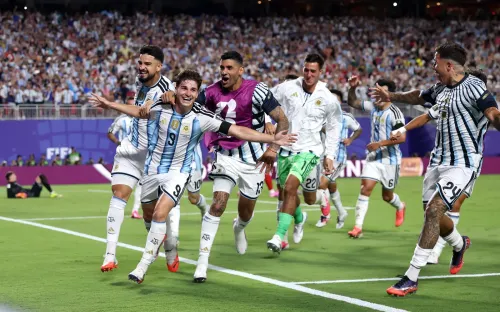
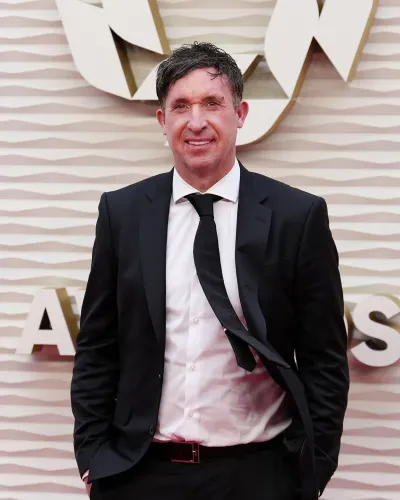
Former England striker Robbie Fowler has backed defending champions Argentina to find a way past a disciplined Switzerland side in the FIFA World Cup 2026 quarter-finals, warning that no single-player defensive focus will be enough to stop the South Americans. Fowler, speaking as part of the Zee5 FIFA World Cup 2026 expert panel, made his assessment ahead of a high-stakes last-eight tie that will determine one of the four semi-final berths.
Why Argentina Are So Hard to Stop
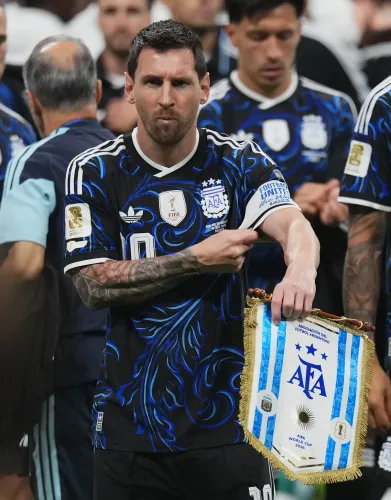
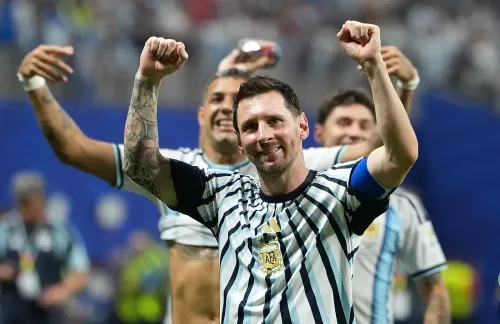
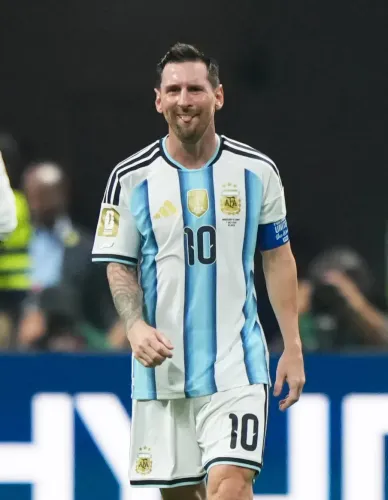
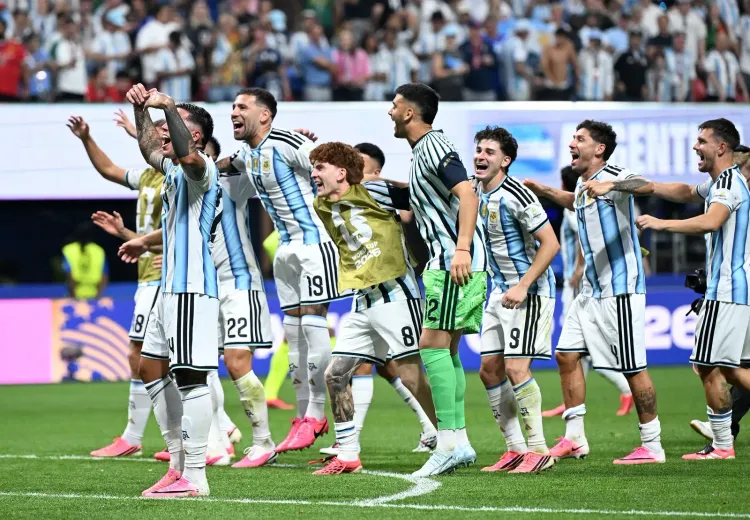
Fowler was emphatic that Argentina's danger is collective, not individual — even with Lionel Messi on the pitch. 'It's extremely difficult because you're not dealing with just one player. Messi and Alvarez are constantly on the move, so defenders have to stay alert throughout the game. The key isn't focusing on stopping one individual, but having a collective defensive structure. If you concentrate too much on Messi or Alvarez, players like Enzo Fernandez or others can step up and hurt you,' Fowler said.
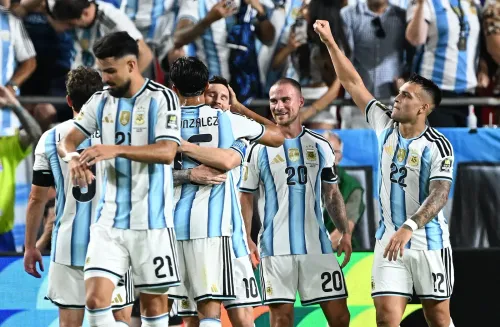
The Liverpool legend elaborated on the tactical mechanics that make Argentina so effective against organised defences. 'Argentina may not always counter at lightning speed, but their quick one-touch passing and clever off-the-ball movement constantly create angles and spaces. Breaking down organised defences requires vision, timing and technical quality, and that's what Argentina do exceptionally well,' he added.
What Switzerland Must Do Differently
Fowler cautioned that a purely defensive approach will ultimately fail against this Argentina side. 'If you simply spend 90 minutes defending, Argentina will eventually find a way through. Switzerland have to remain disciplined, but they also need to recognise the right moments to get on the front foot, play through Argentina's press and put their defence under pressure. Team structure and balance will be far more important than focusing on one individual like Messi,' he said.
This comes amid wider recognition at the tournament that passive defensive strategies have repeatedly been punished by top-tier attacking sides, with Argentina's movement-based system proving particularly difficult to contain.
England vs Norway: Kane, Haaland and the Midfield Edge
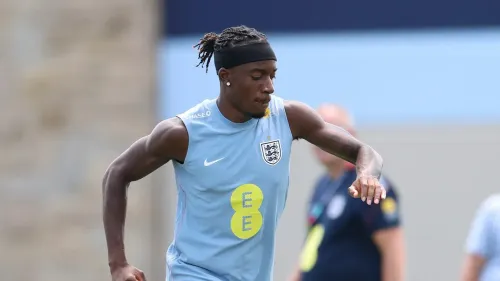
In the other blockbuster quarter-final, England take on Norway, with Harry Kane and Erling Haaland set to headline a compelling duel between two of Europe's most potent attacking sides. Fowler believes England hold an advantage in the engine room. 'On paper, England have the stronger midfield. Declan Rice has been excellent, Elliot Anderson has quietly done his job, and Jude Bellingham has been one of the standout players of the tournament,' he said.
Fowler also highlighted the tactical interplay between Kane and Bellingham as a potential match-winner. 'Kane dropping deep creates space behind the defence, while Bellingham has timed those late runs brilliantly throughout the tournament. That understanding could be one of the key factors in breaking down Norway,' he noted. On Rice, Fowler was equally direct: 'Rice is absolutely vital because he provides stability and allows England's attacking players the freedom to create.'
Containing Haaland the Key Defensive Task
With Erling Haaland posing an ever-present threat, Fowler stressed that England cannot afford individual defensive lapses. 'Ideally, you want to stop the service reaching Haaland, but players of his quality only need one or two opportunities to score. England have to work collectively, limit the supply and stay organised defensively,' he said.
Notably, both Kane and Haaland bring value beyond their goal tallies. 'Haaland and Kane's biggest quality after goalscoring is their presence. They create space for teammates, their movement is among the very best in world football, and they make everyone around them better,' Fowler observed.
Smaller Nations the Surprise Package of 2026
Reflecting on the tournament as a whole, Fowler singled out the performances of football's emerging nations as the defining story of FIFA World Cup 2026. 'The exciting thing for me has been seeing teams like Haiti and the Democratic Republic of Congo come in and compete. It shows that if you're fit and organised, you can compete with anyone. The favourites have still progressed, but not as comfortably as many expected, and that's probably been the most exciting part of the tournament for me,' Fowler concluded.
The quarter-finals are poised to deliver two of the most tactically absorbing matches of the tournament, with both ties likely to be decided by fine margins and collective organisation rather than individual brilliance alone.
Point of View
One of Europe's most disciplined defensive units, can sustain the structural cohesion Fowler demands for a full 90 minutes against a team that creates through movement rather than pace. On the England-Norway tie, Fowler's midfield advantage argument holds, but it understates how little Haaland needs to be involved to change a game. England's defensive record in this tournament will face its sternest test yet, and Rice's ability to screen without overcommitting will be as decisive as anything Bellingham produces going forward.
NationPress
10 Oct 2026
Frequently Asked Questions
What did Robbie Fowler say about Argentina vs Switzerland at FIFA World Cup 2026?
Fowler backed Argentina to eventually break down Switzerland, warning that a purely defensive approach will not hold for 90 minutes. He stressed that Argentina's collective movement, quick passing, and the threat of players like Messi, Alvarez, and Fernandez make them nearly impossible to contain with a single-player focus.
Why does Fowler believe Switzerland cannot just defend against Argentina?
Fowler argued that if Switzerland spend the entire game defending, Argentina's combination of one-touch passing, off-the-ball movement, and multiple attacking threats will eventually create a breakthrough. He said Switzerland must also look for moments to press and attack.
Who does Fowler favour in England vs Norway at the FIFA World Cup 2026 quarter-final?
Fowler indicated England have the edge, citing their stronger midfield — particularly Declan Rice's defensive stability, Jude Bellingham's forward runs, and Elliot Anderson's consistent contribution. He also highlighted the Kane-Bellingham understanding as a potential match-winner.
How does Fowler assess the threat of Erling Haaland to England?
Fowler warned that Haaland only needs one or two opportunities to score, making it critical for England to limit his service collectively rather than rely on individual marking. He stressed that defensive organisation across the team will be more important than any single marker.
What has been Robbie Fowler's biggest highlight of FIFA World Cup 2026?
Fowler said the emergence of smaller football nations — specifically Haiti and the Democratic Republic of Congo — has been the most exciting aspect of the tournament. He noted that while favourites have progressed, they have done so less comfortably than expected, which he sees as a sign of the game's growing global depth.