FIFA World Cup 2026: Brazil, Spain, Argentina chase history for different reasons
Synopsis
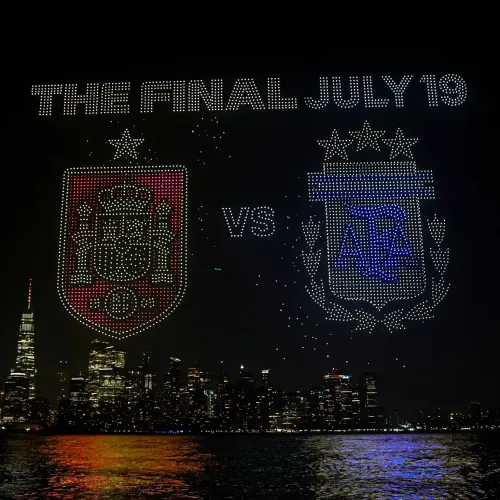
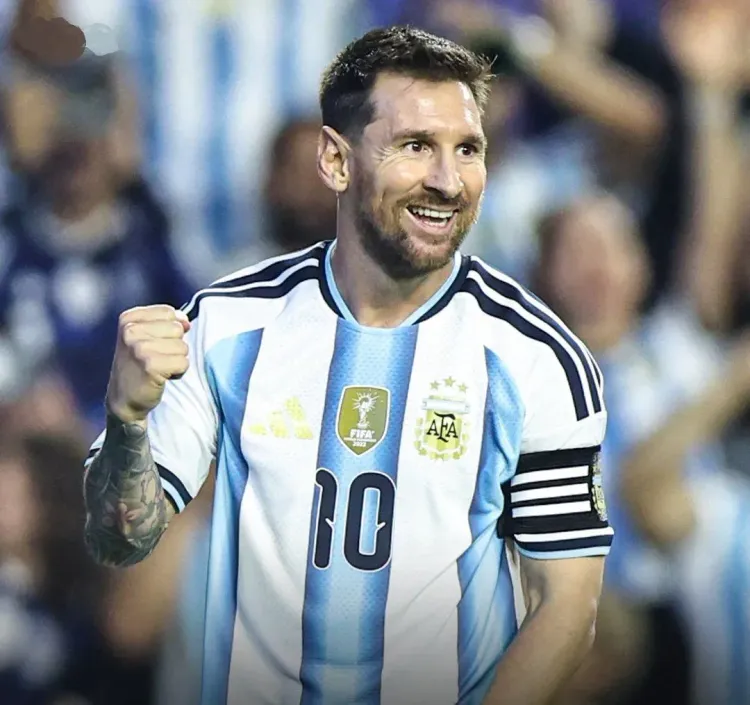
Brazil, Spain, and Argentina each carry a different kind of pressure into the 2026 World Cup. Brazil want to end a two-decade trophy drought. Spain's teen-led side is chasing its first title in 16 years. But Argentina face the rarest challenge in football: defending the World Cup — something no nation has done since 1962. Messi, playing his final tournament, is once again the story.
Key Takeaways
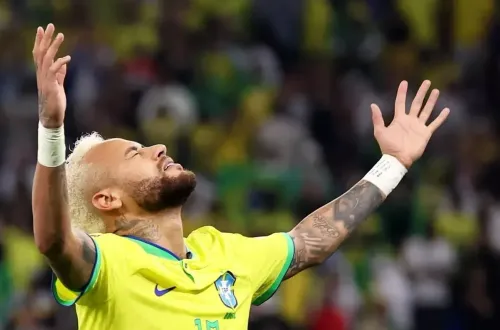
Brazil enter the FIFA World Cup 2026 as the number one ranked side , managed by Carlo Ancelotti , with Neymar Junior , Raphinha , and Vinícius Junior leading the attack.
Spain are unbeaten in competitive football for three years , won the 2024 European Championship , and topped their qualifying group with 21 goals scored and just two conceded .
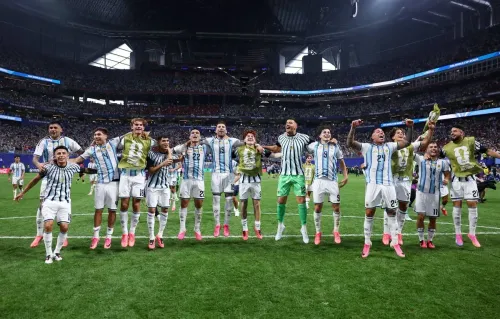
Argentina are attempting to become the first nation to defend the World Cup title since Brazil in 1962 — a span of 64 years .
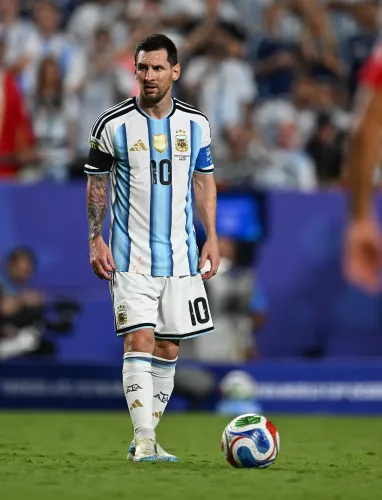
Lionel Messi , who scored seven goals at the 2022 Qatar World Cup , is expected to be playing his last World Cup in 2026.
Every defending champion since Brazil (1962) — including Italy, Spain, Germany, and France — has failed to retain the title.
As the FIFA World Cup 2026 draws near, three of football's most storied nations arrive with contrasting missions but a shared hunger. Brazil and Spain are chasing the ghosts of their greatest eras, while defending champions Argentina are attempting something no nation has managed in 64 years — successfully defending the World Cup title.
Brazil: Talent-Rich, Trophy-Hungry
No country carries the weight of World Cup expectation quite like Brazil. The five-time champions were the undisputed benchmark of international football through much of the late 20th century and early 2000s, reaching three World Cup finals between 1994 and 2006 and claiming two titles in that span.
The years since have been defined by heartbreak. The 7-1 semifinal rout by Germany in 2014 on home soil remains one of football's most shocking results. Quarterfinal exits followed in 2018 and 2022, deepening the sense that individual brilliance has consistently failed to cohere into collective triumph.
Brazil enter the 2026 tournament as the number one ranked side in the FIFA Rankings, managed by the decorated Carlo Ancelotti. The squad features Neymar Junior, Raphinha, and Vinícius Junior — a forward line that, on paper, rivals any in the competition. Whether that quality translates into a sixth world title remains the central question for the Seleção.
Spain: New Generation, Old Ambitions
Spain's rise to dominance was gradual and then total. After decades of underperformance on the global stage, they ushered in one of football's most celebrated dynasties — winning the 2008 and 2012 European Championships either side of their 2010 FIFA World Cup triumph in Johannesburg, South Africa. Their possession-based style redefined how the sport could be played at the highest level.
The decline that followed was steep. A group stage exit in 2014, a round-of-16 exit in 2018, and another last-16 elimination — this time by Morocco — at the 2022 Qatar World Cup illustrated how difficult it has been to replicate that golden generation's achievements.
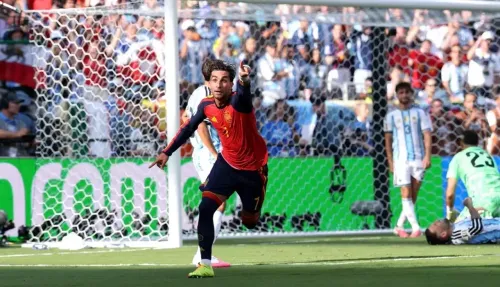
Yet Spain arrive in 2026 with genuine momentum. They are the reigning 2023 UEFA Nations League and 2024 European Championship winners, have not lost a competitive match in three years, and topped their World Cup qualification group, scoring 21 goals while conceding just two. Teenager Lamine Yamal, set to make his first World Cup appearance, is widely regarded as the most exciting young talent in the tournament.
Argentina: Defending the Crown, Breaking the Curse
If Brazil and Spain are motivated by nostalgia, Argentina are driven by the prospect of making history. Their 2022 Qatar World Cup triumph ended a 36-year wait for global glory, with captain Lionel Messi delivering what many consider the finest individual campaign in World Cup history — seven goals, crucial assists, and a final that will be replayed for generations.
The task now is defending that title — a feat no nation has achieved since Brazil won back-to-back titles in 1958 and 1962. The so-called 'Champions Curse' has claimed every defending champion since: Italy went out in the group stage in 2010, Spain suffered the same fate in 2014, Germany crashed out in the group stage in 2018, and France reached the final in 2022 only to fall short on penalties.
Much of Argentina's hope rests, once again, on Messi. Now in the later stages of his career and widely expected to be playing his last World Cup, the Argentine captain remains capable of altering the course of matches. His presence provides continuity and belief in a squad that knows what it takes to go all the way.
Three Nations, One Stage
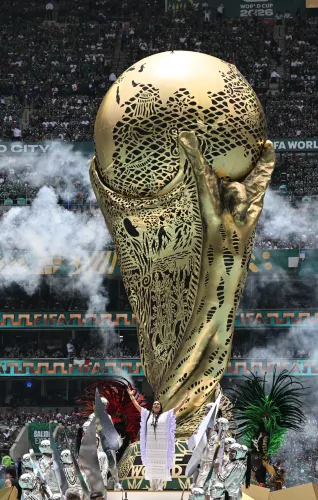
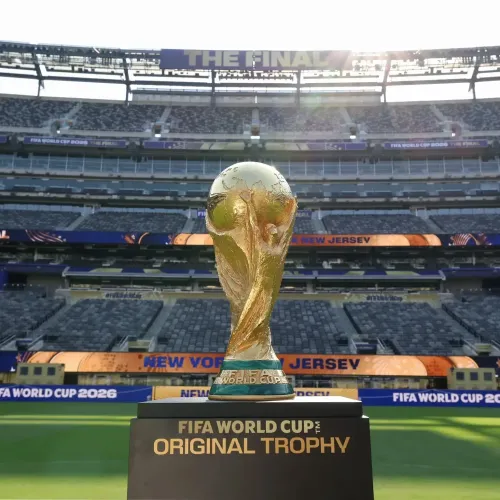
The FIFA World Cup 2026, co-hosted by the United States, Canada, and Mexico, promises a tournament defined by these competing narratives. Brazil seek to prove their glorious past is a prologue, not a memorial. Spain's young squad aims to craft its own identity rather than live in the shadow of a departed generation. And Argentina, led by Messi one final time, are chasing something rarer still — a place in football history as the first defending champion in over six decades to lift the trophy again.
Point of View
Not media framing — no nation has defended the World Cup in 64 years, and the pattern of early exits by reigning champions is striking. What makes Argentina's attempt structurally different is Messi: a player whose influence on tournament outcomes has been demonstrably outsized. Brazil's ranking-one status flatters a squad that has repeatedly underdelivered at tournaments; Ancelotti's ability to convert club-level man-management into international tournament cohesion is the real unknown. Spain, paradoxically, may be the most dangerous of the three — unburdened by the weight of immediate history, led by a teenager with nothing to lose, and carrying the best recent competitive record of any European side.
NationPress
22 Sept 2026
Frequently Asked Questions
Who are the favourites for the FIFA World Cup 2026?
Brazil enter the 2026 World Cup as the number one ranked side in the FIFA Rankings, making them a leading favourite. Spain and Argentina are also among the top contenders, with Argentina arriving as defending champions.
Is Lionel Messi playing in the 2026 FIFA World Cup?
Yes, Lionel Messi is expected to feature for Argentina at the 2026 World Cup, widely anticipated to be his final tournament. He scored seven goals and provided crucial assists during Argentina's title-winning campaign at the 2022 Qatar World Cup.
Has any team successfully defended the FIFA World Cup?
Only Brazil have successfully defended the World Cup, winning back-to-back titles in 1958 and 1962. No nation has repeated the feat in the 64 years since, with every defending champion — Italy, Spain, Germany, and France — failing to retain the title.
Who is Lamine Yamal and why is he significant for Spain?
Lamine Yamal is a teenage forward widely considered one of the most exciting young talents in world football. The 2026 World Cup will be his first, and he is expected to play a central role in Spain's campaign after starring in their 2024 European Championship triumph.
What is Brazil's squad situation for the 2026 World Cup?
Brazil's 2026 squad is managed by Carlo Ancelotti and includes Neymar Junior, Raphinha, and Vinícius Junior. They enter the tournament ranked number one in the FIFA Rankings, though Brazil have not won the World Cup since 2002.