Shekhawat Holds Constituency Meet in Jodhpur
Synopsis
Union Culture and Tourism Minister Gajendra Singh Shekhawat returned to his Jodhpur constituency on 11 July 2026, holding a direct public interaction at his residence to hear and address constituent grievances — a practice central to BJP's parliamentary outreach model.
Key Takeaways
Gajendra Singh Shekhawat , Union Minister for Culture and Tourism, travelled from New Delhi to Jodhpur on 11 July 2026 .
He held an open public meeting at his personal residence ( nij nivas ) to hear constituent grievances.
Shekhawat has been the Jodhpur Lok Sabha MP since 2014 and is a senior BJP leader from Rajasthan .
The visit is consistent with the BJP 's long-standing janata sampark outreach model for its parliamentarians.
Jodhpur 's identity as a heritage tourism hub makes constituency engagement by the Culture and Tourism Minister especially significant.
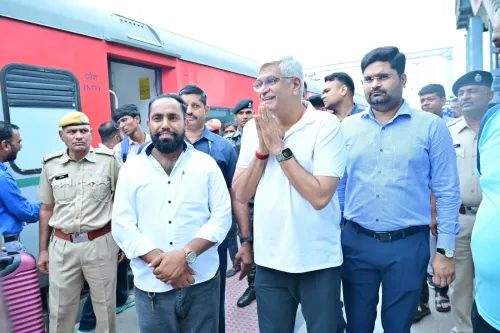
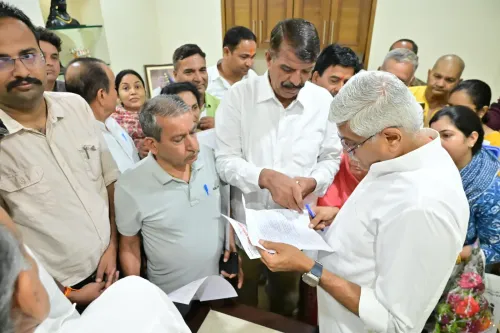
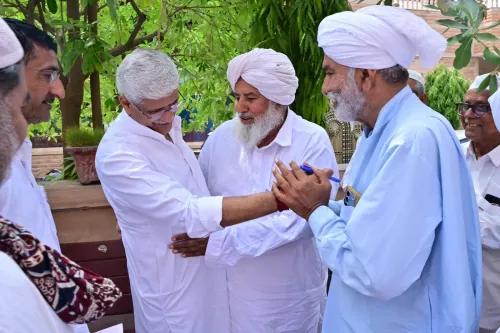
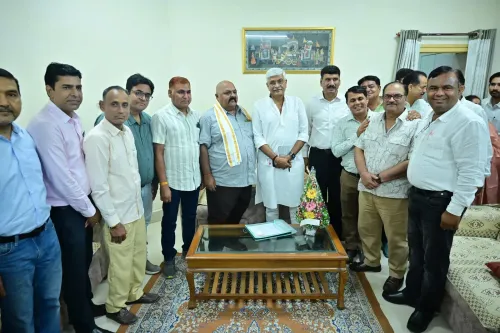
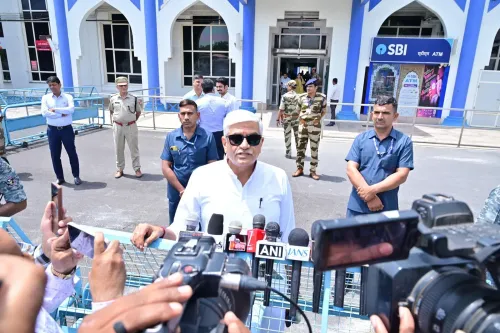
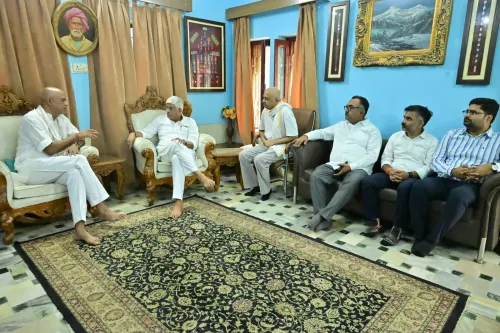
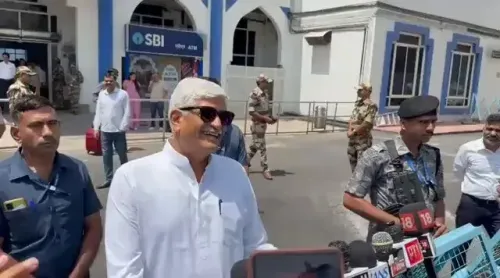
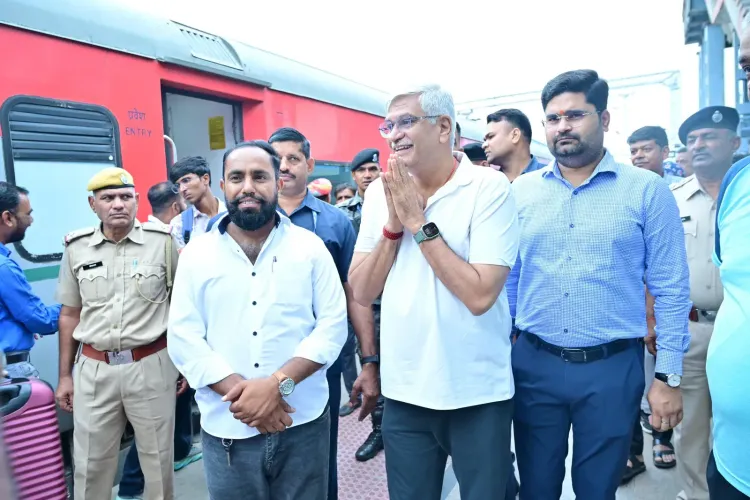
Union Culture and Tourism Minister Gajendra Singh Shekhawat travelled from New Delhi to his parliamentary constituency Jodhpur on Saturday, 11 July 2026, where he held an open public interaction at his residence, listening to grievances from constituents and attempting to resolve them on the spot.
Posting on X, Shekhawat wrote: 'Dilli se Jodhpur aakar nij nivas par janta-janardan se aatmiya bhent ki. Sabhi se samvad kar unki samasyaon ko suna tatha yathassambhav niraakaran ka prayas kiya.' — ('Travelling from Delhi to Jodhpur, I held a warm meeting with the public at my residence. I engaged with everyone, listened to their problems, and made every possible effort to resolve them.')
Context
Shekhawat has represented the Jodhpur Lok Sabha constituency since 2014 and is among the senior BJP leaders from Rajasthan. As a Union Minister, he divides his time between New Delhi, where ministerial duties are centred, and his home constituency. Visits such as this one allow him to maintain direct contact with voters even while holding national office.
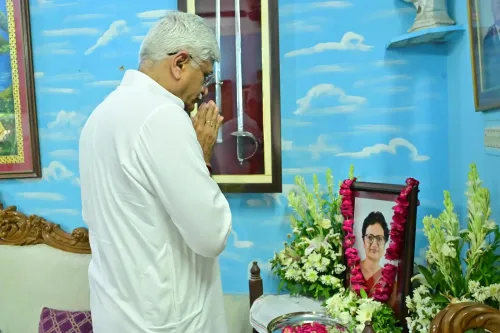
The public meeting was held at his personal residence, described in the post as 'nij nivas', indicating an informal, accessible format rather than an official government venue. Photographs shared alongside the post showed him seated among constituents in what appeared to be a direct, personal interaction.
Policy Backdrop
Regular constituency outreach — commonly referred to as 'janata sampark' programmes — has been a standard feature of BJP parliamentary practice since the 2014 general elections. The party has consistently encouraged its MPs, including those holding Union cabinet positions, to return to their constituencies during parliamentary recesses to hear local grievances directly.
The practice reflects a broader design within India's parliamentary system, where elected representatives are expected to balance national legislative and executive responsibilities with constituency-level accountability. For a minister of Shekhawat's seniority, such visits carry added significance as a signal of continued engagement with the electorate.
Stakeholders and Impact
The primary beneficiaries of such meetings are Jodhpur's residents, who gain direct access to a sitting Union Minister to raise issues that may span central, state, or local government domains. The format — held at the minister's own home — lowers the barrier for ordinary citizens to approach him compared with formal ministerial office interactions.
Jodhpur is also a significant centre for culture and heritage tourism, sectors that fall directly under Shekhawat's ministerial portfolio. Constituent concerns in this city could therefore intersect with his national policy responsibilities, making such meetings particularly relevant for local stakeholders in tourism and hospitality.
What's Next
It remains to be seen whether specific grievances raised during the meeting lead to formal follow-up actions or announcements at the central or state level. Such constituency visits by senior ministers are often precursors to targeted interventions or scheme implementations in the region. Shekhawat's continued engagement with Jodhpur voters will be closely watched ahead of the next electoral cycle in Rajasthan.
Point of View
Which has been central to the party's electoral strategy in Rajasthan since 2014. For a Union Minister, maintaining this grassroots cadence is both a political necessity and a signal to the local voter base that national office has not created distance. The choice of his personal residence as the venue — rather than a party office or government hall — reinforces an image of personal accessibility. As the next electoral cycle approaches, such visits are likely to intensify and could be accompanied by announcements tied to his Culture and Tourism portfolio that benefit the Jodhpur region directly.
NationPress
11 Jul 2026
Frequently Asked Questions
Why did Gajendra Singh Shekhawat visit Jodhpur in July 2026?
Shekhawat travelled from New Delhi to Jodhpur on 11 July 2026 to hold a direct public meeting at his residence, where he listened to constituent grievances and attempted to resolve them.
What is a janata sampark programme?
A janata sampark programme is a public outreach initiative in which elected representatives, particularly BJP MPs, meet constituents directly to hear and address local problems — a practice encouraged by the party since 2014.
Which constituency does Gajendra Singh Shekhawat represent?
Shekhawat represents the Jodhpur Lok Sabha constituency in Rajasthan and has held the seat since the 2014 general elections.
What ministry does Gajendra Singh Shekhawat head?
He serves as the Union Minister for Culture and Tourism in the central government and is a senior BJP leader from Rajasthan.
How often do Union Ministers visit their constituencies?
Indian Union Ministers typically visit their home constituencies during parliamentary recesses to conduct public interactions, a standard feature of parliamentary representation across party lines.