Shekhawat holds grievance meet with Jodhpur residents
Synopsis
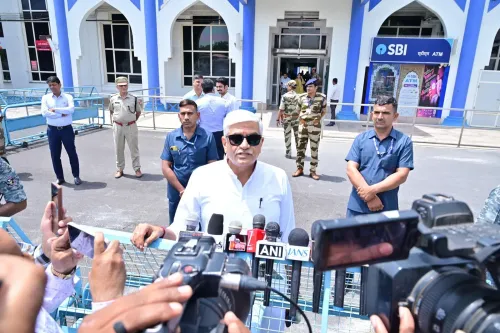
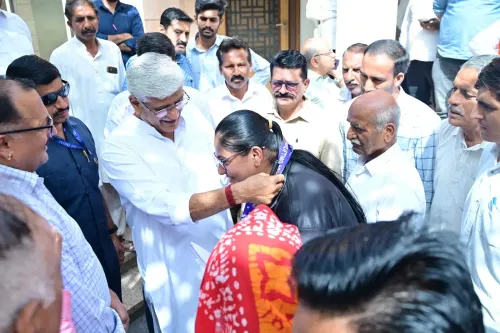
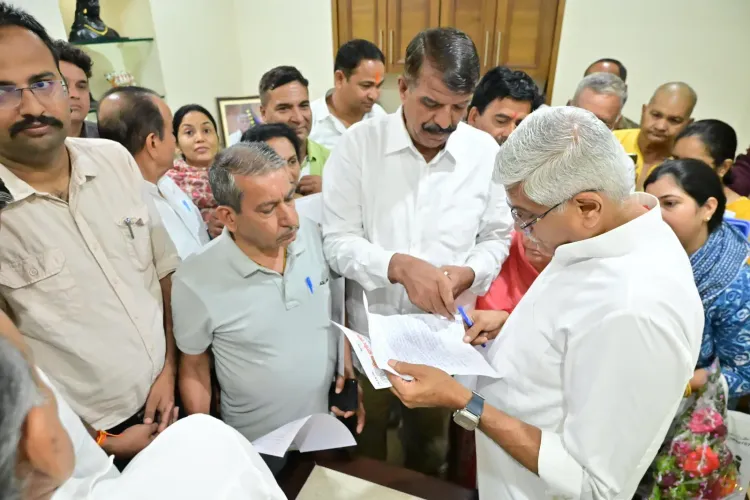
Union Culture and Tourism Minister Gajendra Singh Shekhawat held a constituency grievance meeting at his Jodhpur residence on 27 June 2026, receiving citizens and pledging swift resolution of local problems, tagging BJP4Rajasthan on X.
Key Takeaways
Union Minister Gajendra Singh Shekhawat held a citizen grievance session at his Jodhpur residence on 27 June 2026 .
Discussions covered local conditions, circumstances, and problems raised by visiting residents.
Shekhawat pledged 'swift resolution' of the grievances presented at the meeting.
The post was tagged to BJP4Rajasthan , the party's Rajasthan state unit, signalling organisational outreach.
Shekhawat has represented the Jodhpur Lok Sabha constituency since 2014 and regularly conducts such in-constituency interactions.
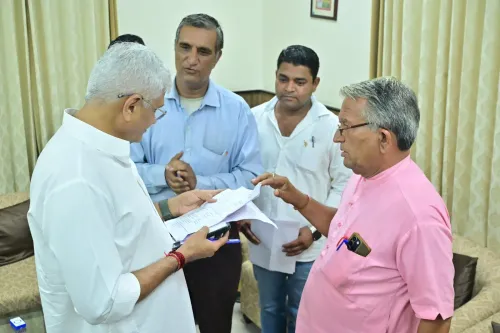
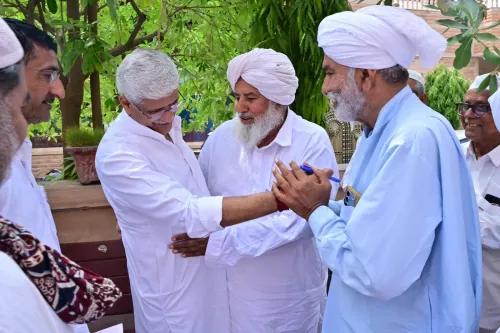
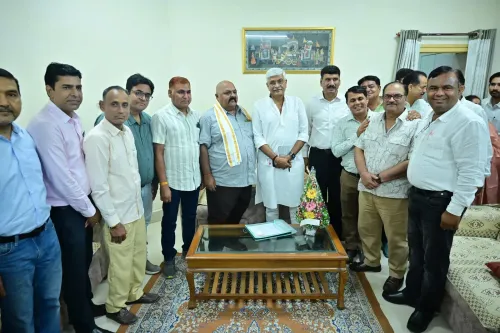
Union Culture and Tourism Minister Gajendra Singh Shekhawat held a constituency grievance meeting at his Jodhpur residence on Saturday, 27 June 2026, receiving citizens and hearing local concerns in his capacity as the sitting Lok Sabha MP from Jodhpur.
Context
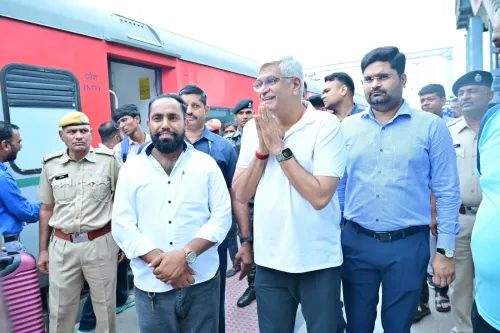
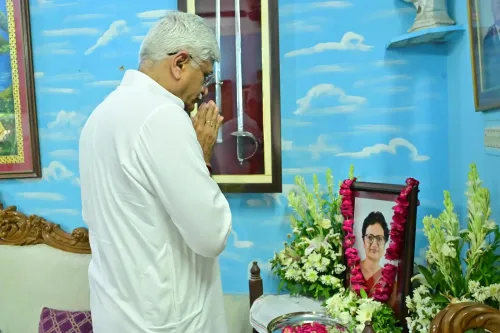
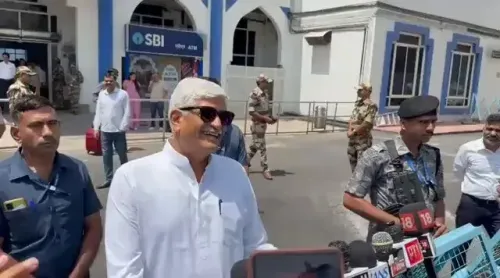
Posting on X with photographs of the gathering, Shekhawat described the visitors as 'देवतुल्य नागरिकों' ('godlike citizens') and said discussions covered 'local conditions and circumstances.' He added that efforts were made for the 'swift resolution of problems,' tagging BJP4Rajasthan, the state unit of the Bharatiya Janata Party.
The meeting was held at what Shekhawat referred to as 'जोधपुर निवास' — his Jodhpur residence — indicating an in-constituency interaction rather than a formal ministerial event in Delhi.
Policy Backdrop
Constituency grievance sittings are a routine feature of Indian parliamentary practice. Elected representatives, including Union ministers, hold such sessions to bridge the gap between residents and administrative machinery, particularly for issues that fall under state or local government jurisdiction.
Shekhawat has represented the Jodhpur Lok Sabha seat since 2014 and has conducted similar resident-interaction sessions across his tenures as MP and subsequently as a cabinet minister. The practice allows constituents to raise civic, administrative, and developmental grievances directly with their representative.
Stakeholders and Impact
The primary beneficiaries of such meetings are Jodhpur residents — ranging from individuals with pending civic complaints to local BJP workers coordinating organisational outreach. For a city known for its heritage tourism and associated infrastructure pressures, direct access to a Union minister who also holds the Culture and Tourism portfolio carries added significance.
Grievances raised at such forums are typically forwarded to the relevant district administration, state government departments, or central ministries depending on their nature. The Rajasthan state government and local municipal bodies are the usual implementing agencies for follow-up action.
What's Next
Follow-up actions on the specific grievances raised at the 27 June meeting will depend on the nature of the complaints and the jurisdictions involved. Any subsequent announcements from Shekhawat's MP office or the Rajasthan administration regarding local development or redressal measures will indicate the outcomes of the session.
Such regular constituency interactions are also viewed as part of the BJP's broader organisational strategy ahead of future electoral cycles in Rajasthan, keeping the party's grassroots connect active between election periods.
Point of View
Where the party must sustain organisational momentum between state and national electoral cycles. As a minister holding the Culture and Tourism portfolio, his presence in Jodhpur — a city central to Rajasthan's tourism economy — also reinforces the alignment between his ministerial brief and his constituency base. The tagging of BJP4Rajasthan suggests this is as much an organisational signal as a governance exercise. Regular such interactions help incumbents counter the perception that cabinet responsibilities pull ministers away from constituency concerns.
NationPress
26 Sept 2026
Frequently Asked Questions
Why did Gajendra Singh Shekhawat hold a meeting in Jodhpur on 27 June 2026?
Shekhawat held a constituency grievance meeting at his Jodhpur residence to hear local problems from residents and work toward their swift resolution, a routine practice for Indian MPs.
What is Gajendra Singh Shekhawat's role?
Gajendra Singh Shekhawat is the Union Minister of Culture and Tourism and a senior BJP leader serving as Lok Sabha MP from Jodhpur, Rajasthan since 2014.
What issues were discussed at Shekhawat's Jodhpur meeting?
Shekhawat stated that discussions covered local conditions and circumstances, though specific details of the grievances raised have not been publicly disclosed.
What is BJP4Rajasthan?
BJP4Rajasthan is the official state unit of the Bharatiya Janata Party in Rajasthan, active in party organisation and political outreach across the state.
How often does Shekhawat hold such constituency meetings in Jodhpur?
Shekhawat has conducted similar resident-interaction and grievance sessions regularly since his election as Jodhpur MP in 2014, treating them as a standard part of his constituency work.