Shekhawat Holds Jan Sunwai at Jodhpur Circuit House
Synopsis
Union Culture and Tourism Minister Gajendra Singh Shekhawat held a public grievance hearing at Jodhpur Circuit House on June 7, 2026, listening to constituents and coordinating with officials for solutions — part of his stated regular constituency outreach practice.
Key Takeaways
Union Minister Gajendra Singh Shekhawat conducted a jan sunwai at Jodhpur Circuit House on June 7, 2026 .
The minister listened to residents' problems and discussed solutions with 'concerned officials' on the spot.
Shekhawat described the session as part of his 'regular working style,' not a one-off event.
Jodhpur is his Lok Sabha parliamentary constituency; he is a senior BJP leader and Union Minister of Culture and Tourism.
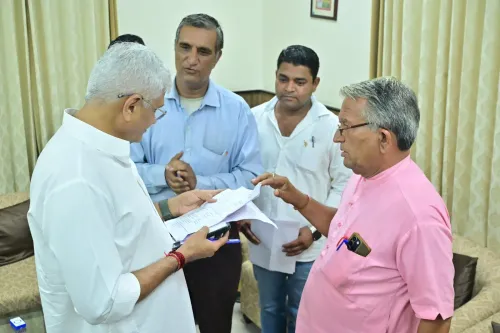
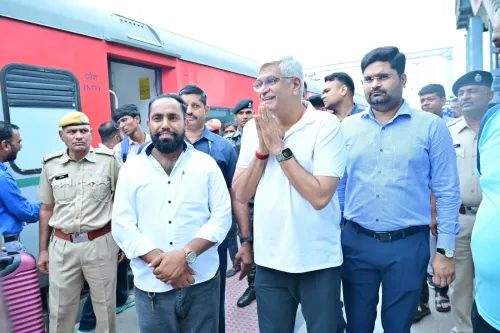
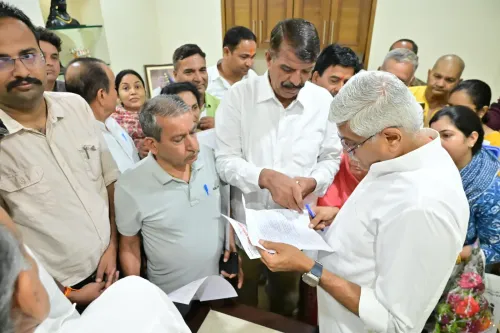
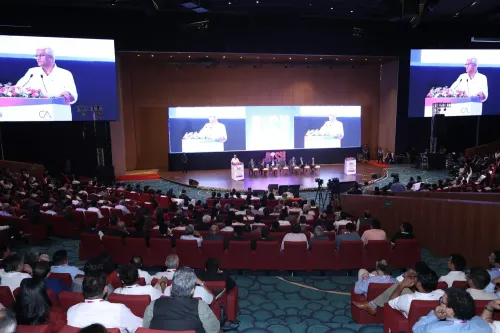
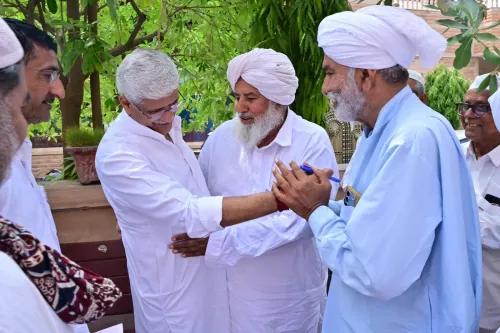
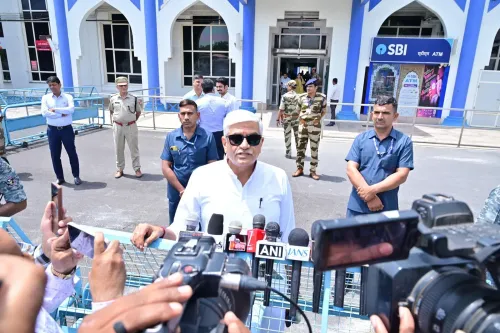
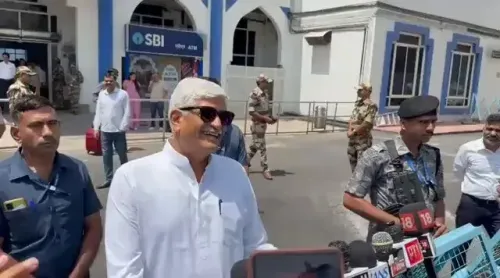
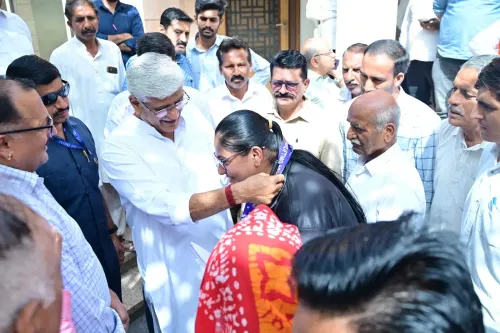
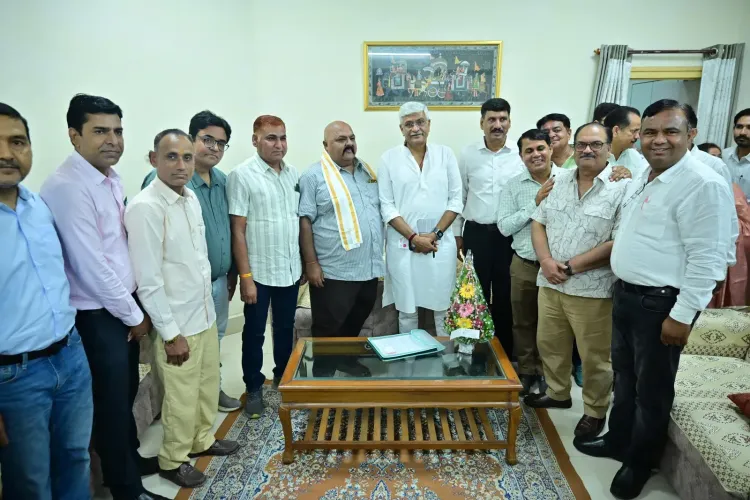
Four photographs from the hearing were shared publicly alongside his post on X.
Such jan sunwai sessions are a standard practice among Indian parliamentarians, observed across party lines since the first Lok Sabha.
Union Culture and Tourism Minister Gajendra Singh Shekhawat met constituents at a public grievance hearing (jan sunwai) at the Jodhpur Circuit House on Sunday, June 7, 2026, listening to residents' concerns and coordinating with local officials for their resolution.
Posting about the session on X, Shekhawat wrote: 'Today at the Jodhpur Circuit House jan sunwai, I met my people. I listened to everyone, understood their problems, and discussed solutions with the concerned officials.' He added that this is 'a part of my regular working style,' with a constant effort to ensure 'every citizen is heard and help is provided to the extent possible.'
Context
Jodhpur is Shekhawat's parliamentary constituency, and he has represented it in the Lok Sabha as a senior BJP leader. The Circuit House — a government rest-house facility typically used for official meetings — served as the venue for direct interaction between the minister and ordinary residents. Four photographs from the event were shared alongside the post, depicting the public hearing in progress.
Policy Backdrop
The practice of jan sunwai (public hearing or grievance redressal session) is a long-standing feature of Indian parliamentary culture, observed across party lines since the first Lok Sabha in 1952. Elected representatives, especially those holding central ministerial portfolios, use such sessions to maintain direct contact with their constituencies while managing national responsibilities from New Delhi.
In Rajasthan, district-level administrative grievances — spanning land records, pensions, infrastructure, and public services — are frequently raised at such forums. Central ministers who retain active constituency presence often channel these concerns to state and district officials, bridging the gap between federal governance and local administration.
Stakeholders and Impact
The primary beneficiaries of such sessions are Jodhpur residents who may lack direct access to administrative channels. By engaging 'concerned officials' on the spot, Shekhawat's office can expedite referrals on matters ranging from civic amenities to welfare scheme delivery. For constituents, the session offers a rare direct line to a sitting Union Minister who also carries influence over tourism and cultural infrastructure projects relevant to the region.
Jodhpur, as a major heritage tourism destination in Rajasthan, also intersects with Shekhawat's ministerial portfolio. Local stakeholders in the tourism and hospitality sector may use such access points to raise issues related to the Culture and Tourism Ministry's schemes and funding.
What's Next
Shekhawat's framing of the session as part of his 'regular working style' signals that such outreach will continue periodically. Issues flagged at the June 7 hearing may surface in future parliamentary sessions or in administrative follow-ups at the district level. Observers will also watch for any announcements on local tourism infrastructure or cultural heritage projects in Jodhpur that could emerge from the minister's sustained constituency engagement.
Point of View
Sustained constituency presence carries electoral weight, particularly as the party works to consolidate its base in the state. The session also underscores the dual role Indian central ministers play: national portfolio holders who must simultaneously function as active local representatives. Whether the grievances raised translate into measurable administrative outcomes will be the real test of this outreach model.
NationPress
19 Sept 2026
Frequently Asked Questions
What is a jan sunwai and why do MPs hold them?
A jan sunwai is a public grievance hearing where elected representatives listen directly to constituents' problems and coordinate with officials for solutions. Indian MPs have held such sessions as part of standard parliamentary practice since the first Lok Sabha in 1952.
Where did Gajendra Singh Shekhawat hold his June 2026 jan sunwai?
The jan sunwai was held at the Jodhpur Circuit House in Rajasthan on Sunday, June 7, 2026.
What is Gajendra Singh Shekhawat's current position?
Gajendra Singh Shekhawat is the Union Minister of Culture and Tourism and a senior BJP leader. He is also the Lok Sabha Member of Parliament from the Jodhpur constituency in Rajasthan.
What issues are typically raised at such constituency hearings in Rajasthan?
District-level grievances at such sessions commonly cover land records, pension delays, infrastructure gaps, and public service delivery. Constituents in Jodhpur may also raise concerns related to tourism and cultural heritage, areas that fall under Shekhawat's ministerial portfolio.
Will Shekhawat hold more such public hearings in Jodhpur?
Yes, Shekhawat stated that holding jan sunwai sessions is part of his 'regular working style,' indicating that such constituency outreach will continue periodically.