Shekhawat Meets Constituents at Jodhpur Circuit House
Synopsis
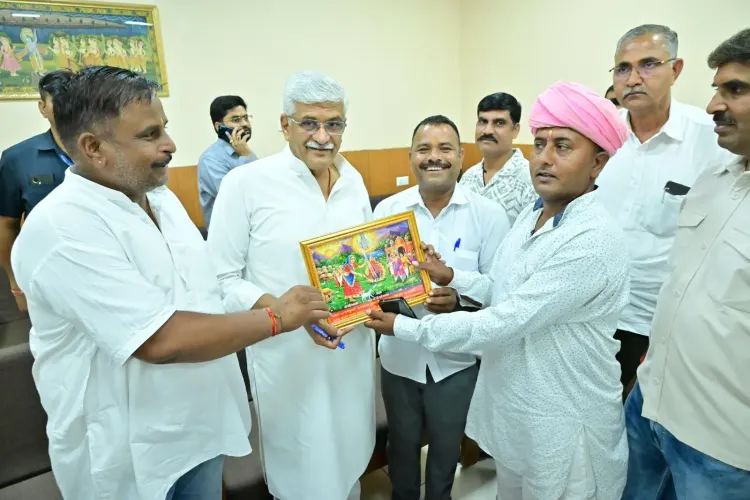
Union Culture and Tourism Minister Gajendra Singh Shekhawat visited Jodhpur on 17 October 2026 and held a warm meeting with party workers and constituents at the local circuit house, listening to grievances and attempting resolutions.
Key Takeaways
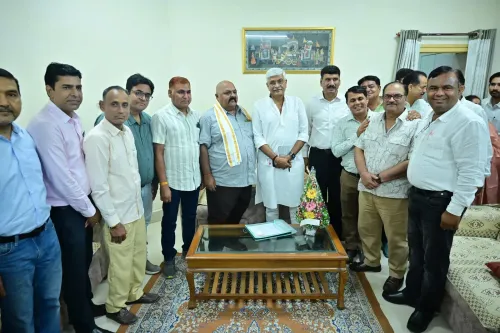
Union Minister Gajendra Singh Shekhawat met party workers and prominent citizens at Jodhpur Circuit House on 17 October 2026 .
The minister described the interaction as an ' aatmiya mulaqat ' — a warm, personal meeting.
Shekhawat listened to constituents' problems and attempted resolution 'to the extent possible.' Circuit house meetings are a standard constituency-management tool for Indian MPs, especially those serving in the Union Cabinet and based in New Delhi.
Specific issues raised and outcomes of the meeting have not been publicly disclosed.
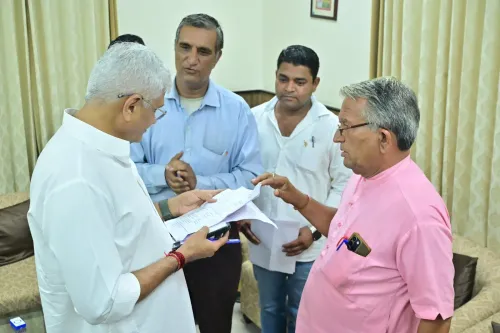
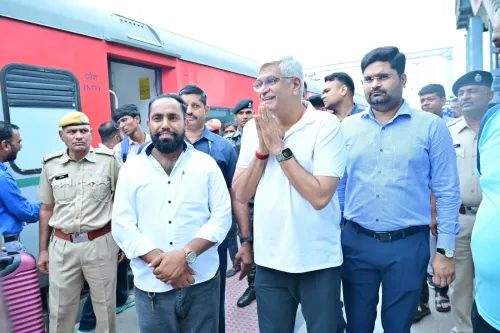
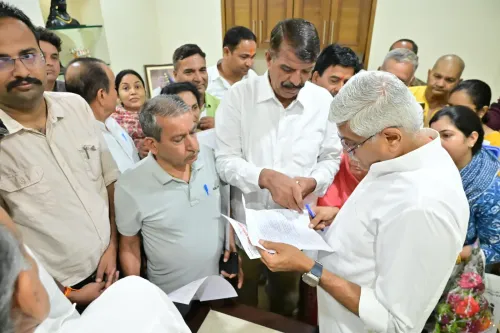
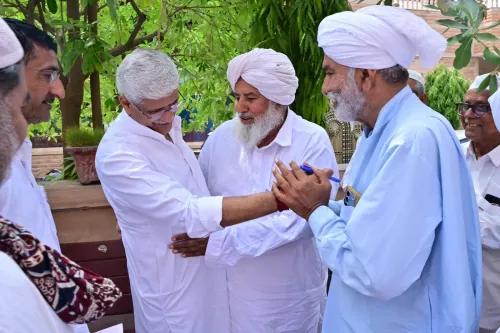
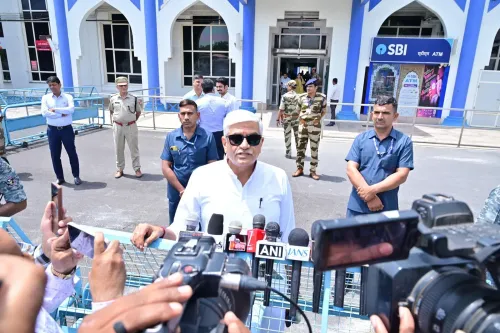
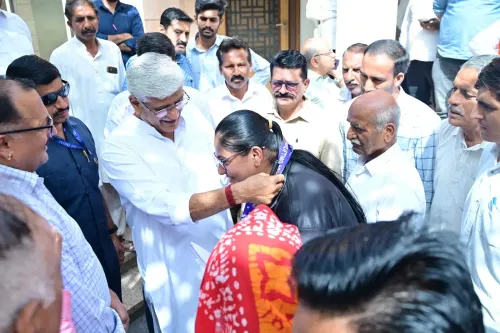
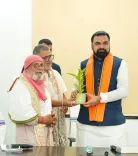
Back in his constituency on Saturday, 17 October 2026, Union Culture and Tourism Minister Gajendra Singh Shekhawat sat down with party workers and prominent citizens at the Jodhpur Circuit House — listening, noting, and promising to act where he could.
Shekhawat posted about the meeting on X, writing 'आत्मीय मुलाकात हुई' — 'a warm, personal meeting took place' — at the local circuit house, where he 'listened to their problems and attempted resolution to the extent possible.' The phrasing is deliberate: not a press conference, not a policy launch, but a ground-level listening session that forms the quiet backbone of constituency management for Indian MPs.
Jodhpur Circuit House as a political touchpoint
Circuit houses across India have long served as informal durbar halls for elected representatives returning home. For a sitting Union Minister holding a Lok Sabha seat, the balancing act is constant — Jodhpur sends Shekhawat to Parliament, and Parliament keeps him in New Delhi for most of the year. A visit to the circuit house signals availability: workers with stalled files, citizens with unresolved grievances, and local party functionaries seeking a direct ear all converge on such occasions.
What constituency outreach looks like for a Union Minister
Senior BJP leaders holding cabinet portfolios routinely schedule such sessions when in their home constituencies. The meetings typically surface a mix of local infrastructure requests, bureaucratic roadblocks, and intra-party concerns. Shekhawat noted he attempted resolution 'to the extent possible' — a frank acknowledgement that a Union Minister's direct leverage over state and district-level matters has limits, even within a BJP-governed Rajasthan.
The specific problems raised and any commitments made have not been publicly disclosed, keeping the focus on the gesture of access rather than any concrete outcome — for now.
Point of View
A circuit house session in Jodhpur is more than a courtesy call — it is a deliberate signal of constituency presence. Shekhawat represents a seat the BJP has long held, and regular ground-level access helps sustain that base. The meeting fits a broader pattern of senior BJP leaders balancing national office with hyper-local responsiveness in their home states. Whether any of the grievances raised translate into visible follow-up action will be the real measure of the visit's significance.
NationPress
17 Oct 2026
Frequently Asked Questions
Why did Gajendra Singh Shekhawat hold a meeting at Jodhpur Circuit House?
Shekhawat held the meeting to interact with local party workers and prominent citizens, listen to their problems, and attempt resolutions — a routine constituency-management activity for sitting MPs, especially those serving as Union Ministers.
What is the Jodhpur Circuit House?
Circuit houses in India are government-owned rest houses originally built for touring officials. They frequently double as accessible venues for elected representatives to meet constituents and party workers during home visits.
What problems were discussed at the Jodhpur meeting?
The specific grievances raised at the 17 October 2026 meeting have not been publicly disclosed. Shekhawat said he listened to problems and attempted resolution 'to the extent possible.'
Who is Gajendra Singh Shekhawat?
Gajendra Singh Shekhawat is a senior BJP leader, Union Minister of Culture and Tourism, and the sitting Lok Sabha MP from Jodhpur, Rajasthan.
Does Shekhawat regularly visit Jodhpur for constituency meetings?
As is standard practice for Indian MPs holding Union Cabinet positions, Shekhawat periodically returns to Jodhpur for constituency outreach, including meetings with party workers and citizens at venues like the circuit house.