Smriti Irani Named Among Fortune India's 100 Most Powerful Women 2026
Synopsis
BJP leader Smriti Irani was named among Fortune India's 100 Most Powerful Women 2026 and addressed a Mumbai gathering on self-worth, contract negotiation, and the need for gender-inclusive AI training data as pillars of women's economic empowerment.
Key Takeaways
Smriti Irani was recognised among Fortune India's 100 Most Powerful Women 2026 at an event in Mumbai on 11 July 2026 .
She argued that economic empowerment begins with self-worth, stating every woman must recognise 'she is enough as she is.' Irani called on every woman to learn contract negotiation as an expression of 'confidence, agency, and self-worth,' not merely a professional skill.
She warned that AI cannot be a 'true equaliser for gender' if algorithms are not trained on data reflecting women's participation and lived experiences.
Her remarks connect to India's existing policy frameworks including Beti Bachao Beti Padhao (launched 2015 ) and the Digital India initiative.
The speech is expected to inform upcoming parliamentary debates on women's economic participation and national AI data governance guidelines.
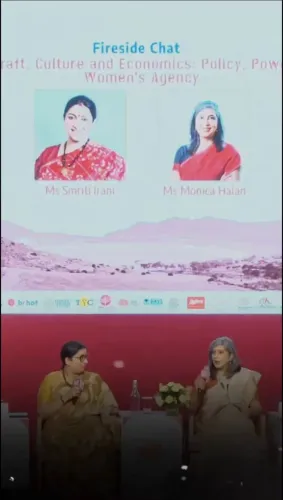
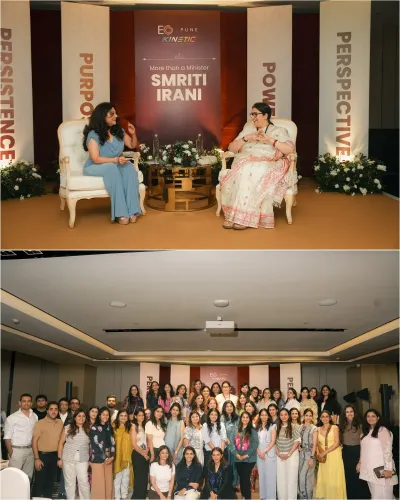
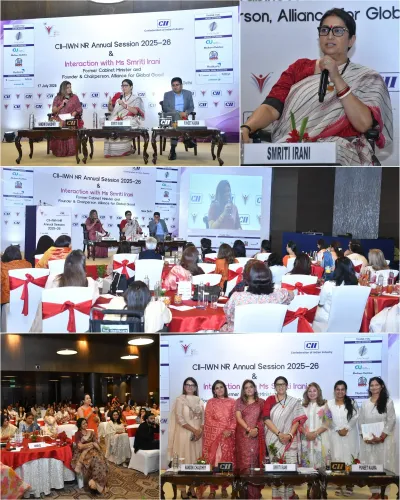
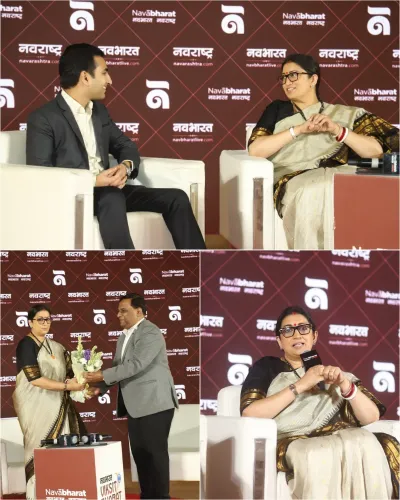
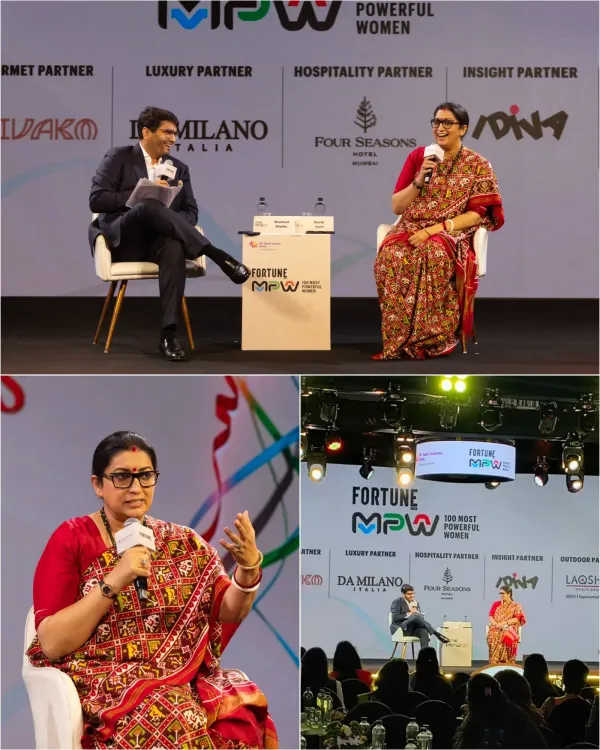
BJP leader Smriti Irani was recognised among Fortune India's 100 Most Powerful Women 2026, joining a cohort of women leaders in Mumbai on Saturday, 11 July 2026 for a conversation spanning leadership, entrepreneurship, technology, and women's economic empowerment.
Context
Speaking at the Fortune India event, Irani centred her remarks on self-worth as the foundation of economic agency. She stated that 'every woman should recognise that she is enough as she is, and that economic empowerment begins with understanding one's own worth.' The address drew on her long-standing advocacy for gender-focused policy during her tenure as Union Minister of Women and Child Development.
Irani also stressed the practical dimension of empowerment, arguing that 'every woman should know how to negotiate a contract — not merely as a professional skill, but as an expression of confidence, agency, and self-worth.' The framing moved the conversation beyond welfare narratives toward one of active economic participation.
Policy Backdrop
Irani's remarks align with a broader policy lineage that includes the Beti Bachao Beti Padhao scheme, launched in 2015, which sought to improve the child sex ratio and promote girls' education and economic inclusion. Successive governments have also tied women's empowerment to digital access frameworks under Digital India, emphasising skills and connectivity as enablers of economic participation.
The intersection of gender and technology has gained fresh urgency as Artificial Intelligence becomes central to economic productivity. Irani underscored that 'if algorithms are not trained on data that reflects women's participation, contributions, and lived experiences, AI cannot become a true equaliser for gender.' She called for 'foundational AI' that recognises women's stories and potential as a prerequisite for equitable technology.
Stakeholders and Impact
The audience most directly addressed includes women entrepreneurs, professionals navigating contract negotiations, and the broader female workforce seeking to leverage digital tools. Irani's call for inclusive AI training data has implications for technology companies, data governance bodies, and policymakers shaping national AI frameworks.
For the women's entrepreneurship ecosystem, the emphasis on negotiation as a confidence skill rather than a corporate formality signals a shift in how empowerment conversations are framed at high-profile platforms. Recognition on the Fortune India 100 Most Powerful Women list also elevates the visibility of these arguments within business and policy circles.
What's Next
Attention will now turn to whether Irani's call for gender-inclusive AI data standards translates into concrete legislative or regulatory proposals, particularly as Parliament debates women's economic participation metrics and potential national AI ethics guidelines. The Fortune India platform gives these arguments a business-community audience that could amplify pressure on technology firms to audit and diversify their training datasets.
Irani's remarks also set a marker ahead of forthcoming parliamentary sessions where digital governance and women's workforce participation are expected to feature in policy discussions, making this speech a potential reference point in those debates.
Point of View
She reframes women's empowerment as an inward cultural shift rather than a purely structural policy problem — a message that resonates with entrepreneurial audiences but may face scrutiny from advocates who argue structural barriers outweigh mindset gaps. Her call for gender-inclusive AI training data is the sharpest policy ask in the speech, and its traction will depend on whether it is followed by legislative or regulatory action. The recognition itself keeps Irani visible as a national women's policy voice ahead of what is expected to be an active parliamentary session on digital governance.
NationPress
10 Oct 2026
Frequently Asked Questions
What is Fortune India's 100 Most Powerful Women list?
Fortune India's 100 Most Powerful Women is an annual ranking by the business publication Fortune India that recognises the most influential women across sectors in the country. Smriti Irani was named to the 2026 edition of the list.
What did Smriti Irani say about AI and gender equality?
Irani said that if algorithms are not trained on data reflecting women's participation, contributions, and lived experiences, AI cannot become a true equaliser for gender. She called for foundational AI to recognise women's stories and potential.
Why did Smriti Irani emphasise contract negotiation for women?
Irani argued that knowing how to negotiate a contract is not merely a professional skill but an expression of confidence, agency, and self-worth, framing it as a core component of women's economic empowerment.
What is Beti Bachao Beti Padhao and how does it relate to Smriti Irani?
Beti Bachao Beti Padhao is a government scheme launched in 2015 to improve the child sex ratio and promote girls' education and empowerment. Irani championed gender-focused policies during her tenure as Union Minister of Women and Child Development, making this scheme part of her policy legacy.
Where was the Fortune India women's leadership event held?
The Fortune India event bringing together women leaders for a conversation on leadership, entrepreneurship, technology, and economic empowerment was held in Mumbai.