MP CMO highlights Jal Ganga Sanvardhan Abhiyan in Dhar
Synopsis
The Chief Minister's Office of Madhya Pradesh highlighted the Jal Ganga Sanvardhan Abhiyan in Dhar district on 25 May 2026, sharing images of the state's ongoing water conservation drive targeting groundwater recharge and river rejuvenation in the drought-prone Malwa-Nimar region.
Key Takeaways
The Chief Minister's Office of Madhya Pradesh posted about the Jal Ganga Sanvardhan Abhiyan in Dhar district on 25 May 2026 .
Dhar is a tribal-dominated, agriculturally vulnerable district in western MP dependent on monsoon and groundwater.
The abhiyan focuses on water-body conservation, rainwater harvesting, check-dam construction, and pond desilting.
The campaign continues a policy lineage dating to the Mukhya Mantri Jal Sanrakshan Abhiyan launched in 2017 .
Complementary central schemes — Jal Jeevan Mission and Atal Bhujal Yojana — support the state-level effort.
Progress on structures completed and any new allocations are expected ahead of the 2026 monsoon season.
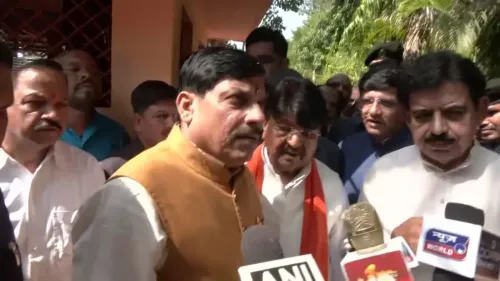
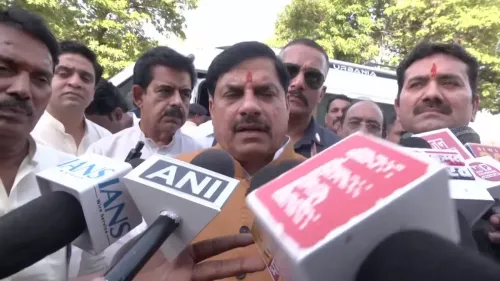
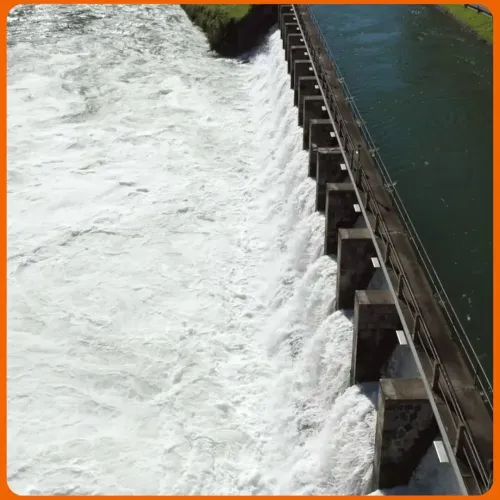
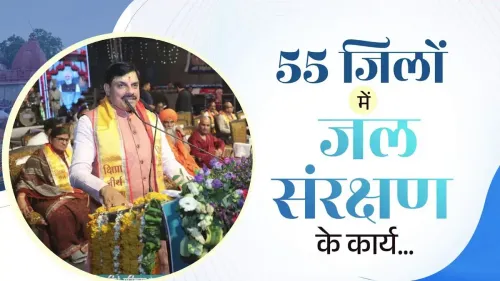
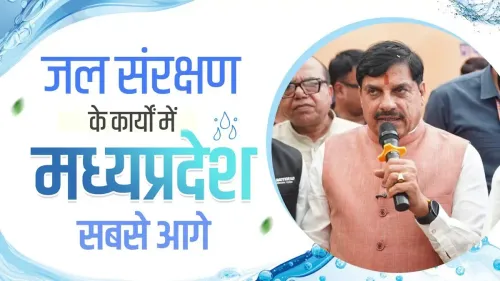
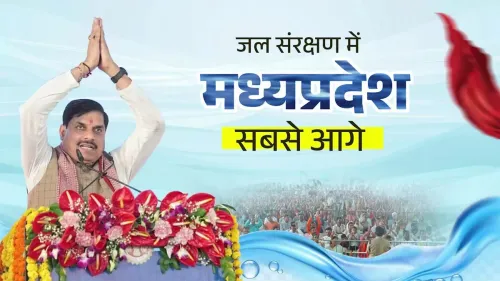
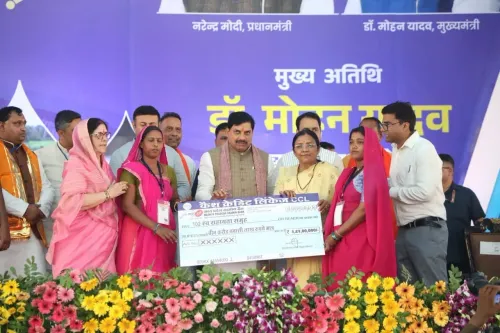
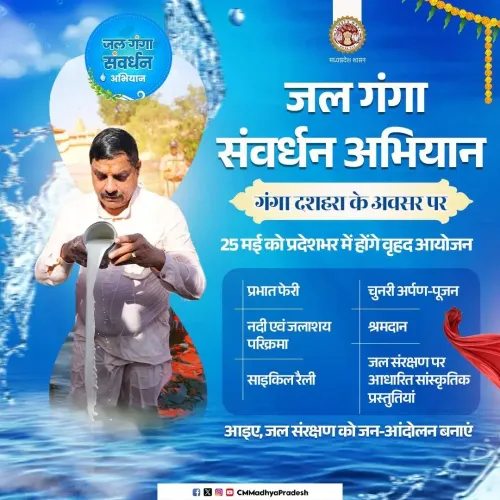
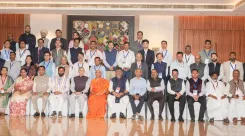
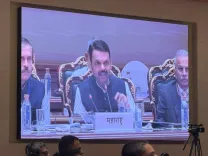
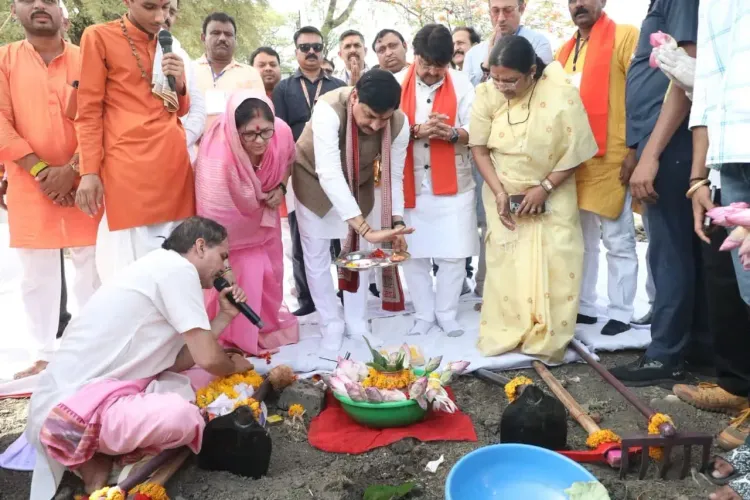
The Chief Minister's Office of Madhya Pradesh on Monday, 25 May 2026 shared an update on the Jal Ganga Sanvardhan Abhiyan being carried out in Dhar district, spotlighting the state government's ongoing water conservation drive through a post accompanied by four images.
Context
The post, tagged with #MadhyaPradesh, #जल_गंगा_संवर्धन_अभियान_MP, and #Dhar, places the campaign's district-level activity in the public record. Dhar is a tribal-dominated district in western Madhya Pradesh where agriculture is heavily dependent on monsoon rains and groundwater, making water conservation a perennial priority. The four images shared alongside the post indicate on-ground activity, though the specific structures or events depicted have not been independently detailed in the communication.Policy Backdrop
The Jal Ganga Sanvardhan Abhiyan MP is a state initiative centred on water-body conservation, rainwater harvesting, and river rejuvenation — encompassing activities such as check-dam construction and pond desilting. It builds on the Mukhya Mantri Jal Sanrakshan Abhiyan, which the Madhya Pradesh government launched in 2017 to create thousands of water-harvesting structures across districts. The state also participates in the centrally sponsored Namami Gange programme, extending river-conservation practices to tributaries and local rivers within MP. Complementary national schemes — the Jal Jeevan Mission and the Atal Bhujal Yojana — provide additional funding and technical frameworks that dovetail with such district-level drives.Stakeholders and Impact
The primary beneficiaries of the abhiyan in Dhar are small and marginal farmers and rural households who depend on groundwater and seasonal rivers for irrigation and drinking water. The Malwa and Nimar regions, of which Dhar is a part, have historically faced groundwater depletion and drought stress, giving water-harvesting campaigns an outsized economic significance for local livelihoods. Sustained investment in such structures can reduce crop-loss risk during deficit monsoon years and improve recharge levels in shallow aquifers used by village communities.What's Next
Attention will now turn to progress reports on the number and type of structures completed under the current phase of the abhiyan in Dhar and other targeted districts. Any supplementary allocations or revised targets are expected to surface in forthcoming state budget sessions or pre-monsoon preparedness meetings convened by the Madhya Pradesh government. The campaign's visibility on official channels suggests the administration intends to use district-level documentation as a benchmark for evaluating the programme's reach ahead of the 2026 monsoon season.Point of View
Particularly in electorally and agrarian-sensitive tribal belts. Dhar's inclusion is consistent with the state's long-standing focus on the drought-prone Malwa-Nimar corridor, where groundwater stress directly translates into farmer distress. By tying the campaign to visual documentation, the government is building a verifiable record ahead of the monsoon — a period when water infrastructure credibility matters most to rural constituencies. This pattern also reflects a broader national trend of state governments using social media to demonstrate scheme delivery at the block and district level.
NationPress
9 Oct 2026
Frequently Asked Questions
What is the Jal Ganga Sanvardhan Abhiyan in Madhya Pradesh?
The Jal Ganga Sanvardhan Abhiyan MP is a state government initiative focused on conserving water bodies, promoting rainwater harvesting, and rejuvenating rivers through activities such as check-dam construction and pond desilting across Madhya Pradesh districts.
Why is Dhar district significant for water conservation in MP?
Dhar is a tribal-dominated district in western Madhya Pradesh where agriculture depends heavily on monsoon rains and groundwater; the Malwa-Nimar region it belongs to faces recurring groundwater depletion and drought, making water conservation drives especially critical there.
How does the Jal Ganga Sanvardhan Abhiyan relate to earlier MP water schemes?
It builds on the Mukhya Mantri Jal Sanrakshan Abhiyan launched in 2017, which created thousands of water-harvesting structures across the state, and complements central programmes such as Namami Gange, Jal Jeevan Mission, and Atal Bhujal Yojana.
Who benefits from the water conservation campaign in Dhar?
Small and marginal farmers and rural households in Dhar district are the primary beneficiaries, as improved groundwater recharge and water-body restoration reduce crop-loss risk during deficit monsoon years and support drinking water access.
What should we watch for next in the Jal Ganga Sanvardhan Abhiyan?
Progress reports on structures completed in Dhar and other districts, along with any supplementary budget allocations or revised campaign targets, are expected to emerge in state budget sessions or pre-monsoon preparedness meetings in 2026.