CM Mohan Yadav: MP leads nation in water conservation
Synopsis
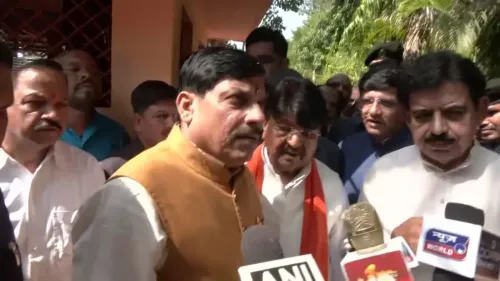
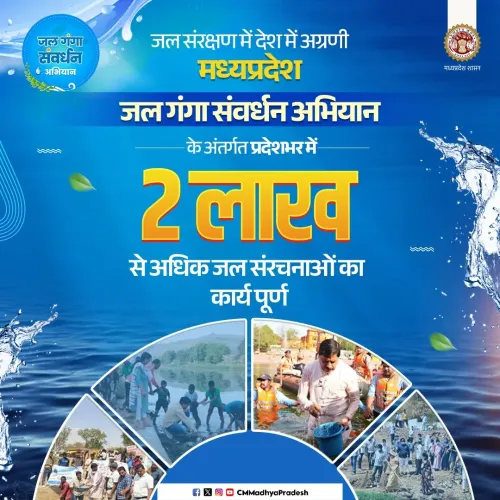
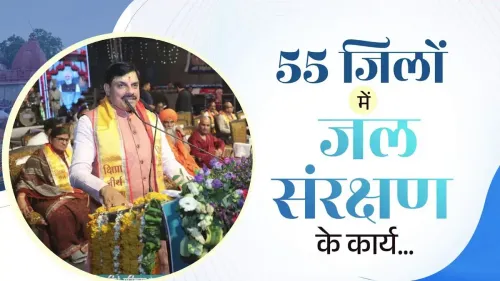
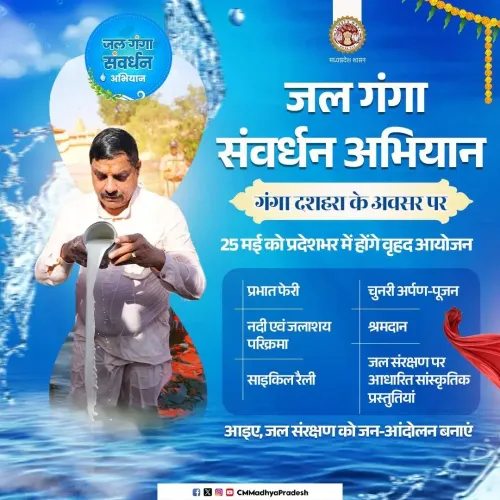
Chief Minister Dr. Mohan Yadav has declared Madhya Pradesh the national leader in water conservation, pointing to the Jal Ganga Sanvardhan Abhiyan as the vehicle for the state's ongoing river rejuvenation and groundwater recharge work, with Ujjain's Shipra river a key focus.
Key Takeaways
Mohan Yadav claimed Madhya Pradesh leads the country in water conservation and augmentation work.
The state is pursuing this goal through the Jal Ganga Sanvardhan Abhiyan , a campaign focused on river rejuvenation and groundwater recharge.
Ujjain and the Shipra river — a Ganga-basin tributary — are central to the campaign's geographical scope.
The initiative builds on earlier state programmes and aligns with central schemes including Jal Shakti Abhiyan (2019) and Jal Jeevan Mission (2019) .
Primary beneficiaries include farmers and rural households facing groundwater stress in western and central Madhya Pradesh.
Independent verification through Central Ground Water Board data and state budget disclosures will be key to assessing programme outcomes.
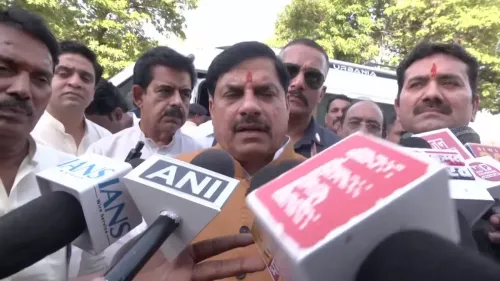
The Chief Minister's Office of Madhya Pradesh stated on Tuesday, 26 May 2026 that Madhya Pradesh leads the country in water conservation and augmentation, with the state government continuously advancing this work through the Jal Ganga Sanvardhan Abhiyan. The declaration was attributed to Chief Minister Dr. Mohan Yadav, with Ujjain cited as part of the campaign's geographical context.
Context
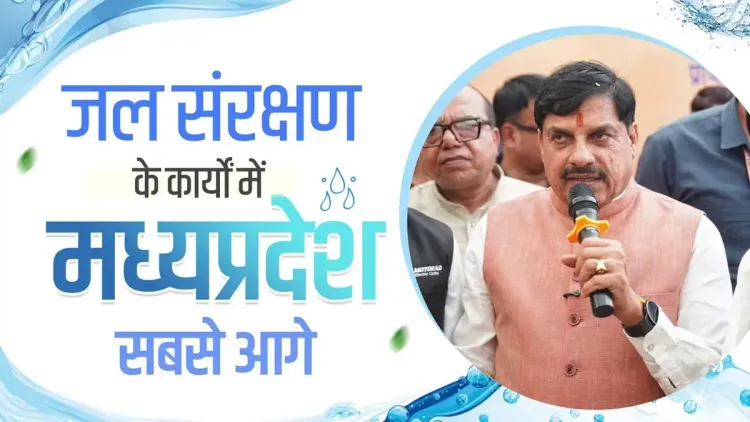
The post, shared from the official @CMMadhyaPradesh handle, quotes CM Dr. Mohan Yadav as saying: 'Jal sanrakshan evam samvardhan ke karyon mein Madhya Pradesh desh mein sabse aage hai' — 'Madhya Pradesh is at the forefront of the country in water conservation and augmentation work.' The statement positions the state as a national leader within the competitive federal landscape of water management, a recurring theme in state-level governance messaging.
The reference to Ujjain is significant. The historic city on the banks of the Shipra river hosts the Mahakaleshwar Jyotirlinga and draws millions of pilgrims during major religious events, placing acute periodic pressure on local water resources. The Shipra is a tributary linked to the broader Ganga basin, making it a natural focal point for the Abhiyan.
Policy Backdrop
The Jal Ganga Sanvardhan Abhiyan is a state-level campaign focused on water conservation, river rejuvenation, and groundwater recharge, with particular emphasis on rivers and tributaries connected to the Ganga basin. The campaign builds on a longer lineage of water management initiatives in the state, including participation in the central Jal Shakti Abhiyan launched in 2019, which targeted water-stressed districts across India.
Earlier programmes such as the Narmada Khandwa Lift Irrigation and watershed management schemes in the 2010s sought to address groundwater depletion in western Madhya Pradesh. The BJP-led state administration has, since 2003, consistently framed infrastructure and resource management programmes as markers of governance performance, often citing national rankings in select development indicators.
At the central level, schemes such as Namami Gange (2014) and Jal Jeevan Mission (2019) provide both funding streams and political visibility for state-level river and aquifer projects, creating incentives for states to publicly align their programmes with these national priorities.
Stakeholders and Impact
Farmers and rural households are the primary beneficiaries of sustained water conservation efforts in a state where agriculture remains the dominant livelihood. Groundwater stress in western and central Madhya Pradesh has been a persistent concern, and campaigns targeting aquifer recharge and river rejuvenation directly affect irrigation availability and drinking water security.
Urban residents of Ujjain and surrounding districts also stand to benefit from improved management of the Shipra, particularly given the river's cultural and ecological importance. Sustained pilgrim footfall makes water quality and availability in the city a governance priority beyond the agricultural sector.
What's Next
Observers will watch for the release of the next round of Central Ground Water Board data for Ujjain and neighbouring districts, which would offer an independent measure of whether state conservation efforts are translating into measurable groundwater recovery. State budget allocations and tender notices for infrastructure under the Jal Ganga Sanvardhan Abhiyan in 2026-27 will also indicate the programme's operational scale. As India's monsoon season approaches, the political salience of water security messaging is likely to intensify across state governments.
Point of View
The claim's credibility will ultimately rest on independently verified data from bodies such as the Central Ground Water Board, whose forthcoming district-level assessments will either substantiate or complicate the state's narrative. In the run-up to the monsoon season, water security messaging is a high-salience political currency across Indian states, making such declarations as much electoral positioning as policy communication.
NationPress
10 Oct 2026
Frequently Asked Questions
What is the Jal Ganga Sanvardhan Abhiyan in Madhya Pradesh?
The Jal Ganga Sanvardhan Abhiyan is a Madhya Pradesh state government campaign focused on water conservation, river rejuvenation, and groundwater recharge, with particular emphasis on rivers and tributaries linked to the Ganga basin, including the Shipra river near Ujjain.
Why is Ujjain important for water conservation in Madhya Pradesh?
Ujjain sits on the banks of the Shipra river, a Ganga-basin tributary, and hosts millions of pilgrims at the Mahakaleshwar Jyotirlinga, placing significant periodic pressure on local water resources and making it a priority location for conservation efforts.
What did CM Mohan Yadav say about Madhya Pradesh and water conservation?
CM Dr. Mohan Yadav stated that Madhya Pradesh is at the forefront of the country in water conservation and augmentation work, and that the state government is continuously advancing this through the Jal Ganga Sanvardhan Abhiyan.
How does the Jal Ganga Sanvardhan Abhiyan relate to central government water schemes?
The Abhiyan aligns with and builds upon central schemes such as the Jal Shakti Abhiyan (2019) and Jal Jeevan Mission (2019), which provide funding and policy frameworks for state-level river and groundwater projects across India.
Who benefits from Madhya Pradesh's water conservation programmes?
The primary beneficiaries are farmers and rural households facing groundwater stress, particularly in western and central Madhya Pradesh, as well as urban residents of cities like Ujjain who depend on the Shipra river for water supply and cultural use.