China's UN influence alarms US Congress: Key agencies at stake
Synopsis
A US Congressional hearing on UN reform revealed the depth of Washington’s alarm over China’s two-decade expansion inside the United Nations — from standard-setting bodies governing telecoms and IP to peacekeeping missions that officials say may double as intelligence operations. The battle for global rule-making is no longer just diplomatic; it is now fought inside agencies most people have never heard of.
Key Takeaways
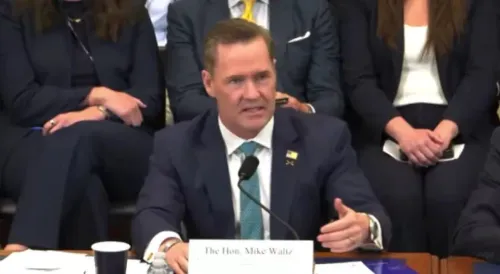
US Ambassador Mike Waltz told the House Foreign Affairs Committee on 23 July that Washington must actively counter China’s growing presence in UN agencies.
China is the largest troop contributor among UN Security Council permanent members and the second-largest financial contributor to the UN overall.
The US backed a Singaporean candidate over a Chinese nominee at the World Intellectual Property Organization (WIPO) to block Beijing’s bid to lead the agency.
Waltz said the administration demanded the UN Secretariat cease using a trust fund linked to China’s Belt and Road Initiative .
Officials warned that Chinese peacekeeping deployments may serve a dual purpose as “eyes and ears on the ground for the Chinese Communist Party .” Lawmakers were divided on whether to counter Beijing through deeper UN engagement or by cutting US funding to force institutional reform.
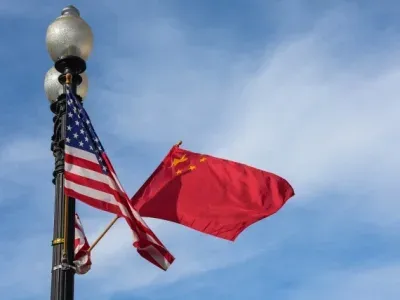
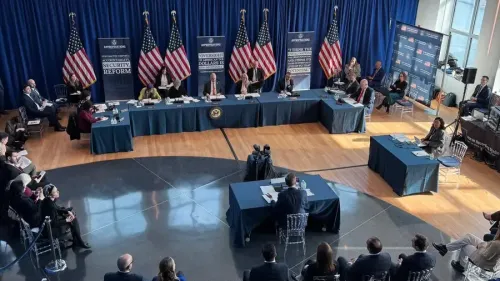
China's steadily expanding footprint within the United Nations took centre stage at a US Congressional hearing on Wednesday, 23 July, as senior Trump administration officials and lawmakers warned that Beijing is systematically leveraging the international body to advance its strategic, military, and technological ambitions. The session, convened by the House Foreign Affairs Committee, focused on UN reform and drew sharp bipartisan concern over Washington's ability to counter Chinese influence across global institutions.
Key Developments at the Hearing
US Ambassador to the UN Mike Waltz told lawmakers that Washington was actively working to push back against China's growing presence in critical UN agencies and standard-setting bodies. He argued that disengagement from these institutions would be a strategic mistake. “We have to get in there and fight and win,” Waltz said.
Waltz stressed that the contest for influence had moved well beyond traditional diplomacy, extending into specialised UN bodies that govern intellectual property, telecommunications, aviation, and maritime affairs. “There are these global standard-setting bodies, these little baby UN agencies that many people have never heard of, that set the rules of the road for our industries around the world,” he said.
Battleground Agencies: WIPO and ITU
Waltz cited two agencies as flashpoints. At the World Intellectual Property Organization (WIPO), the United States backed a Singaporean candidate over a Chinese nominee to lead the body responsible for setting global intellectual property standards. At the International Telecommunication Union (ITU) — which governs standards for cables, spectrum, and radio technologies — Washington is reportedly supporting an American candidate for re-election to retain influence over the rules shaping the global digital economy.
Belt and Road, Peacekeeping, and Dual-Purpose Concerns
Republican lawmakers raised concerns that Beijing was using both financial contributions and peacekeeping deployments to expand its geopolitical reach. Representative Scott Perry alleged that China’s Belt and Road Initiative had become entangled with several UN agencies, enabling Beijing to pursue debt diplomacy and build political leverage across the developing world.
Waltz said the administration had demanded that the UN Secretariat stop using a trust fund linked to the Belt and Road Initiative. “We’ve demanded the UN Secretariat stop using that slush fund,” he said, adding that Washington had also increased oversight of aid funding flows.
Representative Sheri Biggs raised the question of whether China’s participation in UN peacekeeping operations served broader military objectives. China is currently the largest troop contributor among the five permanent members of the UN Security Council and the second-largest financial contributor to the organisation overall. Asked whether Beijing was using peacekeeping deployments for intelligence gathering, Waltz replied: “I don’t think for a second that they don’t serve a dual purpose as eyes and ears on the ground for the Chinese Communist Party.” He acknowledged, however, that Chinese peacekeeping contingents were often better equipped than those of many other nations.
US Underrepresentation and the Push for Reform
Jeffrey Bartos, US Representative for UN Management and Reform at the State Department, said the United States remained underrepresented within the UN bureaucracy relative to its financial contributions. He called for placing more Americans in leadership positions across the organisation. “Our allies have a choice… when we do step in there and provide leadership, we have meaningful impacts across the system,” Bartos said.
The hearing also surfaced a bipartisan divide over strategy: while there was broad agreement on the need for UN modernisation, lawmakers differed sharply on whether to pursue it through deeper engagement or through funding cuts designed to force institutional change.
China’s Two-Decade Expansion at the UN
Beijing has steadily enlarged its presence across the UN system over the past two decades, increasing both its financial contributions and its representation in specialised agencies. It has also sought greater sway over international standards governing technology, telecommunications, development finance, and global trade — areas that US officials now describe as central to long-term strategic competition. How Washington calibrates its response — through engagement, funding leverage, or both — is expected to define the next phase of US-China rivalry within multilateral institutions.
Point of View
In agencies so obscure that most legislators had never heard of them, while the US periodically threatened to defund the institution altogether. The irony is that American disengagement — driven by domestic frustration with multilateralism — created the vacuum Beijing filled. Whether the current push for re-engagement translates into sustained institutional presence, or remains a reactive posture triggered by election cycles, will determine whether Washington can actually reverse two decades of Chinese gains inside the UN system.
NationPress
21 Oct 2026
Frequently Asked Questions
Why are US lawmakers alarmed about China’s influence in the United Nations?
US lawmakers are concerned that China has systematically expanded its presence in key UN agencies over two decades, using financial contributions, peacekeeping deployments, and leadership positions to shape global standards on technology, telecommunications, trade, and intellectual property. Officials argue this gives Beijing outsized influence over rules that govern industries worldwide.
What did US Ambassador Mike Waltz say at the Congressional hearing?
Ambassador Waltz told the House Foreign Affairs Committee that the US must actively contest China’s foothold in UN standard-setting bodies, saying ‘we have to get in there and fight and win.’ He also confirmed that Washington demanded the UN Secretariat stop using a trust fund linked to China’s Belt and Road Initiative.
Which UN agencies are at the centre of the US-China competition?
The World Intellectual Property Organization (WIPO) and the International Telecommunication Union (ITU) were specifically cited. The US backed a Singaporean candidate over a Chinese nominee at WIPO, and is supporting an American candidate at the ITU, which sets global standards for cables, spectrum, and radio technologies.
Is China using UN peacekeeping missions for intelligence purposes?
US officials have raised this concern. Ambassador Waltz said he did not believe for a second that Chinese peacekeeping deployments do not ‘serve a dual purpose as eyes and ears on the ground for the Chinese Communist Party,’ while declining to discuss specific intelligence assessments in an open session.
How significant is China’s current role in the United Nations?
China is the largest troop contributor among the five permanent members of the UN Security Council and the second-largest financial contributor to the organisation overall. Over the past two decades it has also increased its representation in specialised agencies covering technology, development finance, and global trade standards.