CM Sai Pitches Bastar Vision, Urea Plant to PM Modi
Synopsis
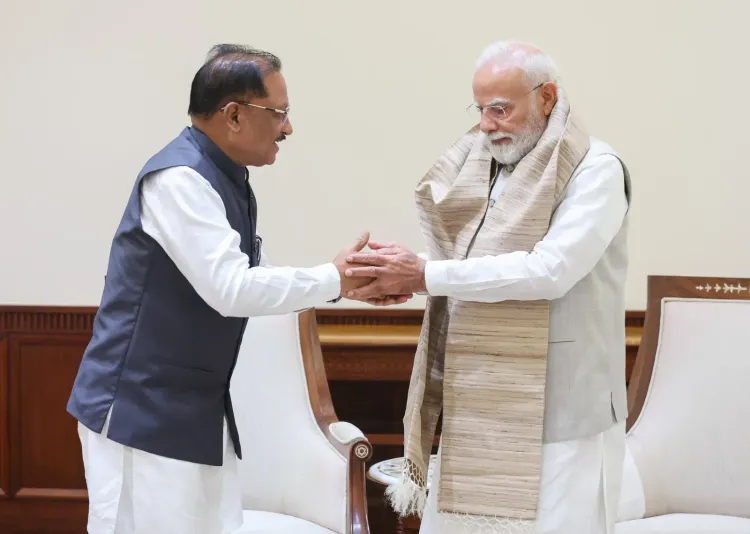
Chhattisgarh CM Vishnu Deo Sai met PM Modi at Parliament House on 31 July 2026, seeking central approval for a ₹10,500 crore urea plant in Rajnandgaon, grid connectivity for 461 villages, and an All India Institute of Ayurveda, while briefing the PM on Bastar's security-linked development turnaround.
Key Takeaways
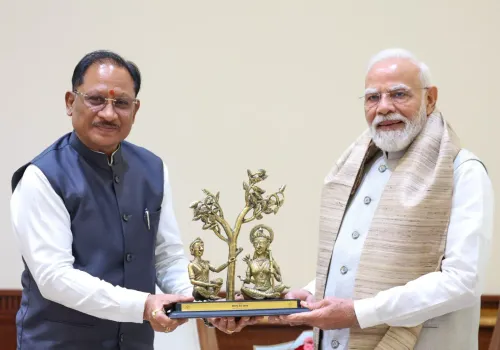
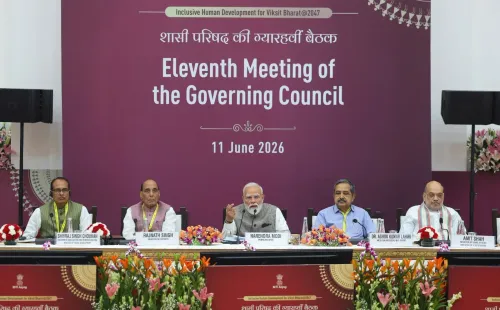
CM Vishnu Deo Sai met PM Narendra Modi at Parliament House on 31 July 2026 for a courtesy meeting focused on Chhattisgarh's development agenda.
Sai sought central approval for a ₹10,500 crore gas-based urea plant in Rajnandgaon to boost domestic fertiliser production.
The CM requested special support to connect 461 remote villages to permanent electricity grids.
An All India Institute of Ayurveda in Raipur or Bastar was proposed to anchor a national AYUSH institution in the state.
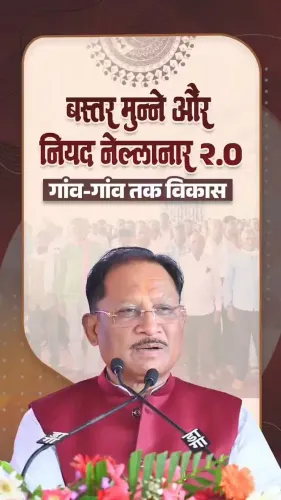
Schemes 'Niyad Nella Nar 2.0' and 'Bastar Munne' are claimed to be reaching approximately 39 lakh people in 5,542 villages , with 421 previously shut schools reopened.
Chhattisgarh has logged investment proposals worth approximately ₹8 lakh crore and launched a ₹500 crore State AI Mission .
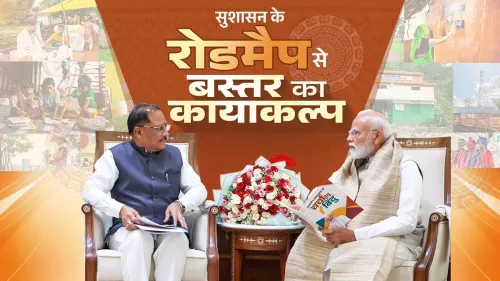
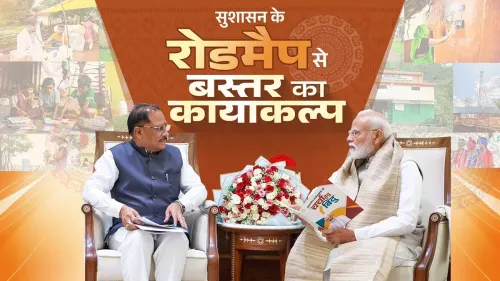
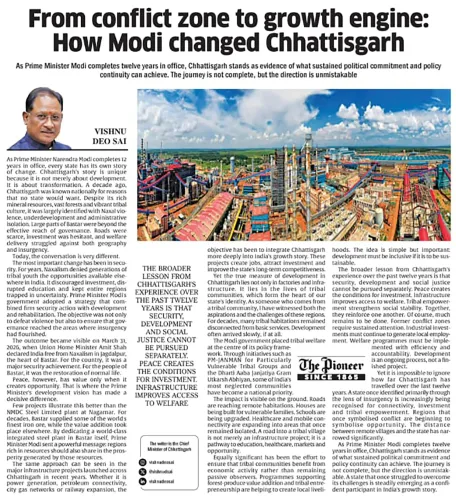
A southern Chhattisgarh that was once synonymous with Maoist violence is now the centrepiece of an ambitious state pitch to New Delhi. Chhattisgarh Chief Minister Vishnu Deo Sai met Prime Minister Narendra Modi at Parliament House on Friday, 31 July 2026, presenting a sweeping development agenda anchored in what his government calls the 'Bastar Vision' — a security-first, welfare-forward blueprint for the state's most conflict-scarred region.
The Three Asks on the Table
Sai placed three concrete requests before the Prime Minister. First, swift central approval for a ₹10,500 crore gas-based urea plant in Rajnandgaon — a project that, if cleared, would plug into the Centre's long-running push to cut India's dependence on imported fertiliser and boost domestic production. Second, special support to connect 461 remote villages to permanent electricity grids, carrying the rural electrification drive into Chhattisgarh's most inaccessible pockets. Third — and perhaps most symbolically loaded — the establishment of an All India Institute of Ayurveda in either Raipur or Bastar, a bid to anchor a national AYUSH institution in a state rich in forest-based medicinal resources.
Bastar's Numbers: What Sai Told the PM
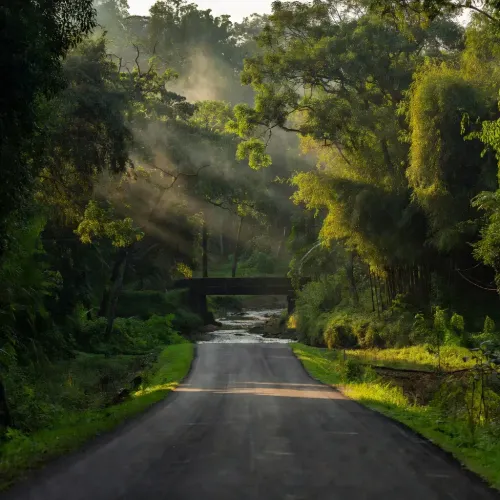
The Chief Minister briefed Modi on what his government describes as an 'unprecedented transformation' in Bastar, driven by a coordinated strategy of security, trust-building, and development. Under schemes named 'Niyad Nella Nar 2.0' and 'Bastar Munne', the state claims that governance schemes are now reaching approximately 39 lakh people across 5,542 villages. 421 schools that had been shut — many forced to close during years of Naxal pressure — have been reopened. Roads, rail links, power lines, health facilities, and even sports and tourism infrastructure are being expanded across the division.
Bastar has long been the hardest test of any Chhattisgarh government. That the CM chose it as the lead frame for a PM-level meeting signals how central the region's turnaround is to the BJP government's political identity in the state.
₹8 Lakh Crore Investment Pipeline and the AI Mission
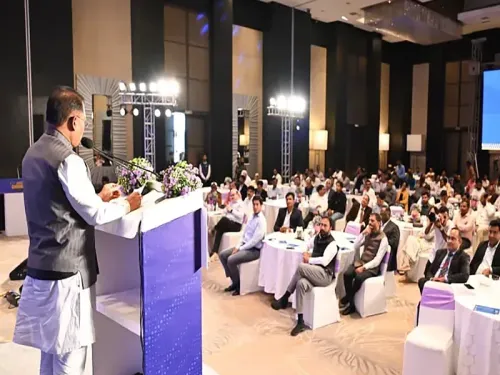
Beyond Bastar, Sai updated the Prime Minister on the broader economic picture. The state has attracted investment proposals worth approximately ₹8 lakh crore, supported by ease-of-doing-business reforms. Notably, Chhattisgarh has launched a ₹500 crore State AI Mission — a relatively rare move for a state government — positioning the administration as a technology-forward actor even as it wrestles with basic connectivity gaps in its tribal hinterland. Sai described the state's finances as strengthening and pointed to tech-driven, citizen-centric governance as a defining direction.
The meeting closed with Sai invoking the Centre's 'Viksit Bharat' framework, framing Chhattisgarh's ambitions as a direct contribution to the national vision. 'Our resolve is that the light of development reaches the last village and the last person,' he posted, 'and that Chhattisgarh emerges before the country as a new model of peace, prosperity, and possibility.'
The central approvals Sai is seeking — the Rajnandgaon urea plant, the grid connections, the AIIA campus — will be the real measure of how far this pitch lands.
Point of View
500 crore urea plant ask fits squarely within the Centre's fertiliser self-sufficiency push, improving its chances of clearance, while the AI Mission signals that even resource-economy states are competing on the technology-governance frontier. Watch whether these requests translate into budget allocations or remain aspirational — that gap will define the real weight of the meeting.
NationPress
14 Sept 2026
Frequently Asked Questions
What did Chhattisgarh CM Vishnu Deo Sai discuss with PM Modi on 31 July 2026?
CM Sai met PM Modi at Parliament House to discuss Chhattisgarh's overall development and the 'Bastar Vision.' He sought central approval for a ₹10,500 crore gas-based urea plant in Rajnandgaon, grid connectivity for 461 remote villages, and the establishment of an All India Institute of Ayurveda in Raipur or Bastar.
What is the Bastar Vision mentioned by CM Sai?
The Bastar Vision is Chhattisgarh's coordinated strategy of security, trust-building, and development for the Bastar division — a region historically affected by Left Wing Extremism. The government claims it has resulted in 421 previously closed schools being reopened and governance schemes reaching approximately 39 lakh people across 5,542 villages.
What is the Rajnandgaon urea plant project?
The Rajnandgaon urea plant is a proposed ₹10,500 crore gas-based fertiliser project for which CM Sai has sought swift central government approval. It aligns with the Centre's long-standing policy of promoting domestic urea production to reduce India's dependence on imported fertiliser.
What is Chhattisgarh's State AI Mission?
Chhattisgarh has launched a ₹500 crore State AI Mission aimed at integrating artificial intelligence into governance and citizen services — one of the few state-level AI initiatives of this scale in India.
What are the schemes Niyad Nella Nar 2.0 and Bastar Munne?
According to CM Sai's post, 'Niyad Nella Nar 2.0' and 'Bastar Munne' are Chhattisgarh government schemes designed to deliver welfare and governance programmes to remote tribal communities in the Bastar region, reportedly covering around 39 lakh people across 5,542 villages.