CM Sai Hails Bastar's Shift from Conflict to Growth
Synopsis
Chhattisgarh CM Vishnu Deo Sai on 13 June 2026 credited 12 years of PM Modi's leadership for turning Bastar from India's Maoist heartland into a zone of peace, connectivity, and investment, citing security, infrastructure, and tribal empowerment as the pillars of the state's transformation.
Key Takeaways
CM Vishnu Deo Sai on 13 June 2026 declared Bastar's shift from conflict zone to growth engine as proof of visionary governance.
The Chief Minister credited 12 years of PM Narendra Modi's leadership as the driving force behind the region's transformation.
Strengthened security, improved infrastructure, and tribal empowerment were cited as the four pillars of the new Chhattisgarh .
Central schemes including PMGSY and dedicated LWE funding have channelled road and rail connectivity into formerly inaccessible Bastar districts since 2014 .
The transformation mirrors parallel anti-insurgency development pushes in Jharkhand , Odisha , and parts of Andhra Pradesh .
Progress on industrial investment and tribal welfare allocations in Bastar will be the key metric of whether the growth narrative translates into measurable outcomes.
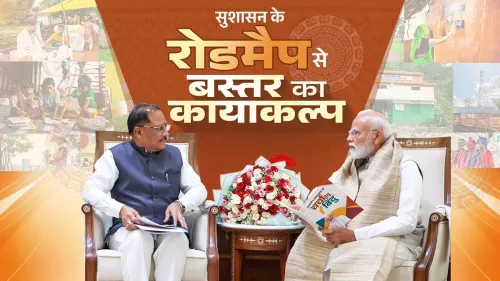
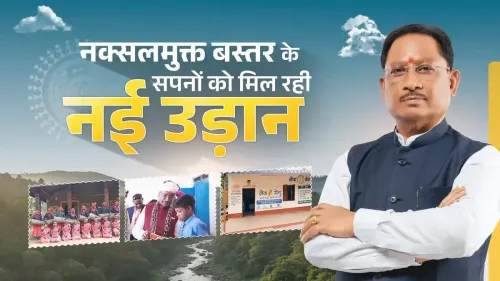
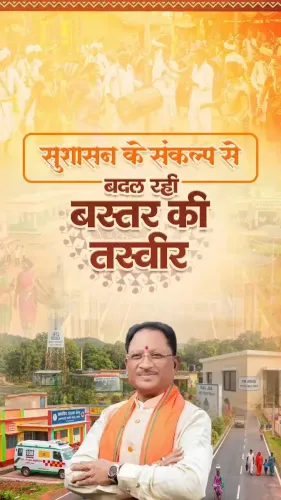
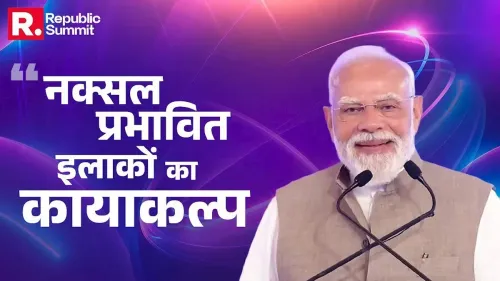
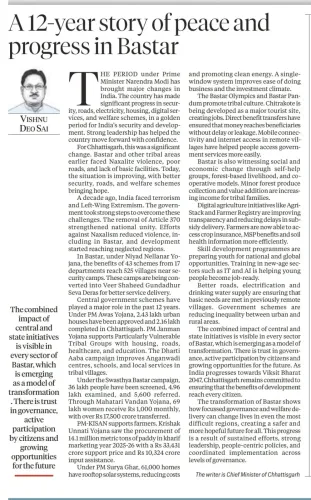
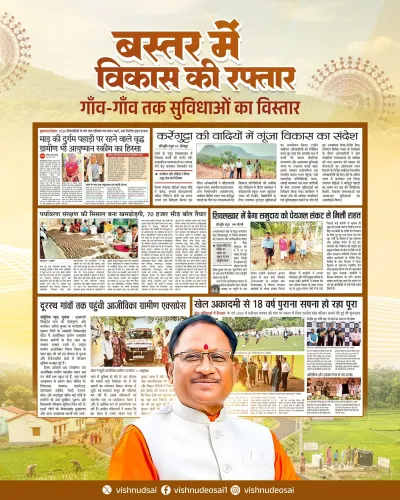
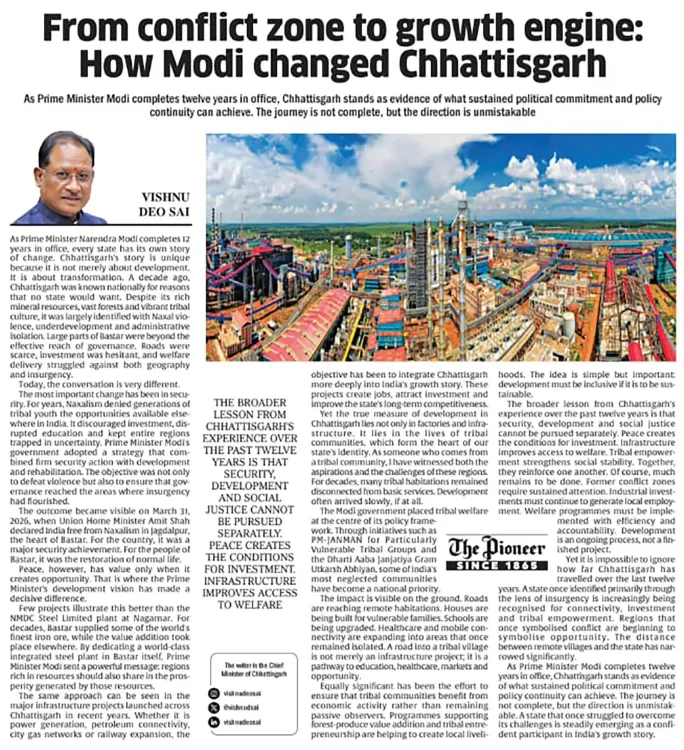
Chhattisgarh Chief Minister Vishnu Deo Sai on Saturday, 13 June 2026, credited 12 years of governance under Prime Minister Narendra Modi for transforming Bastar — once the epicentre of Maoist violence — into an emerging zone of peace, infrastructure, and investment. The Chief Minister made the remarks in a post on X, framing the region's journey as a testament to policy continuity and people-centric development.
Context
Bastar, a sprawling division in southern Chhattisgarh, spent decades as one of India's most conflict-affected regions, with Maoist insurgents controlling large swathes of forest territory and disrupting governance, education, and economic activity. The division became a symbol of the so-called Red Corridor — a belt of Left-Wing Extremism stretching across central and eastern India. CM Sai described the shift as moving 'from the shadows of violence towards a future of peace, connectivity, investment and opportunity.'
The post comes as Chhattisgarh, carved out as a separate state in November 2000, marks more than two decades of statehood, with the current BJP-led dispensation at both the state and central levels emphasising a unified governance narrative around tribal empowerment and security-led development.
Policy Backdrop
Since 2014, the central government has channelled dedicated funding into Left-Wing Extremism-affected districts through schemes such as the Pradhan Mantri Gram Sadak Yojana (PMGSY) and specialised LWE infrastructure programmes, prioritising road and rail connectivity in districts that had long been cut off from mainstream economic activity. Bastar and neighbouring districts were among the primary beneficiaries of this push, with new roads, bridges, and mobile connectivity projects announced in successive budget cycles.
The broader Indian counter-insurgency model has increasingly paired intensified security operations with welfare and infrastructure spending — a twin-track approach also visible in Jharkhand, Odisha, and parts of Andhra Pradesh, where improved road access and expanded schooling accompanied measurable declines in violence. CM Sai, who took charge in December 2023 after the BJP's return to power in Chhattisgarh, has consistently highlighted this continuity as a defining feature of the state's development arc.
Stakeholders and Impact
The communities most directly affected by the transformation are Chhattisgarh's tribal populations, who constitute a significant share of Bastar's residents and bore the heaviest burden of decades of conflict — facing displacement, restricted movement, and limited access to public services. Improved connectivity and security have begun to open the region to private investment and tourism, with state authorities positioning Bastar's forest landscape and cultural heritage as economic assets.
Private investors and industrial groups have also been identified as key stakeholders, with the state government signalling intent to attract manufacturing and mining-linked enterprises to a region rich in mineral and forest resources. Tribal welfare allocations and land-use frameworks remain sensitive policy areas that will shape how equitably the growth dividend is distributed.
What's Next
Attention will turn to the pace of delivery on announced road, rail, and industrial projects across Bastar division, as well as the outcomes of any upcoming central-state investment summits. Parliamentary and assembly discussions on tribal welfare budgets and security funding in the next budget cycle will serve as a practical measure of whether the political narrative of transformation is matched by on-ground allocations. The trajectory of Chhattisgarh is being watched as a potential model for other states still grappling with Left-Wing Extremism, making its governance choices consequential well beyond its own borders.
Point of View
Reinforcing a BJP narrative of development-as-governance ahead of future electoral cycles. The framing of Bastar as a 'conflict zone turned growth engine' is consistent with a broader party strategy of presenting tribal and LWE-affected regions as success stories of double-engine government — where aligned state and central administrations claim compounded dividends. By invoking 'policy continuity' rather than specific schemes or statistics, the post sidesteps the scrutiny that precise claims would invite while still projecting momentum. The real test of the narrative will come from independent assessments of tribal land rights, displacement data, and the pace of actual project completion in Bastar's most remote districts.
NationPress
19 Sept 2026
Frequently Asked Questions
What has changed in Bastar Chhattisgarh in recent years?
Bastar, once India's most prominent Maoist conflict zone, has seen significant improvements in road and rail connectivity, security, and welfare delivery since 2014, with the central and state governments channelling dedicated funds into the region under LWE infrastructure schemes and PMGSY.
Who is Vishnu Deo Sai and what is his role?
Vishnu Deo Sai is the Chief Minister of Chhattisgarh, in office since December 2023. A senior BJP leader, he previously served as a Union Minister and has made Bastar's transformation a central theme of his administration.
What is the Red Corridor and does it include Chhattisgarh?
The Red Corridor refers to a belt of districts across central and eastern India historically affected by Left-Wing Extremism or Maoist insurgency. Chhattisgarh, particularly its Bastar division, was among the most severely affected areas for several decades.
What schemes has the central government used for Bastar development?
The central government has directed funds through the Pradhan Mantri Gram Sadak Yojana (PMGSY) and specialised LWE infrastructure programmes to improve road connectivity, mobile coverage, and public services in Bastar and other affected districts.
Is Chhattisgarh free of Naxal violence now?
Security conditions in Chhattisgarh's Bastar region have improved markedly, with government authorities reporting reduced incidents of Maoist violence, but a complete end to Left-Wing Extremism in the state has not been officially declared and ground conditions continue to be monitored.