PM Modi Celebrates Diwali with Jawans at Bastar's COBRA Base
Synopsis
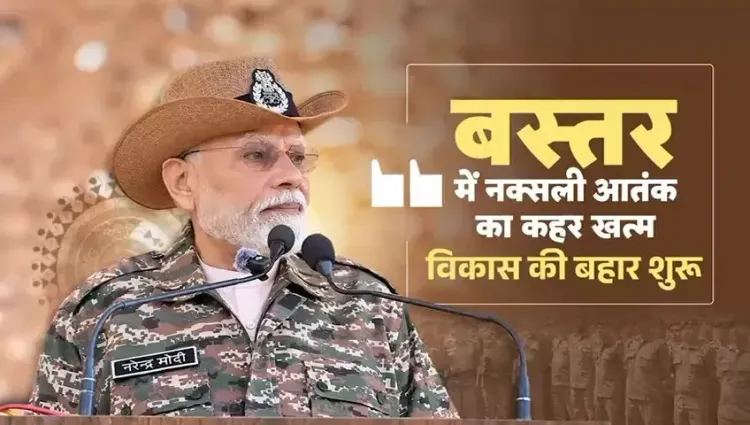
Prime Minister Narendra Modi spent Diwali 2026 at the COBRA Operations Base in Bastar, Chhattisgarh, telling jawans that their sacrifice had ended Naxal terror on this land and ushered in an era of development.
Key Takeaways
PM Narendra Modi celebrated Diwali on 8 November 2026 with security forces at the COBRA Operations Base, Bastar , Chhattisgarh.
Modi declared that the Naxal terror that once ravaged Bastar has been ended through the sacrifice of the security forces.
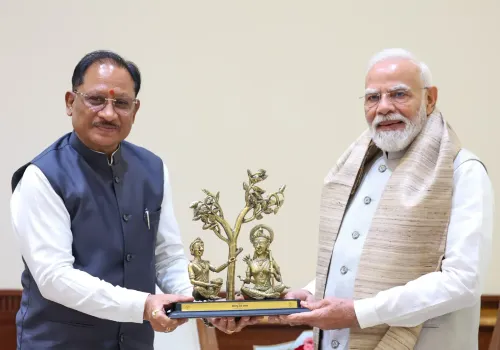
The visit was shared by the Chief Minister's Office of Chhattisgarh , with CM Vishnu Deo Sai named in the post's hashtags.
CRPF COBRA battalions are specialist jungle-warfare units that have led anti-Naxal operations in Bastar for over a decade.
The Union government has pursued a combined security-and-development approach in Naxal-affected areas since 2014 .
Bastar has historically recorded the highest concentration of Naxal incidents in India, making the visit a pointed symbolic milestone.
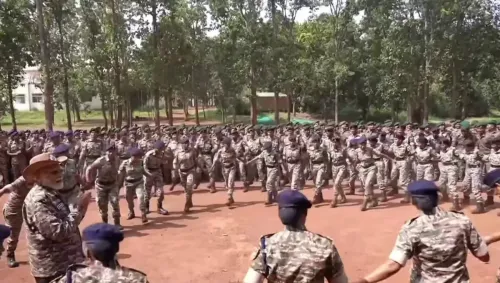
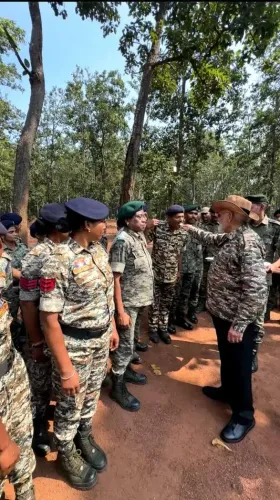
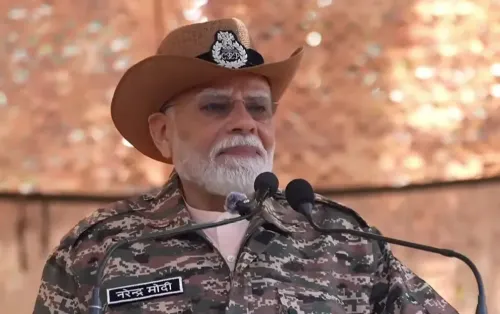
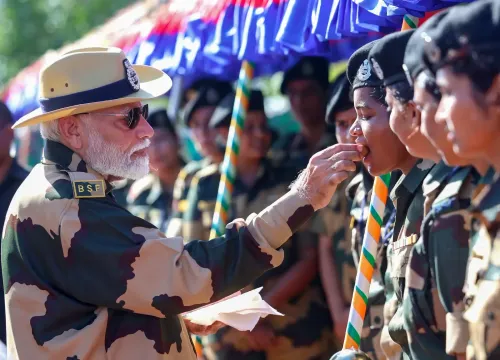
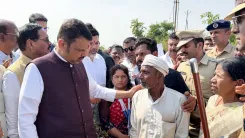
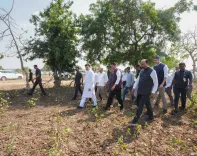
In a striking symbolic move, Prime Minister Narendra Modi chose the dense forests of Bastar, Chhattisgarh, as his Diwali destination this year — not a state capital, not a ceremonial hall, but a forward operations base deep inside what was once India's most dangerous Naxal heartland. He celebrated the festival on Sunday, 8 November 2026 with security personnel at the COBRA Operations Base, Bastar, a declaration in itself.
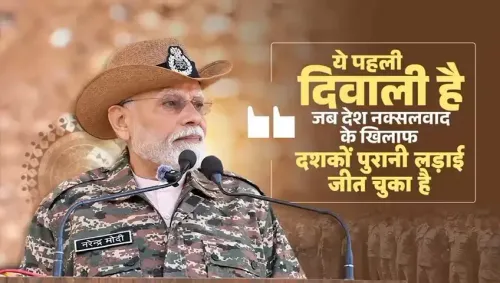
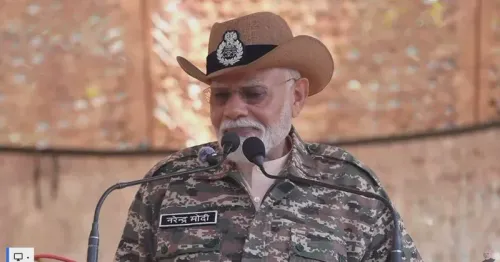
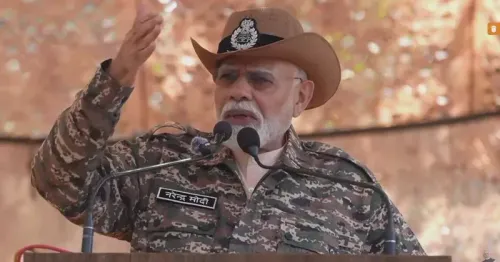
The Chief Minister's Office of Chhattisgarh shared the Prime Minister's address to the troops verbatim: 'Mere veer jawano, is baar main Diwali manaane Bastar ke jangalon mein aaya hoon' — 'My brave soldiers, this time I have come to celebrate Diwali in the forests of Bastar.' Modi told the assembled jawans that this very land, once ravaged by the terror of Naxalism, had been transformed by their sacrifice — and that the tide of development had now begun flowing where the shadow of insurgency once fell.
COBRA Base Bastar: Where the Anti-Naxal Battle Was Fought and Won
The COBRA — Commando Battalion for Resolute Action — units of the Central Reserve Police Force (CRPF) have been the spearhead of jungle warfare operations in Bastar for over a decade. These are specialist forest-combat battalions trained specifically to operate in the kind of terrain where conventional policing fails. A Diwali visit by the Prime Minister to their forward base is not just a morale gesture — it is a political and strategic statement about the state of the insurgency.
Bastar has historically accounted for the highest concentration of Naxal incidents in the country. Its forests, stretching across southern Chhattisgarh, served as the operational backbone of the Communist Party of India (Maoist) and were the site of some of the deadliest ambushes on security forces in Indian history. The transformation the Prime Minister invoked is real in its broad direction: successive operations, infrastructure drives, and welfare expansion have progressively squeezed the insurgency's geographic and logistical base.
Modi's Security-Plus-Development Doctrine in Chhattisgarh
Since 2014, the Union government has pursued what officials describe as a twin-track approach — sustained paramilitary pressure on Naxal cadres alongside accelerated road construction, telecom connectivity, and welfare delivery in cleared areas. Chief Minister Vishnu Deo Sai, whose name appears in the post's hashtags, has aligned the state administration closely with this federal push, emphasising development dividends in districts no longer under active Naxal shadow.
The Diwali visit amplifies that narrative: by standing in the jungle in a CRPF base rather than a circuit house, Modi is staging the message that the forest itself has changed hands — from insurgency to the Indian state. The hashtags #NaxalFreeIndia and #NaxalFreeBastar make the political intent explicit. Tribal communities across Bastar, who bore the brunt of both Naxal violence and the conflict's collateral costs, stand as the ultimate measure of how complete that transformation is.
Jawans, Sacrifice, and the Symbolism of Diwali in the Forest
Diwali visits to border posts and forward bases have become a Modi signature across his tenure — from Siachen to the Line of Actual Control. This year's choice of Bastar marks a subtle but pointed pivot: the internal security front, long overshadowed by the external borders in public imagination, is being placed centre-stage. The Prime Minister's framing — 'your sacrifice ended the terror, and now development is blooming' — positions the security forces not merely as combatants but as the architects of a post-insurgency order.
The watch-now question is what comes next: official declarations on newly Naxal-free districts, fresh road and telecom rollouts, and whether the momentum of operations translates into durable governance reach in the deep forest zones of Bastar. The jawans celebrating Diwali in the jungle tonight are both the story's heroes and its unfinished business.
Point of View
He weaves the security narrative into a development dividend story ahead of what are likely to be continued official declarations on Naxal-free districts. The visit also reinforces CM Vishnu Deo Sai's political positioning in Chhattisgarh, tying state-level governance to a nationally visible security success. The harder test, however, lies in whether durable state capacity — schools, roads, healthcare, legal access — has genuinely followed the paramilitary advance into the deep forest.
NationPress
8 Nov 2026
Frequently Asked Questions
Why did PM Modi go to Bastar for Diwali 2026?
PM Modi chose Bastar to celebrate Diwali with CRPF COBRA jawans at their forward operations base, symbolising the government's claim that Naxal terror in the region has been defeated through the security forces' sacrifice.
What is the COBRA Operations Base in Bastar?
COBRA stands for Commando Battalion for Resolute Action — a specialist CRPF jungle-warfare unit. Its Bastar base is a forward operating post used to conduct anti-Naxal operations in the dense forests of southern Chhattisgarh.
Is Bastar Naxal-free now?
The Indian government and Chhattisgarh state authorities have reported a significant reduction in Naxal activity in Bastar following sustained operations and development drives. PM Modi's visit and the hashtags used by the CMO signal the government's position that the insurgency has been decisively weakened, though ground-level assessments of complete eradication continue to evolve.
What is Vishnu Deo Sai's role in the Naxal fight in Chhattisgarh?
Vishnu Deo Sai is the Chief Minister of Chhattisgarh and has aligned the state administration closely with the Union government's combined security-and-development approach to Left Wing Extremism, promoting development projects in areas cleared of Naxal presence.
What is India's policy on Left Wing Extremism?
Since 2014, the Union government has pursued a twin-track approach: expanding paramilitary deployments — especially CRPF COBRA units — against Naxal groups, while simultaneously accelerating road construction, telecom connectivity, and welfare delivery in cleared districts.