CM Fadnavis Visits Drought-Hit Kohali, Vows No Farmer Left Behind
Synopsis
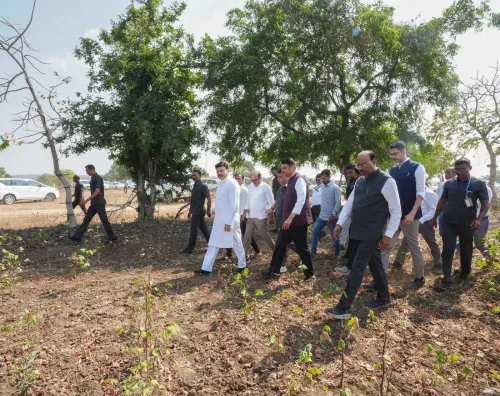
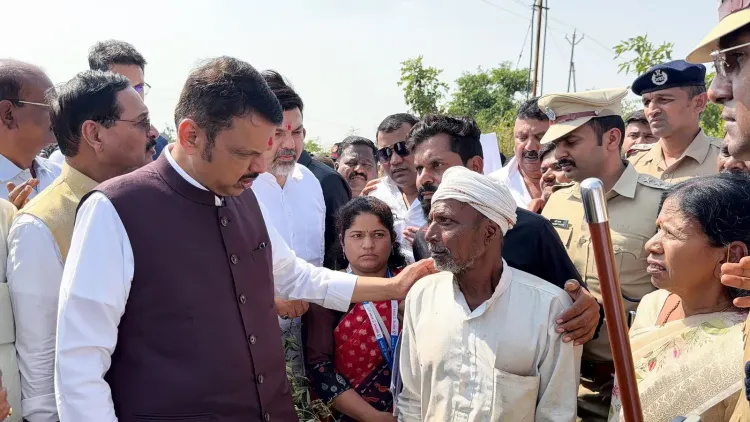
Chief Minister Devendra Fadnavis visited drought-affected Kohali village in Nagpur's Kalameshwar taluka on 8 November 2026, inspected cotton and tur crops damaged by prolonged dry weather at farmer Baburao Kale's field, and assured that no farmer in distress would be denied state relief.
Key Takeaways
CM Devendra Fadnavis conducted a field visit to Kohali village, Kalameshwar taluka, Nagpur district on 8 November 2026 .
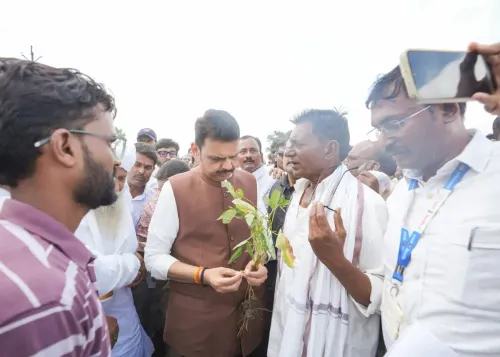
He inspected drought-damaged cotton and tur crops at the farm of Baburao Kale .
Prolonged absence of rainfall has caused large-scale crop damage in the area, according to the official post.
Fadnavis assured that no farmer in distress would be denied relief assistance.
The visit also covered an inspection of water conservation works in the region.
The state's Jalyukt Shivar Abhiyan , launched in 2016 , underpins ongoing water-harvesting infrastructure in Vidarbha.
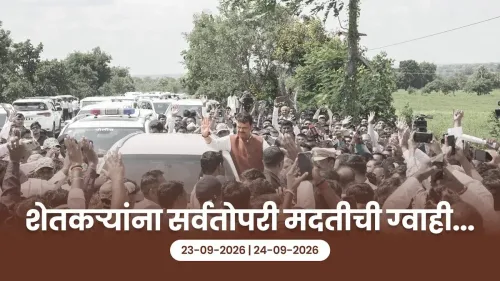
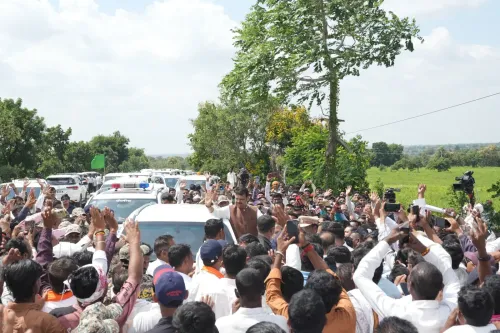
With cotton and tur crops withering in unirrigated fields, Chief Minister Devendra Fadnavis walked into a struggling farm in Kohali village, Kalameshwar taluka, Nagpur district on Sunday, 8 November 2026 — a rare field visit that carries both a policy signal and a political message deep in Vidarbha's drought belt.
The Chief Minister's Office confirmed that Fadnavis personally inspected the standing crops of farmer Baburao Kale, surveying the damage caused by a prolonged dry spell this season. The post stated plainly: 'दीर्घकाळ पाऊस न झाल्यामुळे पिकांचे मोठ्या प्रमाणात नुकसान झाले आहे' — 'Due to prolonged absence of rainfall, crops have suffered damage on a large scale.' Fadnavis gave farmers a direct assurance: not a single farmer in distress would be denied relief.
Why Vidarbha's Cotton and Tur Fields Are So Vulnerable
Nagpur district sits at the heart of the Vidarbha region, Maharashtra's eastern agricultural belt, where rain-fed cotton and tur (pigeon pea) dominate the cropping calendar. Both crops depend almost entirely on the southwest monsoon — when that monsoon falters, farmers have almost no fallback. Successive dry spells over recent years have made Vidarbha a recurring flashpoint for agrarian distress, farm debt, and, at its worst, farmer suicides.
The state has historically responded through a combination of crop-loss ex-gratia payments, insurance payouts under the Pradhan Mantri Fasal Bima Yojana, and water-harvesting infrastructure. During Fadnavis's earlier tenure, the government launched the Jalyukt Shivar Abhiyan in 2016 — a village-level water conservation programme designed to reduce exactly this kind of monsoon-dependency by building check dams, deepening streams, and recharging groundwater. Sunday's visit included an inspection of ongoing water conservation works in the area, signalling that the infrastructure push remains live.
Fadnavis's Drought-Visit Protocol — and What Comes Next
Chief ministerial field visits to assess standing crops are a well-established part of Maharashtra's drought-response playbook — they generate ground-level damage data, signal political accountability to affected communities, and typically precede formal relief announcements. The visit's timing, tagged #DiwaliWithFarmers, adds a pointed human dimension: Fadnavis arriving in fields while most of urban India is in festival mode.
The immediate watch-point is whether the state follows this visit with a formal crop-loss compensation package for Kalameshwar taluka and the broader Nagpur district, and whether Vidarbha figures in any supplementary budget allocations during the upcoming winter session of the state legislature. The Chief Minister's public assurance — that no farmer will be left without help — now becomes a political and administrative benchmark against which relief delivery will be measured.
Point of View
A region with a long, painful history of agrarian distress, the optics of a sitting CM standing beside a farmer's withered cotton crop carry real political weight. The 'no farmer left behind' pledge, however, now creates a measurable commitment: relief disbursement in Kalameshwar taluka will be watched closely as a test of delivery over symbolism. The visit also revives attention on water conservation infrastructure as a structural drought-proofing tool — the question is whether allocations in the winter session match the field-level urgency the CM himself has now acknowledged.
NationPress
8 Nov 2026
Frequently Asked Questions
Why did CM Fadnavis visit Kohali village in Nagpur?
CM Devendra Fadnavis visited Kohali village in Kalameshwar taluka, Nagpur district, on 8 November 2026 to inspect drought-damaged cotton and tur crops and assess water conservation works, pledging that no affected farmer would be denied state relief.
What crops have been damaged by drought in Nagpur's Kalameshwar taluka?
Cotton and tur (pigeon pea) crops in Kohali village, Kalameshwar taluka have suffered large-scale damage due to a prolonged absence of rainfall during the current season.
What is Jalyukt Shivar Abhiyan and how does it relate to Vidarbha droughts?
Jalyukt Shivar Abhiyan is a village-level water conservation programme launched by the Fadnavis government in 2016, aimed at building check dams and recharging groundwater to reduce rain-fed agriculture's vulnerability to monsoon deficits in regions like Vidarbha.
What relief has the Maharashtra government promised to drought-hit farmers in Nagpur?
Chief Minister Fadnavis publicly assured during the 8 November visit that no farmer in distress would be denied assistance; specific compensation package details are expected to follow as part of the state's formal drought-response process.
What is the significance of Vidarbha's drought problem in Maharashtra?
Vidarbha, in eastern Maharashtra, is a rain-fed agricultural belt heavily dependent on cotton and tur cultivation; recurring monsoon failures here have historically led to crop losses, farm debt, and acute agrarian distress, making it a persistent policy priority for successive state governments.