CM Fadnavis Chairs Drought Review With Central Teams
Synopsis
Maharashtra CM Devendra Fadnavis chaired a meeting with central drought-assessment teams on October 11, 2026. Three teams assessed crop and water conditions across districts. Soybean, cotton, tur and sugarcane face severe damage. Union Minister Amit Shah assured expedited federal relief.
Key Takeaways
Three central teams conducted ground-level drought assessments across multiple Maharashtra districts, interacting directly with farmers.
Crops most severely damaged include soybean, cotton, tur and sugarcane , threatening livelihoods of farmers and farm labourers.
A technology-driven tanker supply system is being planned, with water reserved primarily for drinking needs and separate livestock allocations.
Union Minister Amit Shah assured expedited central assistance to Maharashtra for drought relief measures.
Relief measures span employment generation, food security, drinking water supply and livestock support, including fodder camps.
Desilting and rejuvenation of water bodies will be taken up alongside fodder procurement and storage to mitigate the longer-term crisis.
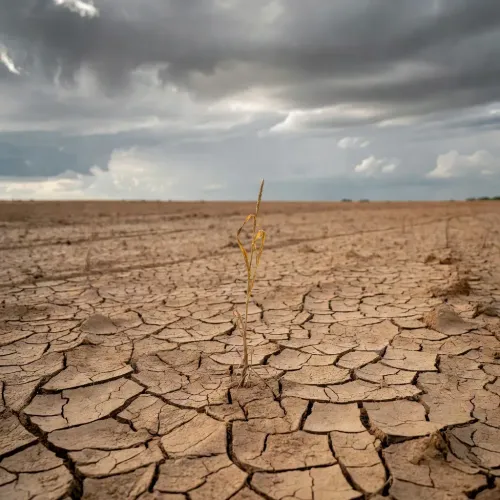
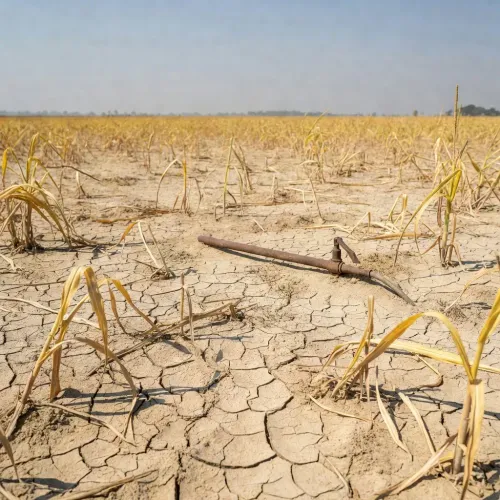
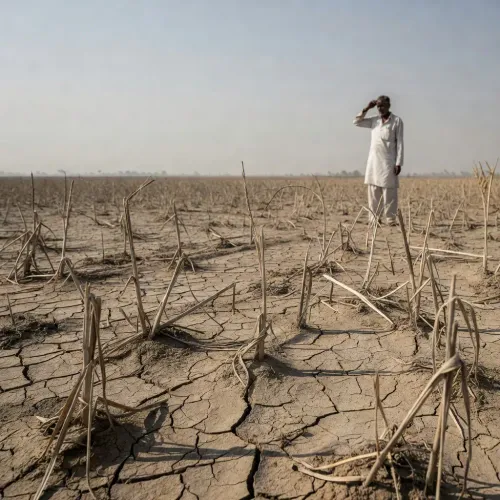
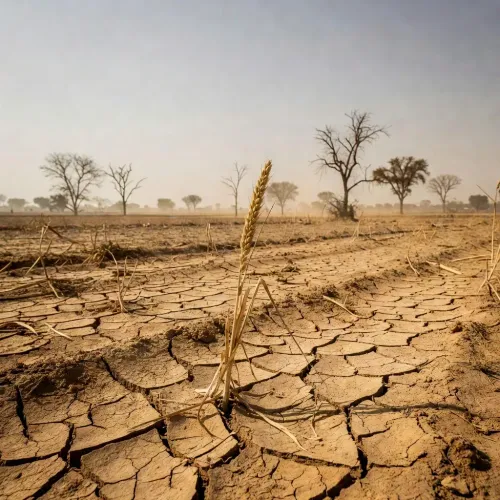
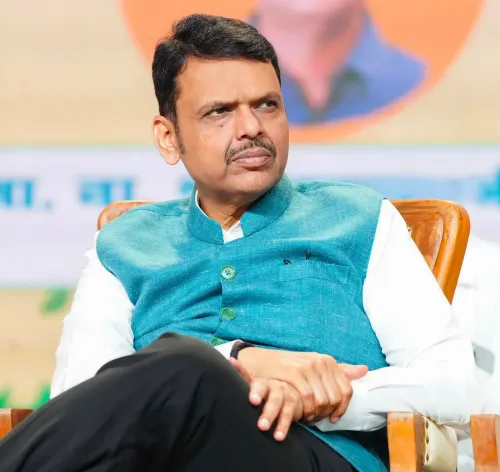
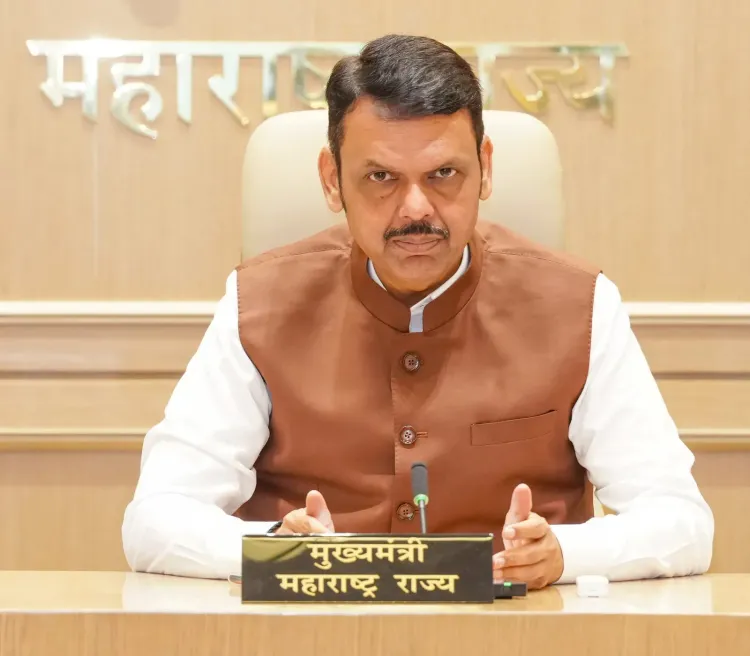
Crops are withering, wells are running dry, and farmers across Maharashtra are staring at a ruined season — and on Sunday, October 11, 2026, Maharashtra Chief Minister Devendra Fadnavis chaired a high-level meeting with the central assessment teams dispatched to gauge the depth of the crisis firsthand.
Central Teams Fan Out Across Drought-Hit Districts
Three central teams travelled to drought-affected villages spanning multiple districts, walking damaged fields and sitting with farmers to record their immediate concerns. The on-ground assessment covered agricultural conditions and water availability — a granular exercise designed to build the evidentiary case for federal relief. Chief Minister Fadnavis described the situation as 'an exceptionally challenging drought situation this year.'
The crops bearing the heaviest losses are soybean, cotton, tur and sugarcane — the four pillars of Maharashtra's rural economy — all severely damaged by a prolonged dry spell. Farm labourers, who lack the land-ownership that even distressed farmers hold as collateral, are listed explicitly by the state government as a priority group alongside farmers and rural communities.
What Relief Is Actually Being Planned
The government's announced response package covers four pillars: employment generation, food security, drinking water supply, and livestock needs. On the water front, a transparent, technology-driven tanker supply system is being designed, with available water ring-fenced first for drinking purposes and separate allocations carved out for citizens and livestock. The distinction matters — in past Maharashtra droughts, livestock mortality has compounded the crisis far beyond the fields.
Longer-term mitigation will include desilting and rejuvenation of water bodies, expanded fodder production, procurement and storage infrastructure, and fodder and cattle camps — measures that simultaneously address the immediate shortage and generate rural employment in communities where daily wages have collapsed.
Shah's Assurance and the Federal Pressure Point
The political signal from New Delhi is notable. Union Home and Cooperation Minister Amit Shah has, according to Fadnavis, assured 'expedited assistance so that farmers are able to avail relief measures at the earliest.' That guarantee, made to a state government from the same political formation, now becomes a public commitment — one that will be measured against the speed at which central funds and resources actually reach affected taluka offices.
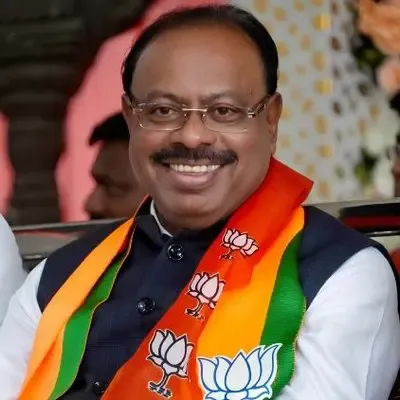
Present at the review meeting were Minister Girish Mahajan, Minister Dattatray Bharane, Minister Makrand Jadhav-Patil, and senior state officials. Their collective presence signals that the state is treating this not as a department-level emergency but a cabinet-level one.
Maharashtra's history with drought is long and brutal. The Marathwada and Vidarbha belts have endured recurring agricultural distress across decades, making the combination of farmer suicides, crop loss and drinking-water scarcity a politically live wire. How quickly relief moves from reviewed minutes to a farmer's bank account is the only metric that will matter in the weeks ahead.
Point of View
And with soybean, cotton, tur and sugarcane all damaged in a single season, the political stakes ahead of any future election cycle are considerable. The technology-driven tanker system and desilting focus suggest the state is attempting to build durable water infrastructure alongside immediate relief, a departure from the reactive cheque-book approach of past drought responses. Whether federal funds clear quickly enough to prevent distress migration and farm-gate defaults will define whether this meeting is remembered as a turning point or a photo opportunity.
NationPress
11 Oct 2026
Frequently Asked Questions
Which crops are most affected by the Maharashtra drought in 2026?
Soybean, cotton, tur (pigeon pea) and sugarcane have sustained the most severe damage due to a prolonged dry spell across Maharashtra this season.
What central assistance is Maharashtra getting for drought relief?
Union Home and Cooperation Minister Amit Shah has assured expedited central assistance to Maharashtra. Three central teams have already assessed drought conditions on the ground across multiple districts.
What is the Maharashtra government's plan for drinking water during the drought?
The state is planning a transparent, technology-driven tanker supply system with available water reserved primarily for drinking purposes and separate allocations made for citizens and livestock.
Which ministers attended the Maharashtra drought review meeting?
Ministers Girish Mahajan, Dattatray Bharane and Makrand Jadhav-Patil attended the meeting chaired by Chief Minister Devendra Fadnavis, along with senior state officials.
How will Maharashtra support livestock during the drought?
The government plans fodder production, procurement and storage programmes alongside fodder and cattle camps, with separate water allocations for livestock under the planned tanker supply system.