Iran FM: US-Israeli strikes on energy sites created serious environmental hazards
Synopsis
Iran's Foreign Minister used an international ecocide conference in Tehran to charge that US-Israeli strikes on Iranian energy infrastructure caused toxic chemical releases confirmed by the UNEP — framing wartime environmental destruction as a silent war crime. Simultaneously, President Trump said the US could exit the seven-month conflict only after securing ironclad guarantees that Iran will never build a nuclear weapon.
Key Takeaways
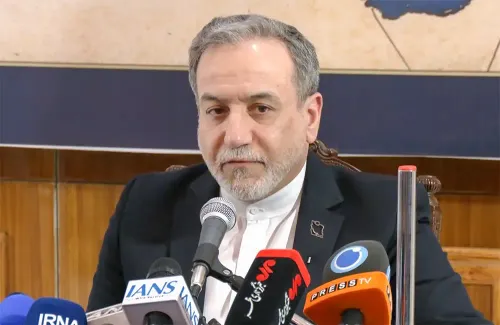
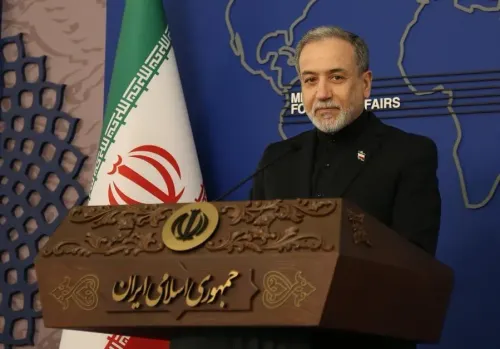
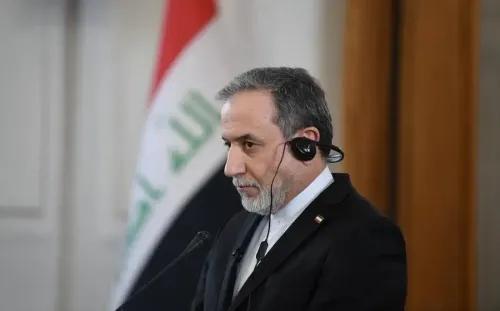
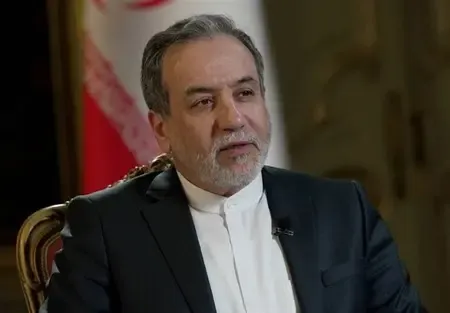
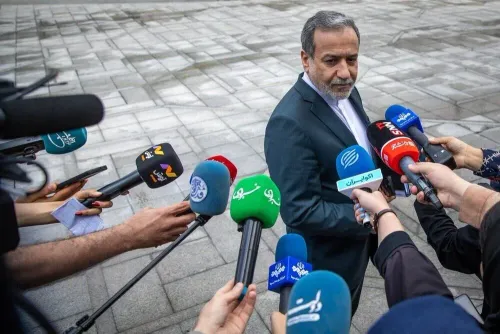
Iranian Foreign Minister Seyed Abbas Araghchi on 11 October 2026 said US-Israeli strikes on Iran's energy facilities created serious environmental hazards.
The United Nations Environment Programme (UNEP) reportedly confirmed that fires from the attacks released dangerous chemical compounds into air, soil, and water.
Araghchi warned pollutants can enter the food chain and outlast 'both the time and place of the attack.' US President Donald Trump said the US could end military involvement in Iran but only with guarantees Tehran will never acquire nuclear weapons.
Trump confirmed 18 American personnel have been killed during the nearly seven-month conflict.
Trump suggested the conflict 'could soon come to an end,' though specific terms for an exit remain undefined.
Iranian Foreign Minister Seyed Abbas Araghchi on Sunday, 11 October 2026 declared that US-Israeli military strikes on Iran's oil, refinery, and energy facilities during the 40-day war have generated serious environmental hazards — a charge he levelled at an international conference in Tehran backed by findings from the United Nations Environment Programme (UNEP).
Key Declarations at the Tehran Conference
Speaking at the International Conference on 'Ecocide, A Silent War Crime', Araghchi stated that fires and the burning of hydrocarbon materials triggered by the attacks released dangerous chemical compounds, as confirmed by the UNEP. He warned that the released pollutants can travel through air to soil and water, potentially entering the food chain, and stressed that their impacts 'can outlast both the time and place of the attack.'
Araghchi also pointed to what he described as the 'deep and persistent' environmental toll of military operations in Gaza and Lebanon, arguing that international law must not ignore wartime destruction of the environment and fundamental human rights.
Trump's Conditions for Ending US Military Involvement
Meanwhile, US President Donald Trump signalled that American military engagement in Iran could end — but only with firm guarantees that Tehran would never acquire nuclear weapons. Speaking to reporters at Joint Base Andrews after returning from a campaign rally in Tennessee, Trump said: 'We could leave right now, but we have to guarantee that they can't have it in the future. And we'll get that.'
When asked why he would not declare outright victory after claiming US operations had prevented Iran from developing nuclear weapons, Trump said the threat had to be permanently contained: 'Because I have to keep it that way. I don't want to do it in two years. We have to have a guarantee that they won't have it in the future.'
Seven Months In: Casualties and Claims
Trump earlier addressed supporters in Clarksville, Tennessee, presenting the military campaign as a major achievement of his administration while acknowledging American losses. He noted the conflict had stretched for nearly seven months, contrasting its duration and casualties with earlier American wars in Vietnam and Afghanistan. 'We have wounded, but we've stopped them from having a nuclear weapon,' he told supporters, referencing 18 American personnel he said had been killed in the conflict.
The Ecocide Dimension: What Experts Are Watching
The framing of environmental destruction as a 'silent war crime' marks a significant escalation in how Iran is choosing to prosecute its case on the international stage. The UNEP's reported confirmation of hazardous chemical releases from the burning of hydrocarbons adds institutional weight to Tehran's narrative. Notably, international legal frameworks on 'ecocide' remain nascent — no binding global treaty yet criminalises large-scale environmental damage during armed conflict — which means Iran's push at conferences like this one is as much about norm-building as immediate accountability.
What Comes Next
With Trump publicly suggesting the seven-month conflict 'could soon come to an end' while simultaneously insisting on nuclear guarantees, the contours of a potential endgame are beginning to emerge — though significant gaps between Washington's conditions and Tehran's position remain. Diplomatic observers will closely track whether any formal framework for nuclear verification is proposed, and whether the environmental damage claims raised by Araghchi are taken up at UN forums.
Point of View
Tehran is building a record for future international legal proceedings — even as binding ecocide law remains uncodified globally. The more immediate tension, however, lies in Trump's nuclear-guarantee precondition: it sets an exit bar that is almost impossible to verify in the short term, raising the risk that 'soon' in Trump's framing means something far more elastic than markets or regional actors may price in. The gap between Tehran's environmental grievance narrative and Washington's nuclear-fixated exit logic suggests these two governments are not yet negotiating the same conflict.
NationPress
11 Oct 2026
Frequently Asked Questions
What environmental hazards did Iran's FM say were caused by US-Israeli strikes?
Iranian Foreign Minister Seyed Abbas Araghchi said the strikes on Iran's oil, refinery, and energy facilities triggered fires that burned hydrocarbon materials, releasing dangerous chemical compounds. According to a statement from Iran's Foreign Ministry, the UNEP confirmed these releases, and Araghchi warned the pollutants can spread through air, soil, and water — potentially entering the food chain.
What is the 'ecocide' conference where Araghchi spoke?
The International Conference on 'Ecocide, A Silent War Crime' was held in Tehran on 11 October 2026. It served as a platform for Iran to frame wartime environmental destruction — including damage in Gaza and Lebanon — as a violation of international law, even though no binding global treaty currently criminalises ecocide during armed conflict.
What conditions has Trump set for ending US military involvement in Iran?
President Trump said the United States could end its military involvement in Iran immediately but would not do so without guarantees that Tehran would never acquire nuclear weapons. He stated: 'We could leave right now, but we have to guarantee that they can't have it in the future.'
How long has the US been militarily involved in Iran, and what are the casualties?
According to Trump's remarks, the United States has been engaged in the conflict for nearly seven months. Trump said 18 American personnel have been killed during the campaign, and noted there have also been wounded soldiers.
What happens next in the US-Iran conflict?
Trump has suggested the conflict could soon come to an end, but has conditioned any exit on verifiable nuclear guarantees from Iran — terms that remain unspecified. Diplomatic observers are watching for any formal nuclear verification framework and whether Iran pursues its environmental damage claims at UN forums.