Is Iran Ready to Advance Its Peaceful Nuclear Energy Program?
Synopsis
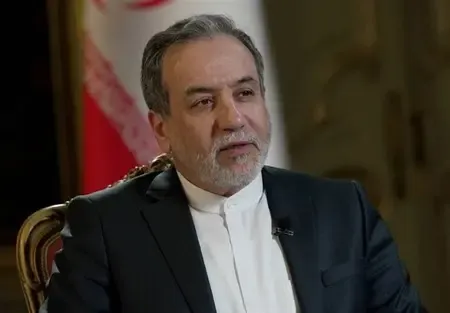
Iran's Foreign Minister, Seyed Abbas Araghchi, asserts the nation's unwavering commitment to its peaceful nuclear energy program while condemning recent attacks that damaged facilities. He emphasizes the right to peaceful nuclear technology, drawing parallels with Japan, and expresses a desire for enhanced cooperation and safety measures.
Key Takeaways
Iran is committed to its peaceful nuclear energy program.
Recent airstrikes have severely damaged Iranian nuclear facilities.
Iran seeks collaboration with Japan for nuclear safety improvements.
Resumption of nuclear talks with the US depends on Washington’s approach.
Khamenei dismisses rumors of communication with the US through intermediaries.
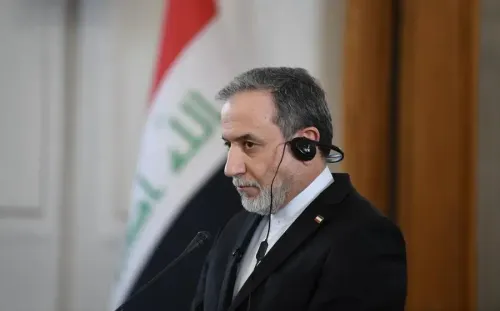
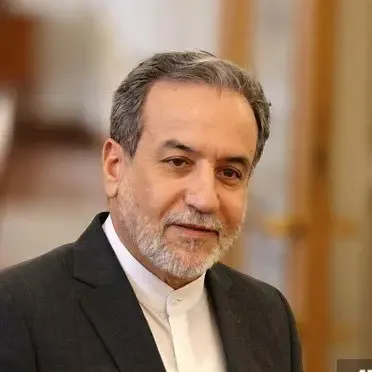
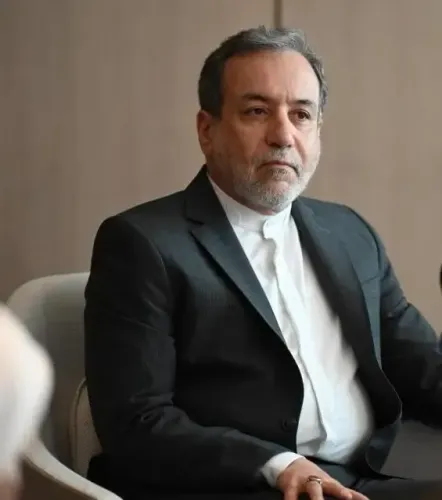
Tehran, Dec 8 (NationPress) Iran's Foreign Minister Seyed Abbas Araghchi has reiterated Tehran's commitment to pursue its peaceful nuclear energy program, emphasizing that it was the facilities—not Iran's nuclear technology—that were compromised during the attacks, according to local media reports.
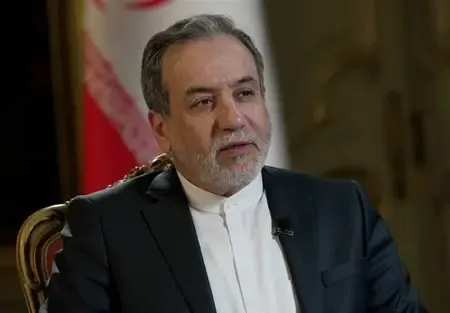
In an exclusive interview with Japan's Kyodo News, Araghchi stated, "We are a devoted member of the NPT and possess every right to utilize nuclear technology peacefully, similar to Japan. Japan, too, is a dedicated NPT member enjoying its rights to peaceful nuclear use."
Highlighting that Iranian nuclear facilities were "destroyed and severely impacted" by US and Israeli airstrikes in June, Araghchi condemned these actions as blatant violations of international law, given that the facilities were under the oversight of the International Atomic Energy Agency (IAEA).
He expressed concerns about the safety of the impacted nuclear facilities and urged Japan to share its expertise regarding past atomic incidents to enhance their protection, as reported by the Islamic Republic News Agency (IRNA) through Kyodo News.
"I firmly believe that Japan possesses valuable knowledge on improving nuclear facility safety, which can be beneficial for Iran," said Araghchi, referencing environmental, medical, and technical safety protocols implemented following nuclear crises.
Regarding the possibility of resuming nuclear discussions with the US, Araghchi remarked that it hinges on Washington's approach.
"It depends on the US. Should they adopt a more equitable and constructive stance for negotiations beneficial to both sides, we are ready. Unfortunately, our past experiences with US negotiations have not been favorable," he stated.
Recently, Iran's Supreme Leader Ali Khamenei dismissed assertions that Tehran had communicated with the United States through third parties.
During a televised address, he refuted claims from Western media suggesting that Iranian President Masoud Pezeshkian conveyed messages to Saudi Crown Prince Mohammed bin Salman Al Saud prior to the latter's US visit, as reported by Xinhua News Agency.
"They concoct rumors that the Iranian government sent a message to the US through another country, which is completely false; such an occurrence never took place," Khamenei stated.
According to media sources, Pezeshkian's letter conveyed that Iran "does not pursue confrontation," aims to enhance regional cooperation, and is "open to resolving the nuclear dispute through diplomacy, as long as its rights are safeguarded."
Point of View
I believe Iran's persistent focus on its peaceful nuclear program, amidst international scrutiny, reflects its desire for technological advancement while emphasizing cooperation over confrontation. The dialogue surrounding nuclear energy is pivotal not only for Iran but for regional stability and global peace. We stand firmly with the pursuit of diplomatic resolutions.
NationPress
19 Sept 2026
Frequently Asked Questions
What is Iran's stance on its nuclear energy program?
Iran remains committed to its peaceful nuclear energy program and asserts its right to develop nuclear technology, similar to other NPT members like Japan.
What recent events have impacted Iranian nuclear facilities?
Iranian nuclear sites were heavily damaged due to airstrikes by the US and Israeli forces, which Iran claims violate international law.
Is Iran open to resuming talks with the US regarding nuclear issues?
Yes, Iran is willing to resume negotiations with the US, contingent upon a fair and balanced approach from Washington.
What does Iran seek from Japan in terms of nuclear safety?
Iran is looking for Japan to share its experiences and knowledge regarding nuclear safety measures to enhance the protection of its facilities.
Has Iran communicated with the US through third parties recently?
Iran's Supreme Leader Ali Khamenei has denied claims that messages were sent to the US via third countries, labeling such reports as false.