Iran FM Araghchi rules out military solution, calls for diplomacy to end US conflict
Synopsis
Iran's Foreign Minister Araghchi publicly ruled out any military or sanctions-based end to the US conflict and put a concrete seven-day Strait of Hormuz reopening proposal on the table — even as Trump declared Iran's military 'gone' and predicted oil prices would 'drop like a rock.' Two sharply divergent narratives, one high-stakes standoff, with global energy markets hanging in the balance.
Key Takeaways
Iranian Foreign Minister Seyed Abbas Araghchi on 4 October 2026 declared that only a diplomatic solution can end the conflict with the US.
Araghchi presented a seven-day proposal at the 81st UNGA session to reopen the Strait of Hormuz if agreed to.
He warned Iran is 'more prepared than before' if the US opts for military action, and pledged a stronger response to any renewed confrontation.
US President Donald Trump said the war would end 'very quickly' and predicted oil prices would 'drop like a rock' once the conflict is over.
Trump claimed Iran faces 301 per cent inflation and described its military as effectively destroyed.
Araghchi's remarks came amid continuing conflict and mounting economic pressure on Tehran .
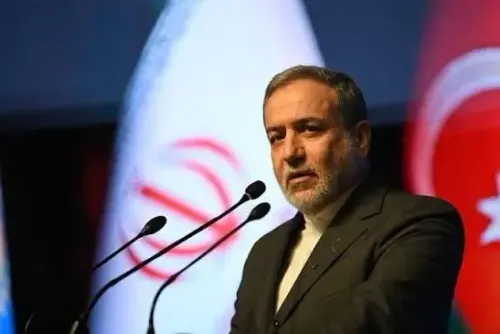
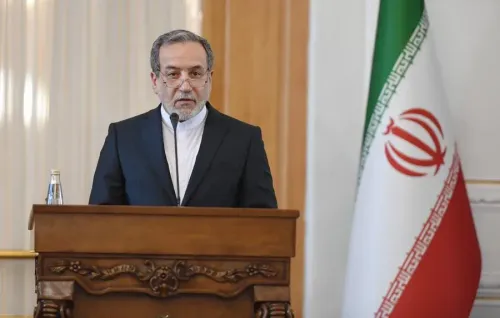
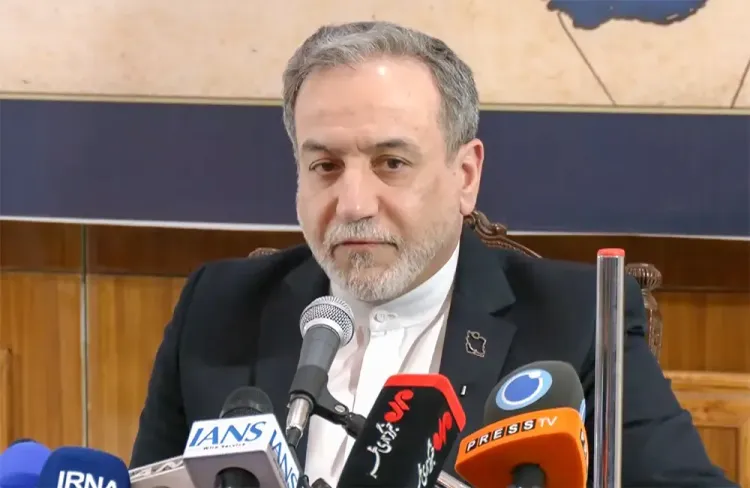
Iranian Foreign Minister Seyed Abbas Araghchi on Sunday, 4 October 2026, declared that there is no military or sanctions-based resolution to the ongoing conflict with the United States, urging diplomacy as the sole viable path to ending hostilities. Addressing ambassadors and representatives of countries and international organisations in Tehran, Araghchi called on Washington to choose reason over force.
Araghchi's Diplomatic Push
Speaking directly to the gathered envoys, Araghchi said: “There is no military or sanctions-based solution. Only a diplomatic solution can work and can help bring an end to the aggression against Iran.” He expressed hope that the US would opt for “wisdom and rationality,” while simultaneously warning that Iran is “more prepared than before” should Washington choose a military course, according to the semi-official Tasnim News Agency.
The Seven-Day Strait of Hormuz Proposal
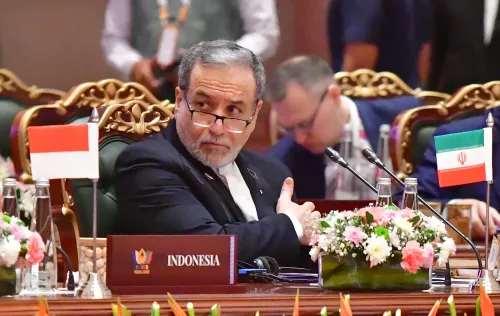
Araghchi revealed that Iran's delegation held multiple meetings during the 81st session of the United Nations General Assembly (UNGA) and put forward a seven-day proposal to resolve existing disputes and reopen the Strait of Hormuz. Under the plan, the strategically critical waterway — through which a significant share of global oil trade flows — would be reopened within seven days of an agreement being reached. Araghchi underlined that Iran demonstrated readiness for a diplomatic settlement at UNGA, even as it reaffirmed its commitment to self-defence. He cautioned that any renewed military confrontation would draw a stronger Iranian response.
Trump's Contrasting Assessment
Meanwhile, US President Donald Trump offered a starkly different framing of the conflict's trajectory. Speaking to reporters after arriving in Texas and during a subsequent visit to a Peterbilt Motors facility in Denton, Trump predicted the war would end “very quickly” and suggested oil prices would “drop like a rock” once hostilities ceased.
Trump painted Iran as severely weakened, stating: “Iran will very soon be ending one way or the other. It'll either just say, look, they have 301 per cent inflation. They have no money, they have no currency. Their military has been defeated, their navy is gone, their air force is gone, everything's gone.” He added: “And, one way or the other, it's going to end very quickly. And when that ends, oil prices are going to drop like a rock.”
Rising Stakes for Global Energy Markets
Araghchi's remarks and Trump's statements came amid continuing tensions and mounting economic pressure on Iran. The Strait of Hormuz remains a critical chokepoint for global energy supply, and any prolonged closure or reopening scenario carries significant implications for crude oil prices and global markets. This is the latest in a series of exchanges between Tehran and Washington that have oscillated between diplomatic overture and escalatory warning, underscoring the fragile and high-stakes nature of the current standoff.
What Comes Next
With Iran's seven-day Hormuz proposal now formally on the table, diplomatic observers will watch for any US response signalling willingness to engage. The divergence between Araghchi's call for negotiation and Trump's portrayal of an Iran on the verge of collapse suggests both sides are calibrating public posture ahead of any back-channel talks. A breakthrough — or a further escalation — could have immediate consequences for oil markets, regional security, and global diplomacy.
Point of View
Meanwhile, is equally calculated — framing Iranian capitulation as inevitable reduces domestic political pressure to offer concessions. What mainstream coverage underplays is that both sides are talking to their own audiences as much as to each other, and the real diplomatic signal, if any, will come from back-channel contacts rather than these public statements.
NationPress
4 Oct 2026
Frequently Asked Questions
What did Iran's Foreign Minister Araghchi say about the US conflict?
Araghchi stated on 4 October 2026 that there is no military or sanctions-based solution to the conflict with the US, calling diplomacy the only viable path. He expressed hope that Washington would choose 'wisdom and rationality' while warning that Iran is more prepared than before for any military escalation.
What is Iran's seven-day Strait of Hormuz proposal?
Iran presented a proposal during the 81st UNGA session under which the Strait of Hormuz would be reopened within seven days if the plan is agreed to by the parties involved. The proposal is part of Tehran's stated readiness for a diplomatic resolution to the ongoing conflict.
What did President Trump say about the Iran conflict?
Trump told reporters in Texas that the war with Iran would end 'very quickly,' predicting that oil prices would 'drop like a rock' once the conflict concludes. He portrayed Iran as facing severe military defeat and economic collapse, citing 301 per cent inflation and the loss of its navy and air force.
Why does the Strait of Hormuz matter in this conflict?
The Strait of Hormuz is one of the world's most critical energy chokepoints, through which a substantial portion of global oil trade passes. Any closure or disruption directly affects global crude oil prices and energy supply chains, making its status central to both the conflict's economic stakes and any potential resolution.
What happens next in the Iran-US standoff?
Diplomatic observers are watching for a US response to Iran's seven-day Hormuz proposal. The sharp divergence between Araghchi's diplomatic overtures and Trump's statements of Iranian collapse suggests both sides are managing public posture, with any genuine breakthrough likely to emerge from back-channel negotiations rather than public exchanges.