Iran's Hormuz Strait seven-day plan still active, says Foreign Minister Araghchi
Synopsis
Iran's top diplomat says the seven-day Hormuz Strait reopening plan is still live — even as Trump publicly claims US strikes have already destroyed Tehran's nuclear capability. With Washington reviewing Tehran's conditions and global energy markets watching the strait's status, the next few days could determine whether this crisis ends at the negotiating table or deepens further.
Key Takeaways
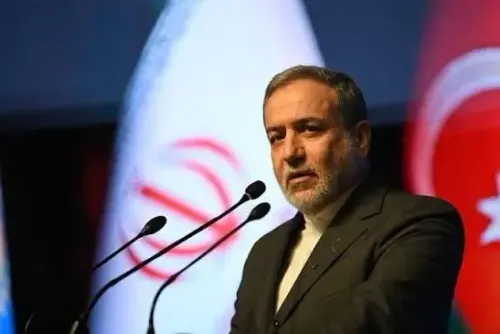
Foreign Minister Seyed Abbas Araghchi confirmed on 18 October 2026 that Iran's seven-day plan to reopen the Strait of Hormuz is still active.
Under the plan, the strait would reopen on day six and negotiations resume on day seven if the US meets Tehran's conditions.
Araghchi said Iran's conditions mirror commitments the US made in a prior peace MoU and earlier negotiations.
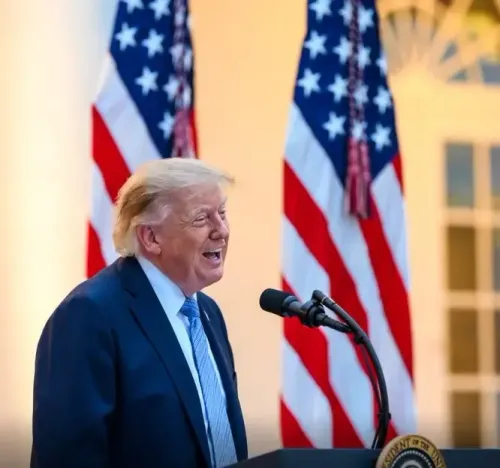
US President Donald Trump claimed American military operations have 'destroyed' Iran's nuclear weapons capability at a rally in Northern Kentucky on Saturday .
Tehran is currently reviewing Washington's response to the seven-day proposal; Iran says it will not yield to threats but remains open to diplomacy.
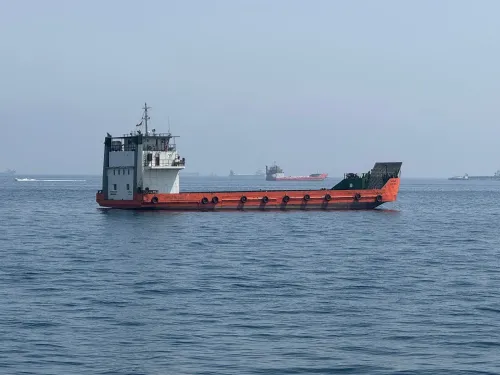
The Strait of Hormuz carries an estimated 20% of global daily oil supplies, making its status a major concern for global energy markets.
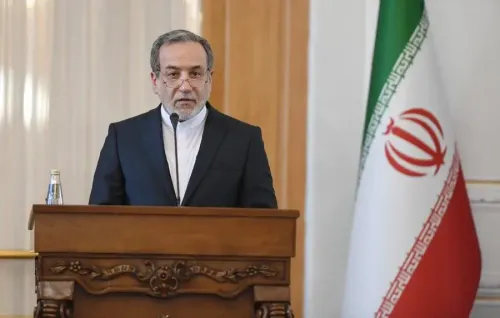
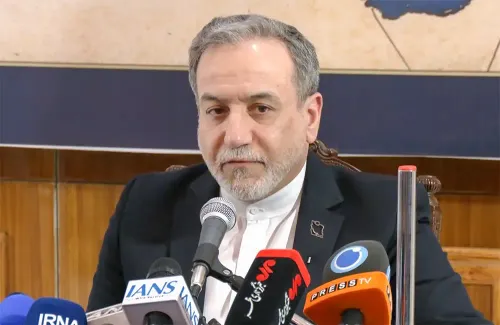
Iran's Foreign Minister Seyed Abbas Araghchi said on Sunday, 18 October 2026, that Tehran's proposed seven-day plan to reopen the Strait of Hormuz remains 'still on the table,' signalling that diplomatic options have not been exhausted despite escalating military tensions between Iran and the United States. The remarks came as Washington claimed it had already destroyed Tehran's nuclear weapons capability through direct military strikes.
What the Seven-Day Plan Entails
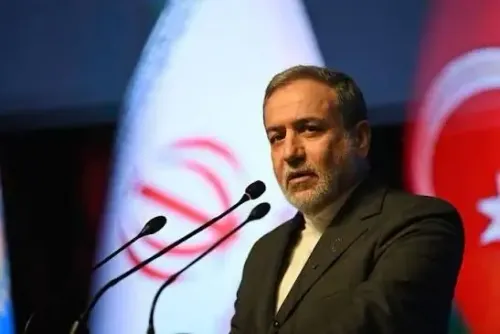
Araghchi outlined the proposal while speaking on the sidelines of the 52nd Session of the Council of Foreign Ministers of the Organisation of Islamic Cooperation (OIC) in the Iraqi capital, Baghdad. Under the plan, Iran has submitted specific conditions to the United States, and Araghchi said those conditions are 'completely clear.'
'Iran's plan is still on the table,' he stated. 'If they meet those conditions, the Strait of Hormuz will be reopened on the sixth day, and negotiations will resume on the seventh.'
He insisted that Tehran's conditions were 'neither extraordinary nor unusual,' characterising them as commitments 'the United States had already committed itself in the peace memorandum of understanding (MoU) and other negotiations.' Washington has reportedly submitted its views on the proposal, which Tehran is currently reviewing, according to Araghchi.
Iran's Dual-Track Stance: Diplomacy and Defence
Araghchi struck a firm but measured tone, emphasising that Iran 'will not bow to threats' and is fully prepared to defend itself — while simultaneously remaining open to diplomatic engagement. The dual-track posture reflects Tehran's broader strategic calculation: keeping a negotiated off-ramp available without conceding leverage under military pressure.
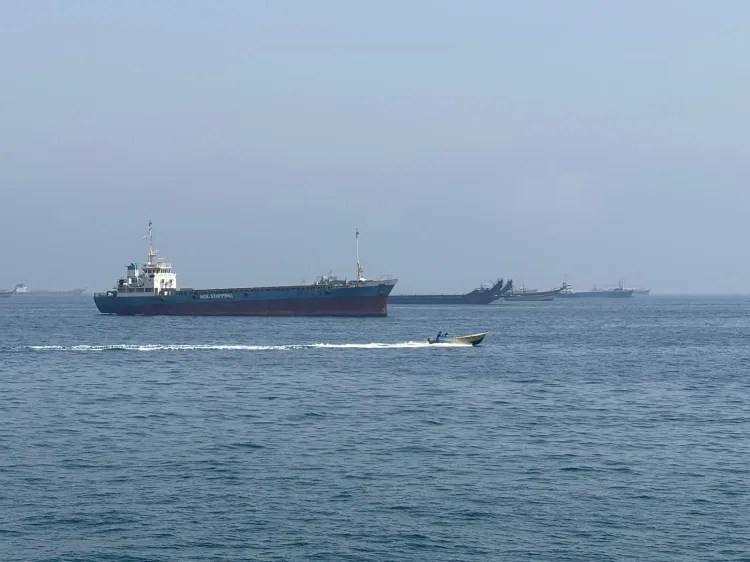
Notably, the Strait of Hormuz remains one of the world's most strategically critical waterways, through which an estimated 20% of global oil supplies transit daily. Any prolonged closure would carry severe consequences for energy markets and global supply chains, affecting economies well beyond the immediate conflict zone.
Trump Claims Iran's Nuclear Capability 'Destroyed'
Meanwhile, US President Donald Trump presented a starkly different picture of the situation. Addressing a Republican election rally at Northern Kentucky University's Truist Arena on Saturday, Trump declared that American military operations had successfully 'destroyed' Iran's nuclear weapons capability, framing the campaign as one of the defining national security achievements of his second presidency.
'They cannot have a nuclear weapon. They can't because they'll use it,' Trump told supporters, defending his decision to authorise the strikes. He added that the United States had targeted Iran's nuclear infrastructure and was taking active steps to ensure the programme could not be revived: 'We have to make sure it doesn't come back.'
The remarks represent the most direct public characterisation by the US President of the military operation's objectives and claimed outcomes to date.
Geopolitical Stakes and What Comes Next
The simultaneous signals from Tehran and Washington — one proposing a phased diplomatic resolution, the other claiming military objectives already achieved — underscore the volatile and ambiguous nature of the current standoff. This comes amid broader regional anxieties, with the OIC summit in Baghdad providing a multilateral backdrop against which Iran is actively lobbying for diplomatic support.
The coming days will be critical: Tehran's review of Washington's response to the seven-day plan is ongoing, and whether the US meets Iran's stated conditions will determine whether the Strait reopens through negotiation or remains a flashpoint of sustained confrontation.
Point of View
While Trump is declaring victory before any agreement is signed. Claiming to have 'destroyed' Iran's nuclear capability at a domestic election rally — rather than through formal channels — risks hardening Iranian domestic opinion and undermining the very diplomatic space Araghchi is trying to hold open. History suggests that maximalist public declarations by either side have repeatedly derailed back-channel progress on Iran's nuclear file. The real test is whether Washington's formal response to the seven-day plan matches Trump's rally rhetoric — or quietly offers the assurances Tehran says were already promised.
NationPress
19 Oct 2026
Frequently Asked Questions
What is Iran's seven-day plan to reopen the Strait of Hormuz?
It is a phased diplomatic proposal under which Iran would reopen the Strait of Hormuz on the sixth day and resume negotiations on the seventh, provided the United States meets a set of conditions that Tehran has formally submitted. Iran's Foreign Minister Araghchi described the conditions as consistent with prior US commitments in a peace MoU and earlier negotiations.
What did Iran's Foreign Minister say about the plan on 18 October 2026?
Foreign Minister Seyed Abbas Araghchi confirmed on 18 October 2026 that the seven-day plan is 'still on the table.' Speaking on the sidelines of the OIC foreign ministers' summit in Baghdad, he said Washington had submitted its views and Tehran was reviewing them, while reiterating that Iran would not yield to threats.
What has the US said about Iran's nuclear programme?
US President Donald Trump declared at a rally on Saturday that American military operations have 'destroyed' Iran's nuclear weapons capability and vowed the programme would never be rebuilt. He framed the military campaign as a major national security achievement of his second presidency, saying Iran 'cannot have a nuclear weapon' because 'they'll use it.'
Why does the Strait of Hormuz matter globally?
The Strait of Hormuz is one of the world's most critical energy chokepoints, with an estimated 20% of global daily oil supplies passing through it. A prolonged closure would trigger significant disruption to energy markets and supply chains worldwide, affecting economies far beyond the immediate conflict.
What happens next in Iran-US tensions?
The immediate focus is on whether Washington's formal response to Iran's seven-day plan meets Tehran's stated conditions. If it does, the Strait of Hormuz could reopen and negotiations could resume within days. If not, the standoff risks escalating further, with global energy markets and regional stability hanging in the balance.