Gujarat Deputy CM Sanghavi pushes diaspora-MSME ties with Japan in Kobe
Synopsis
Gujarat Deputy CM Harsh Sanghavi used a community gathering at the 120-year-old Kobe India Club to pitch something more ambitious than goodwill diplomacy — a structured, embassy-backed framework to turn the Gujarati diaspora's Japan connections into real MSME business pipelines, signalling that Vibrant Gujarat is now actively going global between summits.
Key Takeaways
Gujarat Deputy CM Harsh Sanghavi met the Gujarati and Indian diaspora in Kobe, Japan on 18 October 2026 during a Vibrant Gujarat Global Summit outreach visit.
Sanghavi proposed a structured engagement framework to connect Gujarat's industries — particularly MSMEs — with Japanese business partners beyond biennial summit visits.
The Gujarat Industries Department and the Indian Embassy are to jointly coordinate and support the proposed partnership mechanism.
The interaction was held at the Kobe India Club , which has been operational since 1904 .
Community leaders pledged support for strengthening trade, business and cultural ties with Gujarat.
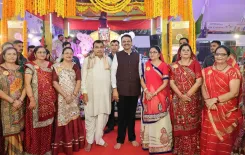
Gujarat Deputy Chief Minister Harsh Sanghavi on 18 October 2026 called for a structured, long-term mechanism to connect Gujarat's businesses with the Gujarati diaspora in Japan, with a specific focus on generating new market access and economic opportunities for the state's micro, small and medium enterprises (MSMEs). The call came during a community interaction at the historic Kobe India Club as part of his Japan visit under the Vibrant Gujarat Global Summit initiative.
What Sanghavi Proposed
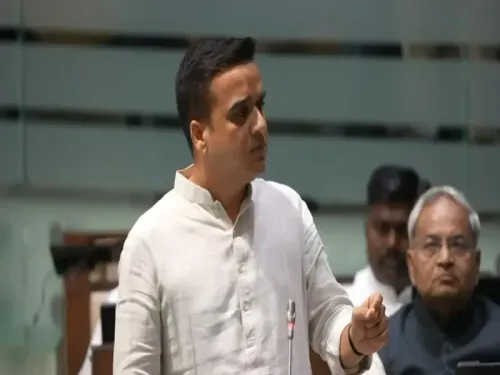
Addressing members of the Gujarati and Indian communities in Kobe, Sanghavi stressed that diaspora engagement must evolve beyond ceremonial exchanges. 'Engagement with the overseas community should go beyond occasional meetings and translate into long-term economic partnerships,' he said.
He called for a local platform to facilitate direct interaction between Gujarat-based industries and potential Japanese business partners, noting that current interactions are largely limited to welcoming delegations to Gujarat once every two years. A structured framework, he argued, could convert existing goodwill into concrete commercial outcomes.
Role of the Gujarat Industries Department and Indian Embassy
Sanghavi indicated that the Gujarat Industries Department and the Indian Embassy would coordinate to provide institutional support for these partnerships. 'The Gujarat Industries Department and the Indian Embassy would coordinate efforts and provide the necessary support to facilitate such partnerships,' he said.
He also highlighted the trust built by the Indian community across Kobe and other parts of Japan through decades of hard work, calling this goodwill a strategic asset for Gujarat's industrial outreach. 'This goodwill and experience could help Gujarat's industries establish connections with Japanese businesses, explore new markets and identify areas for collaboration,' Sanghavi added.
Community Response and Historical Context
Community leaders and members present at the gathering welcomed the Deputy CM's outreach and expressed commitment to deepening trade, business, and cultural ties with Gujarat. The interaction took place at the Kobe India Club, which has been functioning since 1904, underscoring the deep historical roots of the Indian community in the city.
Before attending the community event, Sanghavi also visited a nearby Jain temple and offered prayers, acknowledging the cultural and religious connections that bind Gujarat's diaspora to their homeland.
Broader Push for Overseas Economic Linkages
The proposed engagement framework is part of Gujarat's wider effort to leverage its overseas diaspora networks to strengthen international business ties. Notably, Japan represents a significant opportunity for Gujarat's MSMEs given the bilateral trade potential in manufacturing, technology, and industrial components. 'Sustained cooperation could lead to tangible economic outcomes and mutually beneficial business collaborations between Gujarat and Japan,' Sanghavi said.
Sanghavi also acknowledged the efforts of Gujarati families abroad to maintain homeland ties while contributing to community development and social welfare in their countries of residence. With a formal structure yet to be finalised, the next steps will likely depend on follow-through from both the Industries Department and diplomatic channels.
Point of View
But whether it hardens into a functioning mechanism depends entirely on institutional follow-through — something India's diaspora-engagement playbook has historically struggled with. The Vibrant Gujarat summit draws impressive delegations every two years, yet structured post-summit pipelines with specific overseas communities remain rare. Using the Indian Embassy as a coordination node is sensible, but without defined timelines, sectoral priorities, and accountability for MSME matchmaking outcomes, this risks being another well-received speech at a heritage club. The Japan opportunity is real; the test is execution.
NationPress
19 Oct 2026
Frequently Asked Questions
What did Gujarat Deputy CM Harsh Sanghavi propose in Kobe, Japan?
Sanghavi proposed a structured, long-term mechanism to connect Gujarat's businesses — especially MSMEs — with the Gujarati diaspora and Japanese industry in Kobe. He called for a local platform backed by the Gujarat Industries Department and the Indian Embassy to facilitate regular business interactions, moving beyond the current model of once-in-two-years delegations to Vibrant Gujarat.
What is the Vibrant Gujarat Global Summit and why is it relevant here?
The Vibrant Gujarat Global Summit is a biennial investment summit organised by the Gujarat government to attract domestic and foreign investment. Sanghavi's Japan visit was part of an outreach initiative under this summit, aimed at building business partnerships ahead of the next edition.
Why is the Gujarati diaspora in Japan significant for Gujarat's MSMEs?
The Indian — and specifically Gujarati — community in Japan has built considerable goodwill and business networks over decades, particularly in trade hubs like Kobe. Sanghavi argued that this established trust can serve as a bridge for Gujarat's MSMEs to access Japanese markets, suppliers, and technology partners.
What role will the Indian Embassy play in this initiative?
According to Sanghavi, the Indian Embassy in Japan will coordinate alongside the Gujarat Industries Department to provide institutional support for facilitating Gujarat-Japan business partnerships. The specifics of the framework are yet to be announced.
What is the Kobe India Club and why is it historically significant?
The Kobe India Club has been functioning since 1904, making it one of the oldest Indian community organisations in Japan. It served as the venue for Sanghavi's community interaction, symbolising the long-standing presence of Indian — and Gujarati — traders in Japan.