CM Bhupendra Patel Drives MSME Growth Under Make in India
Synopsis
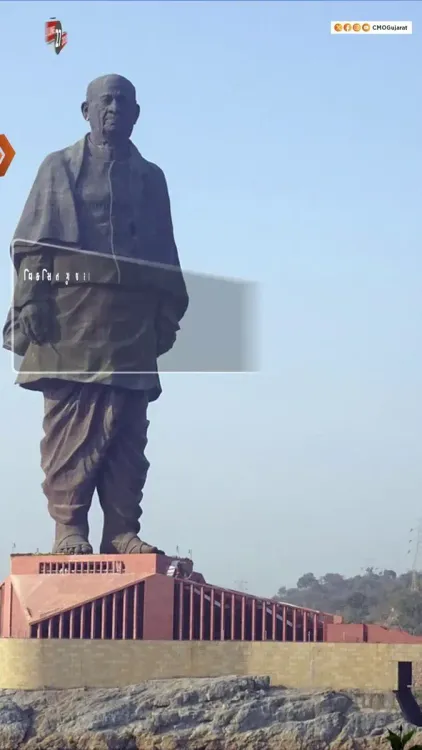
The Chief Minister's Office of Gujarat spotlighted the state's MSME-led manufacturing progress under CM Bhupendra Patel on 27 June 2026, framing it as a direct realisation of the national Make in India initiative and Gujarat's commitment to staying 'always ahead'.
Key Takeaways
The CMO Gujarat posted on 27 June 2026 highlighting MSME-sector growth under CM Bhupendra Patel .
The post frames Gujarat's MSME development as a state-level realisation of the national Make in India initiative launched in 2014 .
Gujarat Industrial Policy 2015 and subsequent updates introduced cluster development and credit support for small manufacturers.
The communication is part of the recurring #અગ્રેસર_ગુજરાત ('Gujarat Moving Forward') series showcasing state governance achievements.
Key beneficiaries include lakhs of micro and small entrepreneurs across Gujarat's textile, engineering, chemical, and agro-processing clusters.
Upcoming Vibrant Gujarat summits and national manufacturing corridor projects are the next milestones to watch.
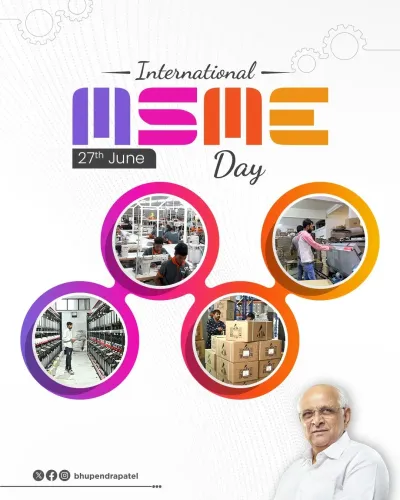
The Chief Minister's Office of Gujarat on Saturday, 27 June 2026 highlighted the state's progress in developing micro, small, and medium enterprises (MSMEs) under the leadership of Chief Minister Bhupendra Patel, framing the push as a direct realisation of the national Make in India vision.
The post, captioned 'સદા અગ્રેસર ગુજરાત' ('Gujarat, always ahead'), invited citizens to learn about how MSME growth under CM Bhupendra Patel's leadership is translating the Make in India concept into ground-level reality across the state.
Context
Gujarat has long positioned itself as one of India's foremost manufacturing destinations, with a dense network of industrial clusters spanning textiles, chemicals, engineering goods, and agro-processing. The state's MSME sector forms the backbone of this ecosystem, providing employment to millions and contributing significantly to the state's export basket.
The CMO's communication, tagged #અગ્રેસર_ગુજરાત ('Agressor Gujarat' — 'Gujarat Moving Forward'), is part of a recurring series spotlighting state-level achievements in industry and governance under the current administration.
Policy Backdrop
The Make in India initiative, launched nationally in September 2014, set out to position India as a global manufacturing hub by easing regulations, improving infrastructure, and attracting domestic and foreign investment into production sectors. Gujarat was among the earliest states to align its own industrial policy with this framework.
The Gujarat Industrial Policy 2015 and its subsequent MSME-focused revisions introduced cluster development programmes, technology upgradation incentives, and enhanced credit support for small manufacturers. These measures were later reinforced under the Atmanirbhar Bharat framework, which placed MSMEs at the centre of India's post-pandemic economic recovery strategy.
CM Bhupendra Patel, who assumed office in September 2021, has continued and expanded these initiatives, maintaining Gujarat's reputation as a state that consistently converts national manufacturing ambitions into implementable state-level programmes.
Stakeholders and Impact
The primary beneficiaries of Gujarat's MSME push are the lakhs of small and micro entrepreneurs operating manufacturing units across the state's industrial clusters — from Surat's textile mills to Rajkot's engineering goods units and Ahmedabad's chemical and pharmaceutical corridors.
Strengthening MSMEs also has downstream effects on employment, particularly for semi-skilled workers and first-generation entrepreneurs who rely on state incentives such as subsidised credit, technology grants, and export promotion support. A robust MSME sector additionally helps Gujarat meet its targets under national manufacturing GDP goals.
What's Next
Observers will watch for the rollout of any revised state MSME policy provisions that may follow this communication, as well as Gujarat's participation in upcoming national manufacturing corridor projects and future editions of the Vibrant Gujarat Global Investors Summit — the state's flagship investment conclave.
As India pushes to raise manufacturing's share of GDP, Gujarat's ability to scale MSME output and integrate small producers into global supply chains will remain a key indicator of how effectively the Make in India vision is being executed at the state level.
Point of View
Reinforcing the ruling administration's narrative of industrial competence ahead of any potential policy announcements or investor events. By linking state MSME growth explicitly to the national Make in India brand, the Gujarat government continues its well-established practice of aligning with central government flagship schemes to project policy coherence. This also signals that MSME development — a sector with direct electoral resonance among small traders and first-generation entrepreneurs — remains central to the state's political messaging. The broader pattern mirrors how several BJP-governed states use social media to maintain a drumbeat of 'development delivery' communication between major announcements.
NationPress
25 Sept 2026
Frequently Asked Questions
What is the Make in India initiative and how is Gujarat implementing it?
Make in India is a national programme launched in September 2014 to boost domestic manufacturing. Gujarat implements it through state industrial policies, MSME cluster development schemes, technology upgradation incentives, and credit support for small manufacturers.
Who is CM Bhupendra Patel and what is his role in Gujarat's MSME policy?
Bhupendra Patel is the Chief Minister of Gujarat since September 2021. He has continued and expanded the state's MSME-focused industrial policies, aligning them with both Make in India and the Atmanirbhar Bharat framework.
What does 'Agressor Gujarat' or #અગ્રેસર_ગુજરાત mean?
The Gujarati phrase means 'Gujarat, always ahead' or 'Gujarat moving forward.' It is a hashtag used by the Chief Minister's Office to brand a series of social media posts highlighting the state's development and governance achievements.
Which industries benefit most from Gujarat's MSME push?
Key beneficiaries include entrepreneurs and workers in Gujarat's textile clusters in Surat, engineering goods units in Rajkot, and chemical and pharmaceutical manufacturers in Ahmedabad, among other industrial corridors.
What is the Vibrant Gujarat Summit and how is it related to MSME growth?
The Vibrant Gujarat Global Investors Summit is the state's flagship investment conclave held periodically to attract domestic and foreign investment. It serves as a key platform for announcing and scaling MSME and manufacturing-sector initiatives.