Tiger Shroff firing case: Abhijeet Dipke slams Delhi Police over Jantar Mantar detentions
Synopsis
Cockroach Janata Party founder Abhijeet Dipke seized on the Tiger Shroff firing case to accuse Delhi Police of misplaced priorities — detaining students at Jantar Mantar while serious crime goes unaddressed. The intervention has polarised opinion, with critics calling it political opportunism and supporters saying it captures a genuine resource allocation problem in urban policing.
Key Takeaways
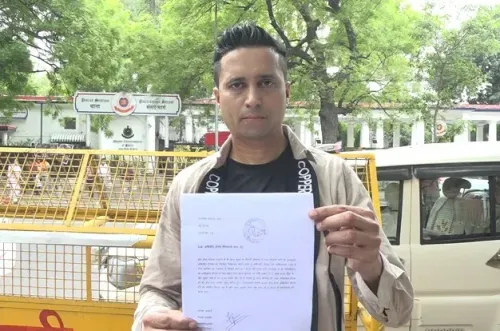
Abhijeet Dipke , founder of the Cockroach Janata Party , posted a sharp attack on Delhi Police on X on Sunday .
He cited the Tiger Shroff firing incident as evidence that police attention is misaligned, while students and activists were being detained at Jantar Mantar .
His post read: ‘Instead of cracking down on students and activists, the police should focus on actual criminals.’ Critics argue Dipke is conflating an unrelated celebrity case with the policing of protests for political gain.
Delhi Police had not issued an official response to his allegations at the time of reporting.
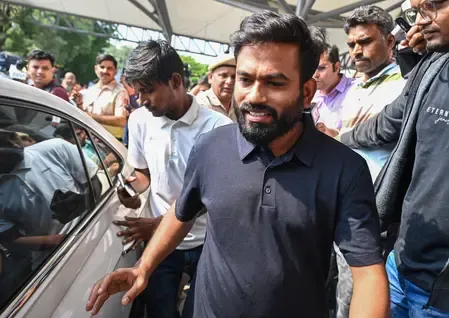
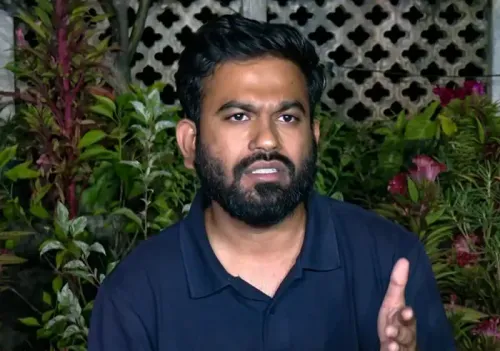
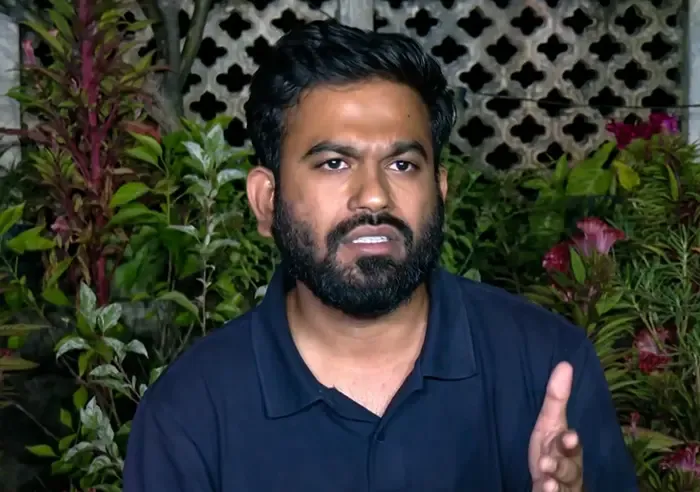
Cockroach Janata Party founder Abhijeet Dipke on Sunday used the high-profile firing incident involving Bollywood actor Tiger Shroff as a platform to attack Delhi Police, alleging that the force was devoting disproportionate attention to detaining students and activists at Jantar Mantar while serious crime went unchecked. The remarks, posted on social media platform X, reignited the debate over law enforcement priorities in the capital.
What Dipke Said
In his post on X, Dipke wrote: “Instead of cracking down on students and activists, the police should focus on actual criminals. This is what happens when the Govt and police have their priorities completely misplaced.” The statement came within hours of a shooting incident linked to Tiger Shroff drawing widespread public attention and raising questions about security preparedness and the law enforcement response to high-profile crime.
The Backdrop: Jantar Mantar Detentions
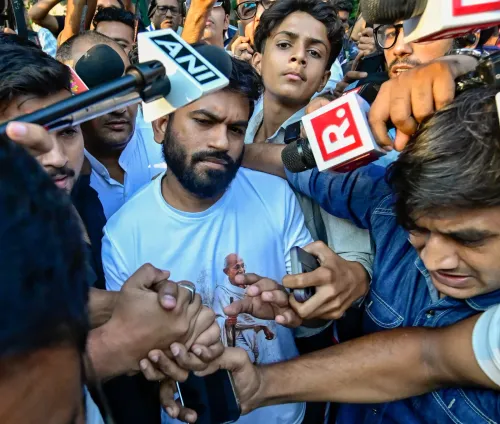
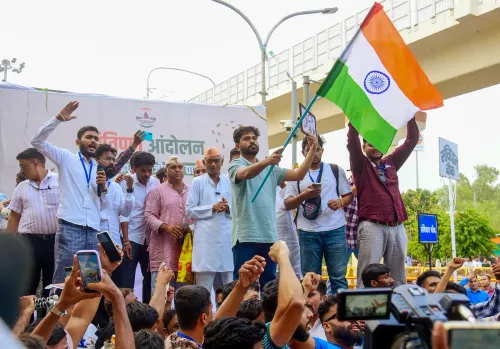
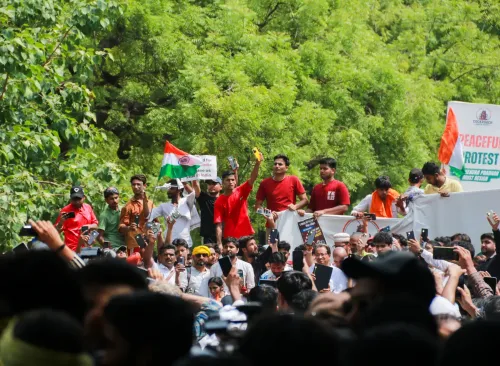
According to reports, Delhi Police detained several students and activists during recent demonstrations at Jantar Mantar, the capital’s designated protest site. Dipke’s remarks appear to draw a direct contrast between those detentions and what he described as inadequate action against more serious criminal threats. The timing — capitalising on a nationally trending case — was deliberate, his critics acknowledge, even as his supporters argue the underlying concern is legitimate.
Critics Push Back
Critics of Dipke’s intervention argue that he is leveraging an unrelated celebrity incident for political visibility. They maintain that maintaining order at public protest sites such as Jantar Mantar is a lawful and standard police responsibility, and that conflating it with a failure to tackle violent crime is a false equivalence. No official response from Delhi Police to Dipke’s specific allegations had been issued at the time of reporting.
Supporters’ View
Dipke’s supporters, however, contend that the optics of detaining young protesters while high-profile criminal incidents attract national headlines point to a structural problem in how law enforcement agencies allocate resources. The Tiger Shroff firing case, still developing at the time of his post, amplified the resonance of that argument among those already critical of the police’s handling of civil protests.
Broader Debate
The episode has triggered renewed discussion on social media about the dual mandate of urban policing — managing public dissent on one hand and countering violent crime on the other. This is not the first time a high-profile crime incident has been used by political voices to spotlight policing gaps; similar flashpoints have periodically surfaced around protest crackdowns in New Delhi. As the Tiger Shroff case continues to unfold, the controversy around Dipke’s remarks is unlikely to dissipate quickly.
Point of View
That Delhi Police disproportionately targets dissent while under-responding to violent crime, is a recurring and legitimate charge that deserves scrutiny on its own merits, not borrowed credibility from a Bollywood headline. What’s missing from this episode is any data: How many activists were detained? What is Delhi Police’s actual case-clearance rate on violent crime? Without those numbers, this remains a rhetorical skirmish, not an accountability moment.
NationPress
19 Oct 2026
Frequently Asked Questions
What did Abhijeet Dipke say about Delhi Police and the Tiger Shroff firing case?
Dipke posted on X that Delhi Police had its priorities ‘completely misplaced,’ arguing the force was busy detaining students and activists at Jantar Mantar instead of focusing on serious criminals like those involved in the Tiger Shroff firing incident. He called on the police to redirect their attention to actual crime.
Who is Abhijeet Dipke?
Abhijeet Dipke is the founder of the Cockroach Janata Party, a political outfit based in India. He made national headlines on Sunday after using the Tiger Shroff firing case to launch a public broadside against Delhi Police’s handling of protest-related detentions.
What happened at Jantar Mantar that prompted Dipke’s remarks?
According to reports, Delhi Police detained several students and activists during recent demonstrations at Jantar Mantar, the capital’s designated protest site. Dipke argued these detentions reflected the wrong use of police resources, especially against the backdrop of a high-profile shooting incident.
How have critics responded to Dipke’s statement?
Critics contend that Dipke is using the Tiger Shroff episode for political mileage by linking an unrelated celebrity case to the policing of protests. They maintain that managing public demonstrations at Jantar Mantar is a lawful police function and cannot be equated with failing to tackle violent crime.
Has Delhi Police responded to Dipke’s allegations?
Delhi Police had not issued an official response to Dipke’s specific allegations at the time of reporting. The controversy continues to generate debate on social media about how law enforcement balances managing public dissent with countering violent crime.