Delhi Police arrest CJP founder Abhijeet Dipke over Connaught Place rally
Synopsis
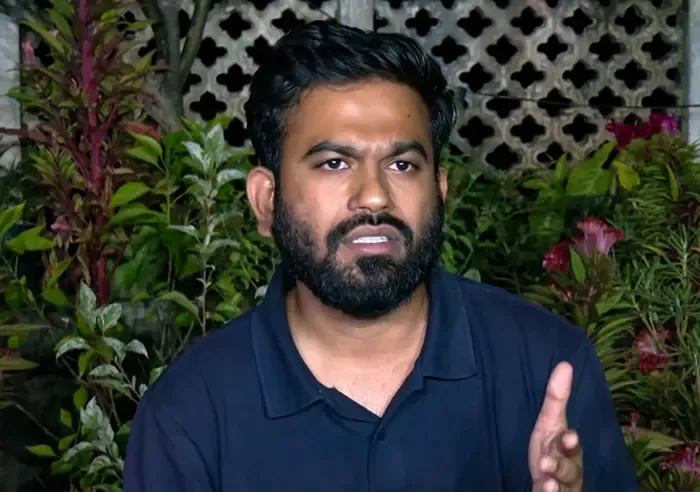
Delhi Police arrested CJP founder Abhijeet Dipke for the second time in a week — this time over an unauthorised Tiranga rally at Connaught Place — as the standoff over protest rights in central Delhi intensifies. With two co-convenors already in judicial custody over a Jantar Mantar flag-unfurling, the CJP's access to lawyers remains unconfirmed even after the arrest.
Key Takeaways
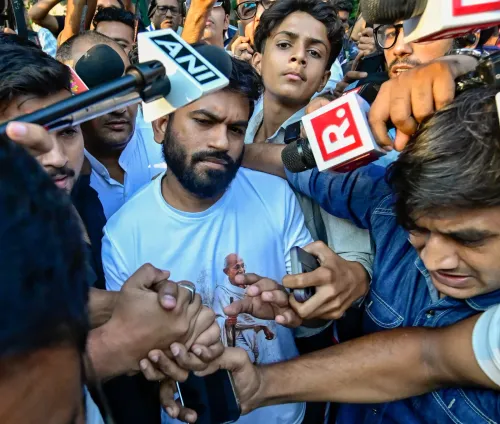
CJP founder Abhijeet Dipke was arrested by Delhi Police on 17 October 2025 over an unauthorised rally at Connaught Place .
He is to be produced before an SEM court on Saturday ; lawyers had not met him as of the latest update.
AISA member Neha Bora was also briefly detained near Mandi House before being released.
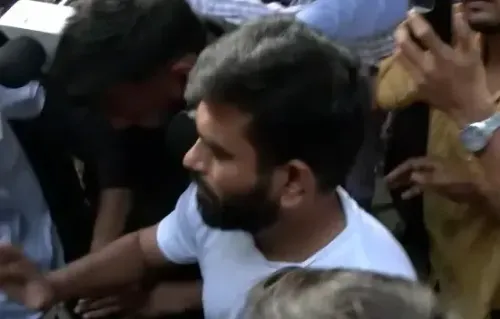
This was Dipke's second detention in a week ; he was earlier held over a protest against the Chief Election Commissioner.
CJP co-convenors Saurav Das and Ashutosh Ranka are already in five days of judicial custody for entering Jantar Mantar on 13 October .
Police cited Section 163 of the BNSS and the absence of NDMC permission as the legal basis for action.
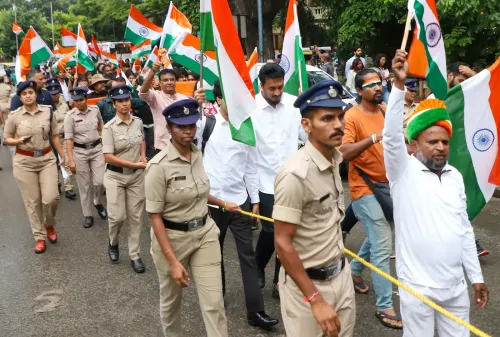
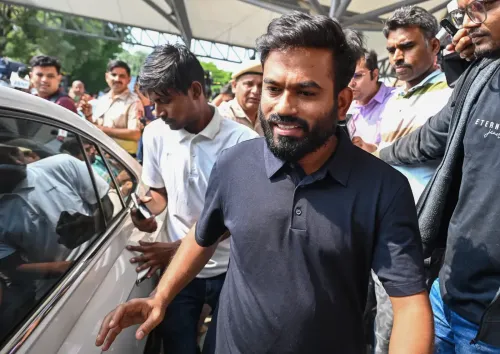
Cockroach Janta Party (CJP) founder Abhijeet Dipke was arrested by Delhi Police on Friday, 17 October 2025, in connection with the party's 'Lehra Do Tiranga' rally at Central Park, Connaught Place, and is set to be produced before a Special Executive Magistrate (SEM) court on Saturday. The arrest marks an escalation in a week-long standoff between the CJP and Delhi authorities over protest rights in the heart of the capital.
The Arrest and What CJP Said
Ratna Singh, legal affairs head of the CJP, confirmed the development in a post on X, stating: 'Abhijeet is arrested and will be produced before SEM court. His location still unknown, lawyers haven't met.' The statement raised immediate concerns among civil liberties advocates about access to legal representation following the arrest.
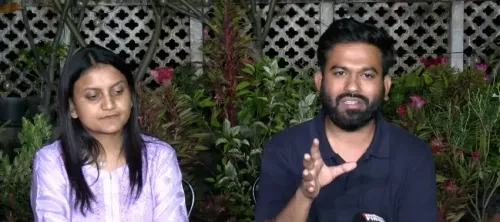
Separately, All India Students' Association (AISA) member Neha Bora was detained near Mandi House as police tightened security across central Delhi. She was subsequently released.
Why Police Acted: The Legal Basis
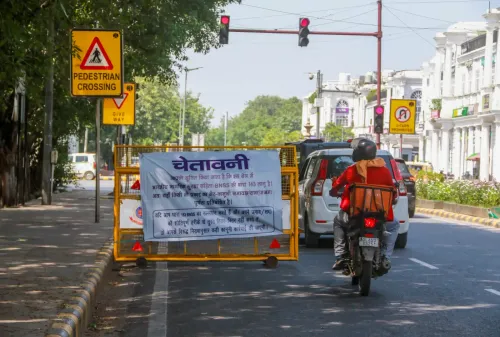
Ahead of Friday's proposed rally, Delhi Police had issued Dipke a formal notice under Section 163 of the Bharatiya Nagarik Suraksha Sanhita (BNSS), warning that Connaught Place is not a notified protest site and that the New Delhi Municipal Council (NDMC) had not granted permission for the planned Tiranga Yatra. The notice stated that organising an unauthorised procession or gathering a crowd in the area would violate prohibitory orders currently in force.
When police detained Dipke at his residence, he questioned the grounds of his arrest, asking: 'What kind of accusation have you levelled against me?' Police clarified that waving the national flag was not itself prohibited, but organising an unlawful assembly could invite legal action. He was also reminded of the Flag Code's provisions on the respectful display of the national flag.
A Week of Escalating Tensions
This was the second time in a week that Dipke was detained by Delhi Police. He was earlier taken into custody shortly after arriving in Delhi from Mumbai to protest against Chief Election Commissioner Gyanesh Kumar over alleged manipulation of electoral rolls during the Special Intensive Revision (SIR).
The latest detentions come against the backdrop of broader tensions following the arrest of two CJP co-convenors, Saurav Das and Ashutosh Ranka, who were sent to five days of judicial custody after allegedly entering Jantar Mantar and unfurling the national flag on 13 October — a day after the site was de-notified as a designated protest venue. Critics argue the de-notification itself was the trigger for the confrontations that followed.
Broader Context: Protest Rights Under Scrutiny
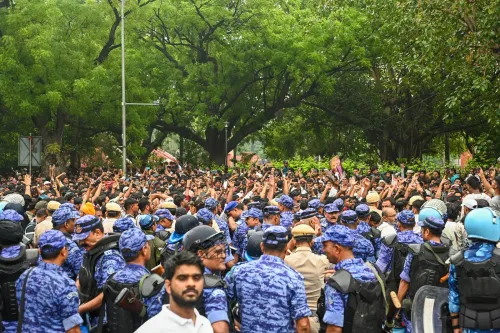
The series of detentions has drawn attention to the shrinking space for demonstrations in New Delhi's central zones. Notably, the CJP's protests have centred on electoral roll integrity — a politically sensitive issue ahead of upcoming elections. The repeated invocation of BNSS provisions and prohibitory orders in response to flag-waving rallies has drawn pushback from civil society groups, who argue the restrictions are being applied selectively.
Legal observers note that producing the accused before an SEM court suggests charges are likely to be framed under public order provisions. How the court rules on Dipke's custody could set a visible precedent for how protest-related detentions are handled in the capital in the weeks ahead.
Point of View
Yet that decision has received minimal scrutiny compared to the arrests it triggered. The invocation of BNSS provisions to prevent a Tiranga Yatra — however unauthorised its venue — carries optics that the authorities appear underprepared to manage. With the CJP's protests centred on electoral roll integrity ahead of elections, the political stakes of how courts handle these custody matters are considerably higher than the charges themselves suggest.
NationPress
17 Oct 2026
Frequently Asked Questions
Why was CJP founder Abhijeet Dipke arrested by Delhi Police?
Abhijeet Dipke was arrested on 17 October 2025 in connection with the CJP's 'Lehra Do Tiranga' rally at Central Park, Connaught Place — a location that is not a notified protest site and for which the NDMC had not granted permission. Delhi Police had earlier issued him a notice under Section 163 of the BNSS warning against organising the event.
What is the CJP and what was the rally about?
The Cockroach Janta Party (CJP) is a political organisation founded by Abhijeet Dipke. The 'Lehra Do Tiranga' rally was organised as part of a broader protest movement against the alleged manipulation of electoral rolls during the Special Intensive Revision (SIR) and against Chief Election Commissioner Gyanesh Kumar.
What happened to the other CJP leaders detained this week?
CJP co-convenors Saurav Das and Ashutosh Ranka were sent to five days of judicial custody after allegedly entering Jantar Mantar and unfurling the national flag on 13 October, a day after the site was de-notified as a designated protest venue. Their remand preceded the latest round of detentions.
Is it illegal to wave the national flag in Delhi?
No — police explicitly clarified that waving the national flag is not prohibited. However, organising an unauthorised procession or gathering a crowd in an area under prohibitory orders can attract legal action under BNSS provisions. Dipke was also reminded of Flag Code rules on the respectful display of the national flag.
What happens next in Abhijeet Dipke's case?
Dipke is to be produced before a Special Executive Magistrate (SEM) court on Saturday. As of the latest reports, his exact location was unknown and his lawyers had not been able to meet him, according to CJP legal affairs head Ratna Singh.