Trump rejects Iran 7-day ceasefire, eyes renewed bombing after midterms
Synopsis
Trump has reportedly turned down Iran's concrete seven-day ceasefire offer — brokered through Qatar and announced at the UN — and is expected to renew bombing of Tehran after the November midterms. With the June 17 peace deal already dead and the Strait of Hormuz still closed, the window for a diplomatic resolution appears to be narrowing fast.
Key Takeaways
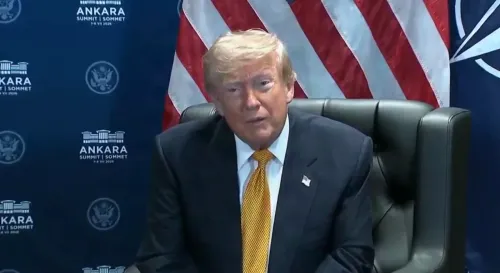
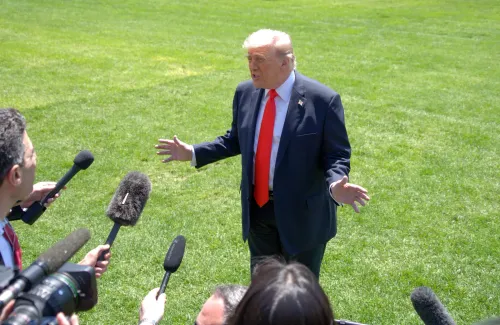
US President Donald Trump has reportedly rejected Iran's seven-day ceasefire proposal , according to The Wall Street Journal citing US officials.
Trump is expected to resume bombing Tehran after the November midterm elections .
Iran's Foreign Minister Abbas Araghchi presented the plan at the UN General Assembly , saying it was conveyed to Washington through Qatar .
Iran's conditions include lifting the US naval blockade, waiving oil sanctions, and a ceasefire covering Lebanon .
A 14-point peace deal signed on 17 June collapsed after Trump declared it 'over' on 8 July ; Tehran suspended its commitments shortly after.
The Strait of Hormuz — the world's most critical energy shipping lane — remains closed under Iran's control.
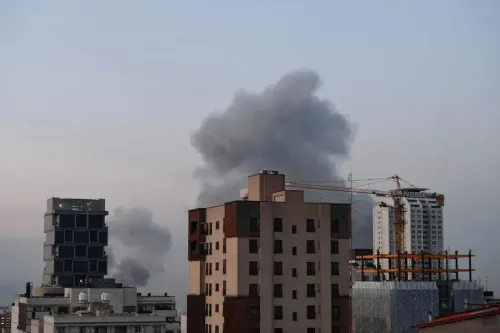
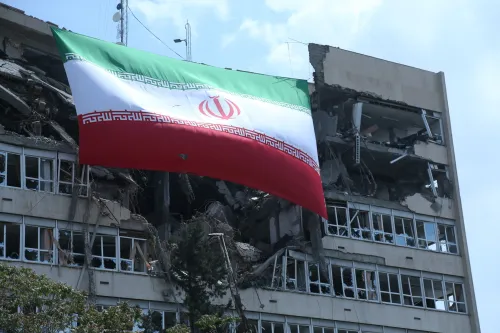
US President Donald Trump has reportedly rejected Iran's proposal for a seven-day ceasefire and is expected to resume bombing Tehran following the November midterm elections, according to a report by The Wall Street Journal citing US officials familiar with the matter. The development marks a sharp escalation in the ongoing military standoff between Washington and Tehran.
Trump's Stance and the Truth Social Post
Trump, who has repeatedly vowed that Iran will never acquire a nuclear weapon, is said to be sceptical that Tehran will meet his demands, making a renewed bombing campaign likely, according to the report. In a pointed move, Trump also posted an image on his Truth Social platform showing a map with the Strait of Hormuz circled and labelled 'Trump Strait' — a symbolic gesture underscoring Washington's leverage over the critical waterway.
Iran's Ceasefire Proposal Explained
Iran's Foreign Minister Abbas Araghchi outlined the proposal at the UN General Assembly on Friday, stating that Tehran had conveyed a concrete plan to Washington through Qatar. 'Iran has conveyed to the United States, through Qatar, a concrete seven-day plan. If the necessary conditions are met, the strait can be reopened, and normal maritime passage restored within seven days,' Araghchi told reporters at the UN.
He added: 'The choice now rests with the United States. Iran does not accept coercion, threats, or intimidation, and Iran will not surrender its sovereign rights under pressure.' He further noted: 'I can tell you if there is seriousness in the US side to come to a deal and reopen the Strait of Hormuz, everything is now prepared.'
Iran's conditions reportedly include the US lifting its naval blockade, waiving oil sanctions, and observing a ceasefire that extends to Lebanon.
Background: How the Conflict Began
The current military confrontation dates to 28 February, when the US and Israel conducted joint strikes on Iran. A 14-point agreement to end the Middle East war was subsequently signed on 17 June, calling for an immediate cessation of military operations — including in Lebanon — and committing both sides to pursue a final agreement within 60 days.
The deal, however, unravelled quickly. On 8 July, Trump declared the agreement was 'over'. Tehran suspended its memorandum of understanding a week later, accusing Washington of 'violating all its commitments.'
What the Strait of Hormuz Closure Means
The Strait of Hormuz is widely regarded as the world's most vital energy conduit, through which a significant share of global oil exports transit daily. Iran's continued closure of the strait poses serious risks to global energy markets, supply chains, and commodity prices. The proposal to reopen it within seven days, now apparently rejected, leaves no clear diplomatic off-ramp in sight.
What Happens Next
With Trump reportedly waiting until after the November midterm elections before resuming military action, the coming weeks represent a critical diplomatic window — one that, according to current signals, may not be used. International observers and US allies will be watching closely for any backchannel engagement, particularly through Qatar, which has served as an intermediary in prior negotiations. Any resumption of bombing could trigger a fresh spike in oil prices and deepen the humanitarian crisis in the region.
Point of View
Qatar-brokered ceasefire — paired with the 'Trump Strait' social media post — signals that Washington is treating the Hormuz closure as a leverage point rather than an emergency to resolve. The timing is telling: waiting until after the midterms to resume bombing suggests the calculus is as much domestic as strategic. What mainstream coverage underplays is how quickly the June 17 deal collapsed — within weeks, both sides had walked away, raising serious questions about whether any diplomatic framework can hold. With global energy markets already stressed and no credible back-channel left visible, the risk of a miscalculation that triggers a broader regional escalation is higher than the current news cycle reflects.
NationPress
26 Sept 2026
Frequently Asked Questions
Why did Trump reject Iran's seven-day ceasefire proposal?
According to The Wall Street Journal, Trump rejected the proposal because he is sceptical that Tehran would meet his demands, and reportedly considers a renewed bombing campaign more likely. He has repeatedly vowed that Iran will never acquire a nuclear weapon.
What were Iran's conditions in the ceasefire plan?
Iran's proposal, conveyed through Qatar, called for the US to lift its naval blockade, waive oil sanctions, and observe a ceasefire that includes Lebanon. In exchange, Iran offered to reopen the Strait of Hormuz and resume nuclear talks within seven days.
When did the US-Iran conflict begin?
The current military confrontation began on 28 February, when the US and Israel conducted joint strikes on Iran. A 14-point deal to end the war was signed on 17 June but collapsed within weeks after Trump declared it 'over' on 8 July.
What is the significance of the Strait of Hormuz?
The Strait of Hormuz is widely considered the world's most vital energy conduit, through which a large share of global oil exports pass daily. Its continued closure by Iran poses significant risks to global energy supply and commodity prices.
What happens next in the US-Iran standoff?
Trump is reportedly expected to resume bombing Tehran after the November midterm elections. With no active diplomatic framework in place and the June 17 deal already defunct, international attention is focused on whether Qatar or other intermediaries can restart negotiations.