Strait of Hormuz under Iran's command only, says Deputy FM amid US claim
Synopsis
Iran's Deputy Foreign Minister has flatly rejected Donald Trump's claim that the US would soon declare the Strait of Hormuz American territory — saying the waterway opens and closes only under Tehran's command. With the Iran-US peace MoU's 60-day negotiation deadline expiring Monday and formal talks still unconfirmed, the world's most critical oil chokepoint is at the centre of a rapidly deteriorating diplomatic standoff.
Key Takeaways
Iranian Deputy Foreign Minister Kazem Gharibabadi declared on 15 August that the Strait of Hormuz will be closed and opened exclusively under Iran's command.
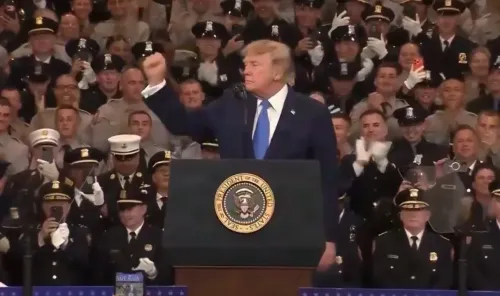
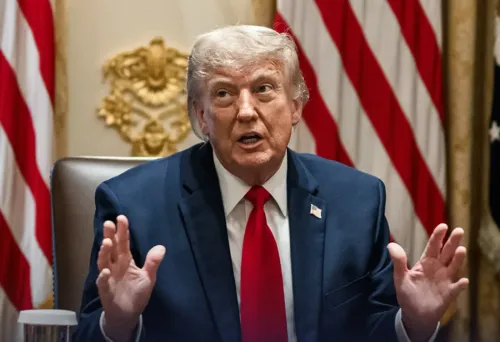
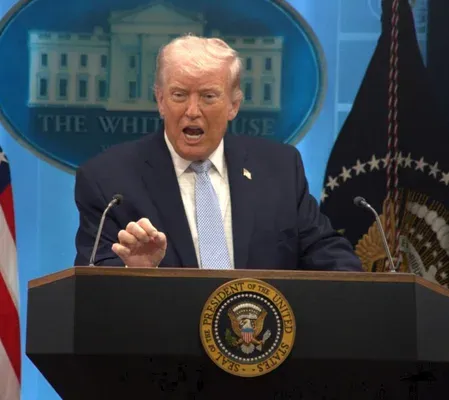
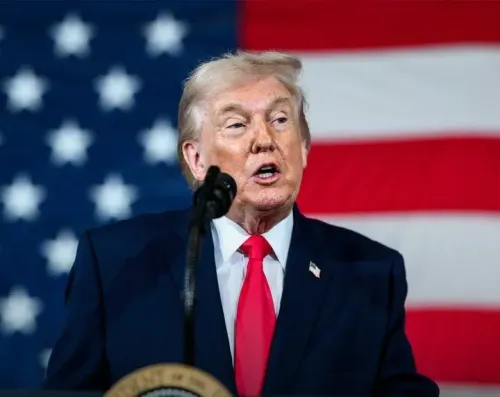
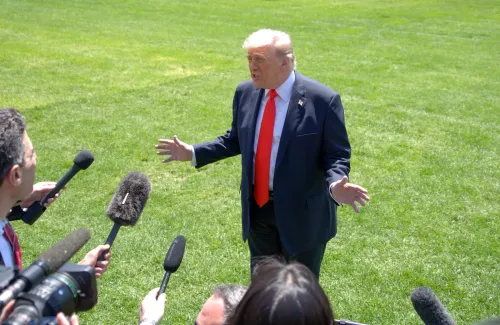
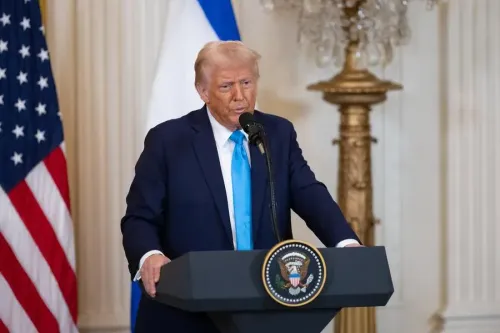
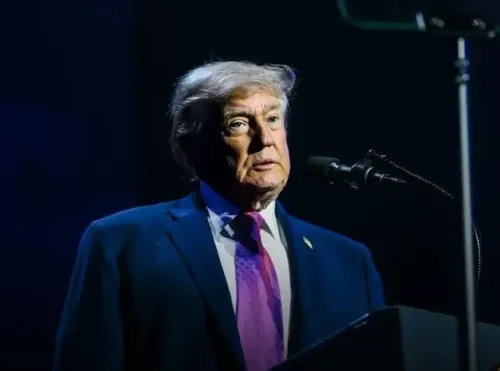
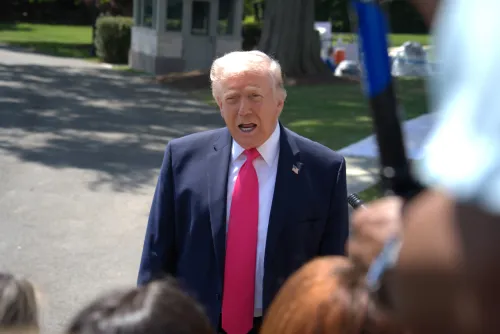
US President Donald Trump had claimed at a New York rally that he would soon declare the strait a US territory .
Iranian Foreign Minister Seyed Abbas Araghchi said Iran has made no decision on resuming formal negotiations with the US , though messages are being exchanged through mediators.
Iran and Oman are negotiating an alternative shipping route through the strait, with Araghchi saying a conclusion may come soon.
The Iran-US MoU signed on 18 June set a 60-day negotiation deadline that expires Monday ; talks remain in doubt amid renewed escalation.
Iranian Deputy Foreign Minister Kazem Gharibabadi declared on Saturday, 15 August that the Strait of Hormuz will be closed and reopened exclusively under Iran's command, directly rejecting a claim by US President Donald Trump who said he would soon declare the strategic waterway a US territory. The remarks, posted on X, mark one of Tehran's sharpest public rebuttals to Washington in recent weeks.
Iran's Direct Rebuke to Trump
Gharibabadi, who holds the legal and international affairs portfolio in Iran's foreign ministry, responded to Trump's rally statement with pointed language. “The Strait of Hormuz can be captured neither with a tweet and aircraft carriers nor by issuing orders and a stump speech. Iran is neither afraid of threats nor intimidated by displays of power,” he wrote.
“This strait will only be closed and opened under Iran's command,” he added. The statement came hours after Trump, speaking at a rally in New York, said: “After we finish defeating Iran -- which is being very badly defeated -- pretty soon I'll be declaring the Hormuz Strait a territory of the United States.”
Iran's Foreign Minister on Stalled Talks
Separately, Iranian Foreign Minister Seyed Abbas Araghchi said on Saturday that Iran has made no decision on resuming formal negotiations with the United States, according to state broadcaster IRIB. In an interview, Araghchi acknowledged that messages are being exchanged through mediators, but stressed that “this does not mean negotiations at all.”
He also alleged that the United States had “violated” the peace memorandum of understanding (MoU) signed between the two sides in June, which had formally announced the end of hostilities on all fronts, including Lebanon. Clashes reportedly resumed after the alleged breach.
A New Route Through Oman
Araghchi disclosed that negotiations are currently underway between Iran and Oman to designate an alternative route for safe vessel passage through the Strait of Hormuz. “We are currently designing a temporary route, which will turn into a permanent one in the next stages,” he said, adding that a conclusion may be reached “soon.”
However, he made clear that any reopening of the strait remains conditional. The resumption, he said, hinges on the fulfilment of other conditions “to which the United States must be committed.”
The MoU and the 60-Day Deadline
The Iran-US MoU, signed on 18 June, called for negotiations within 60 days to reach a final agreement. That deadline falls on Monday. The talks' future, however, remains uncertain following fresh escalation between the two countries over the past month. The Strait of Hormuz — through which roughly 20% of global oil supply transits — sits at the centre of this diplomatic standoff, making the outcome consequential far beyond the two nations involved.
With the 60-day window closing and no formal talks confirmed, the trajectory of the Iran-US standoff over the strait will come into sharper focus in the days ahead.
Point of View
Vague on next steps. The real story is the expiring 60-day MoU deadline, which has received far less attention than the rhetorical fireworks. If that window closes without a framework, the strait — carrying a fifth of global oil supply — becomes a live flashpoint, not a diplomatic talking point. The Oman channel offers a face-saving off-ramp, but only if Washington signals it will meet Iran's unspecified conditions.
NationPress
30 Sept 2026
Frequently Asked Questions
What did Iran's Deputy Foreign Minister say about the Strait of Hormuz?
Iranian Deputy Foreign Minister Kazem Gharibabadi declared on 15 August that the Strait of Hormuz will be closed and reopened only under Iran's command. He made the remarks on X in direct response to US President Donald Trump's claim that he would soon declare the strait a US territory.
What did Trump say about the Strait of Hormuz?
Speaking at a rally in New York, Trump said: 'After we finish defeating Iran — which is being very badly defeated — pretty soon I'll be declaring the Hormuz Strait a territory of the United States.' Iran rejected the claim as an empty threat.
What is the Iran-US MoU and when does it expire?
The Iran-US memorandum of understanding (MoU), signed on 18 June, formally announced the end of hostilities on all fronts including Lebanon, and set a 60-day window for formal negotiations toward a final agreement. That deadline falls on Monday, 18 August, with talks still unconfirmed.
Is Iran negotiating an alternative route through the Strait of Hormuz?
Yes. Iranian Foreign Minister Seyed Abbas Araghchi confirmed that Iran and Oman are in negotiations to designate an alternative route for safe vessel passage through the strait. He said a temporary route is being designed and may become permanent, with a conclusion possibly coming soon.
Why does the Strait of Hormuz matter globally?
The Strait of Hormuz is one of the world's most critical oil transit chokepoints, with roughly 20% of global oil supply passing through it. Any closure or disruption would have immediate consequences for global energy markets and supply chains.