Trump says Hormuz talks ongoing 'by tomorrow'; Iran flatly denies negotiations
Synopsis
Trump claimed Hormuz talks could wrap up 'literally by tomorrow' — Tehran called that fiction. With a massive US strike reportedly shelved only after Gulf royals intervened, and a collapsed June MOU already on the books, the Strait of Hormuz is one miscommunication away from becoming a full-blown military flashpoint.
Key Takeaways
Donald Trump claimed on 4 August that talks to reopen the Strait of Hormuz could conclude 'literally by tomorrow'.
Iran's Foreign Ministry Spokesperson Esmaeil Baqaei categorically denied any ongoing negotiations with the US .
Iran confirmed back-channel consultations with Oman on a 'temporary arrangement' for maritime safety in the Strait.
Trump said he held off a planned 'massive bombing campaign' on Sunday after calls from Saudi Arabia , the UAE , Qatar , and others.
A Memorandum of Understanding signed on 17 June by Trump and Iranian President Masoud Pezeshkian collapsed within weeks after Iran attacked ships and the US blockaded Iranian ports.
An Iranian attack on a US base in Jordan killed three US Army personnel last month; Iran also struck Bahrain and Kuwait .
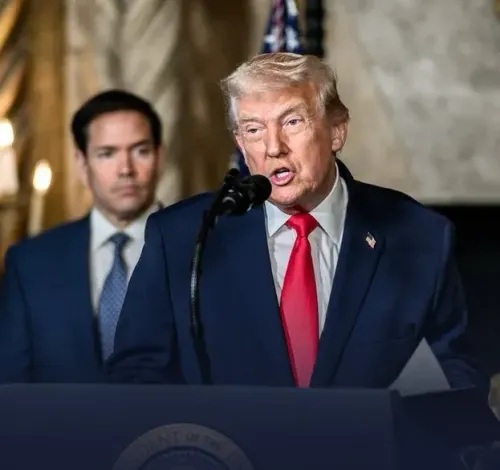
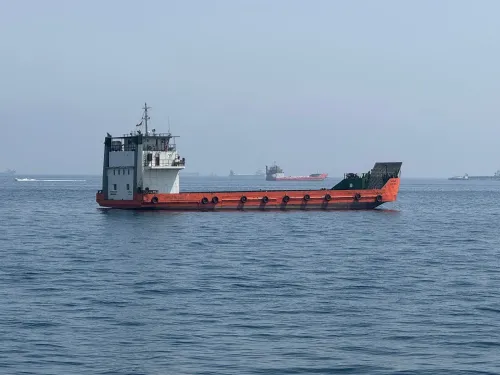
US President Donald Trump on Monday, 4 August claimed that negotiations to reopen the Strait of Hormuz — the chokepoint through which roughly 20 per cent of the world's fossil fuels flow — could conclude 'literally by tomorrow', even as Iran flatly denied that any talks with Washington were underway. The contradictory statements have left the fate of one of the world's most critical maritime corridors mired in uncertainty.
Trump's Oval Office Warning
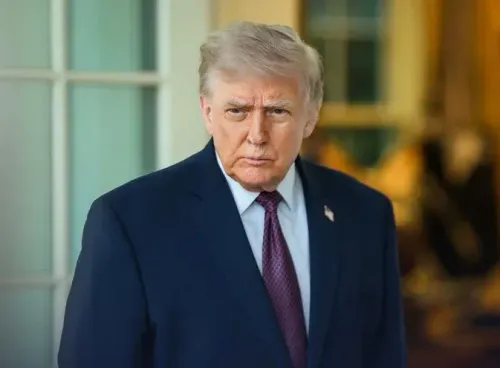
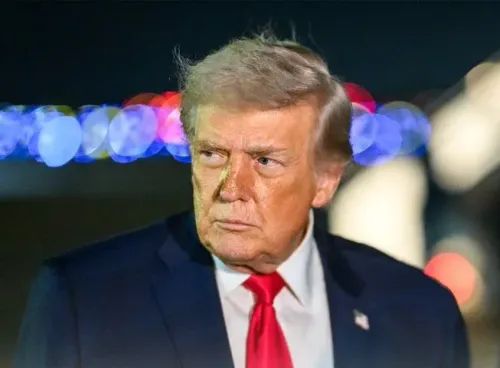
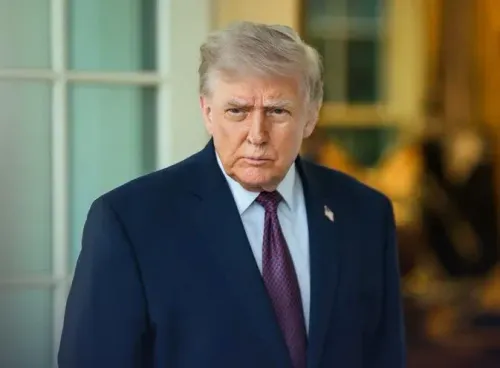
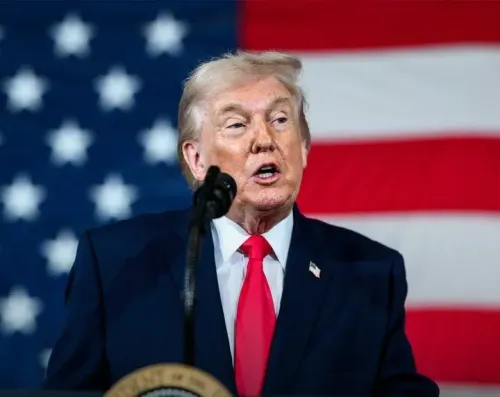
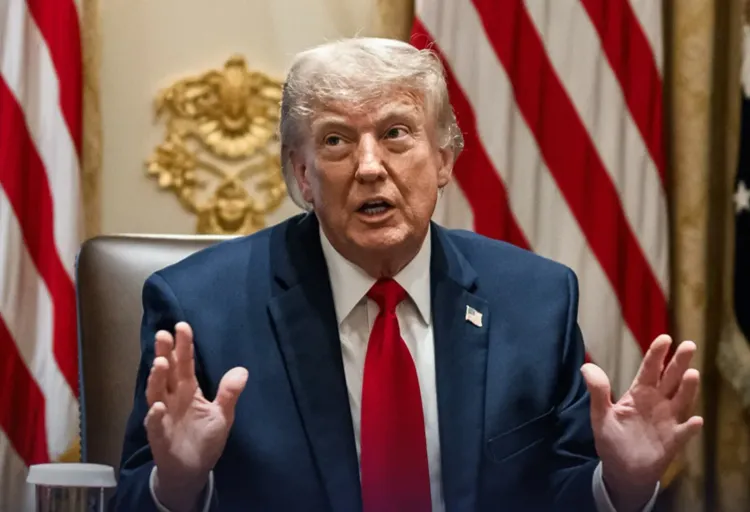
Speaking from the Oval Office, Trump said the situation would resolve itself 'one way or the other' and described the matter as 'not very complex'. His remarks came alongside a stark warning that he was giving Iran a 'last chance before decapitation' — language that signals the US is maintaining military pressure even while claiming diplomatic progress.
Trump separately posted on Truth Social that 'Iranian Leadership is unbelievably duplicitous', accusing Tehran of privately seeking meetings while publicly denying any discussions were taking place.
Tehran's Denial and the Oman Back-Channel
Iranian Foreign Ministry Spokesperson Esmaeil Baqaei, speaking at a news briefing in Tehran hours before Trump's Oval Office remarks, stated categorically: 'We are not holding any negotiations with the United States at present.' He added that, with the exception of Foreign Minister Abbas Araghchi — who is on a pilgrimage to Iraq — all Iranian negotiators remained in Iran.
Baqaei did, however, confirm that Iran was in consultations with Oman — which sits across the Strait — over what the Iranian news agency Tasnim described as a 'temporary arrangement that would ensure maritime safety in the strategic waterway'. He emphasised that no other country was involved in the Muscat–Tehran talks.
Gulf States Step In to Prevent Escalation
Trump revealed that he had held off a 'massive bombing campaign' originally planned for Sunday after calls from Saudi Arabia, the United Arab Emirates, Qatar, and 'numerous' other parties urging restraint. Crown Prince Mohammed bin Salman spoke directly with Trump on Sunday and, according to the Saudi Press Agency, 'emphasised the necessity of prioritising dialogue to reduce tensions and the importance of exerting all possible efforts to achieve a truce that paves the way for diplomatic solutions.'
Trump claimed Iran was 'spooked' by leaks about the planned strike, which he described as 'very very hard, harder than any' since World War II. He said Iran subsequently pleaded to talk about the Strait.
Background: A Collapsed MOU and Widening Conflict
A Memorandum of Understanding on reopening the Strait was signed by Trump and Iranian President Masoud Pezeshkian on 17 June, but the agreement unravelled within weeks after Iran attacked ships in the Strait and the US responded by blockading Iranian ports.
The conflict has already drawn blood beyond the waterway. An Iranian attack on a US base in Jordan killed three US Army personnel — one of them of Indian origin — last month. Iran also struck targets in Bahrain and Kuwait in the resumed confrontation. Meanwhile, Israel's Prime Minister Benjamin Netanyahu, who reportedly initiated the 28 February bombing of Iran alongside the US, met Trump in Washington last week, after which media reports indicated preparations for a fresh strike potentially involving Israel.
A second strategic chokepoint, the Bab al-Mandab Strait leading to the Red Sea, has also been drawn into the conflict, with Iran-allied Houthis in Yemen attacking Saudi oil installations in the area — disrupting shipping that serves as an alternate oil export route, primarily for Saudi Arabia.
What Comes Next
With the Oman back-channel active but Washington and Tehran publicly contradicting each other, the diplomatic path to reopening the Strait remains fragile. Gulf states — which bear the most direct risk from any Iranian retaliation — are likely to continue pressing both sides for de-escalation. Any breakdown in the Muscat talks could rapidly push the situation toward the military scenario that was reportedly shelved on Sunday.
Point of View
A pattern that has repeated across multiple US-Iran standoffs since 2019. The collapsed June MOU is the most damning data point: both sides signed, both sides violated it within weeks. Gulf states intervening to hold off a Sunday strike underscores how little control Washington's own allies feel they have over the escalation timeline. The Bab al-Mandab front opening simultaneously suggests Iran is playing a multi-chokepoint strategy — raising the cost of any US military action beyond what a single strike can resolve.
NationPress
18 Sept 2026
Frequently Asked Questions
What did Trump say about the Strait of Hormuz on 4 August?
Trump claimed from the Oval Office on 4 August that negotiations to reopen the Strait of Hormuz could conclude 'literally by tomorrow', while simultaneously warning Iran it was getting a 'last chance before decapitation'. Iran denied any such talks were taking place.
Why did Iran deny negotiations with the US?
Iranian Foreign Ministry Spokesperson Esmaeil Baqaei stated at a Tehran news briefing that Iran was 'not holding any negotiations with the United States at present'. Iran said it was in separate consultations only with Oman, with no other country involved.
What is the Oman back-channel about?
Iran confirmed it is in consultations with Oman — which sits across the Strait of Hormuz — over a 'temporary arrangement that would ensure maritime safety in the strategic waterway', according to Iranian news agency Tasnim. Baqaei said no other country was party to the Muscat–Tehran talks.
Why was a planned US bombing campaign on Iran called off on Sunday?
Trump said he held off the strike after Saudi Arabia, the UAE, Qatar, and 'numerous' other parties called urging restraint. Saudi Crown Prince Mohammed bin Salman reportedly emphasised prioritising dialogue to reduce tensions and achieve a truce.
What happened to the June 17 Memorandum of Understanding on the Strait?
The MOU signed by Trump and Iranian President Masoud Pezeshkian on 17 June to reopen the Strait of Hormuz collapsed within weeks after Iran attacked ships in the Strait and the US responded by blockading Iranian ports.