CM Bhupendra Patel Defends SIR Process at GCCI Dialogue
Synopsis
Gujarat CM Bhupendra Patel met GCCI leaders in Ahmedabad under the 'Save Democracy, Remove Anarchy' campaign to defend the SIR process as fully transparent, directly countering what he called Congress's deliberate efforts to spread confusion among citizens.
Key Takeaways
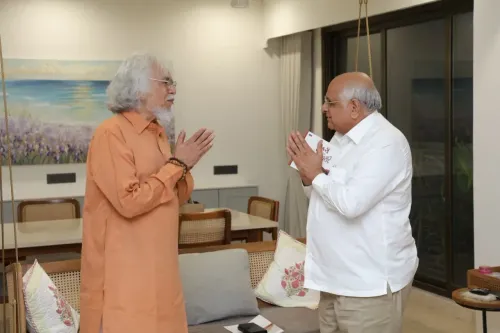
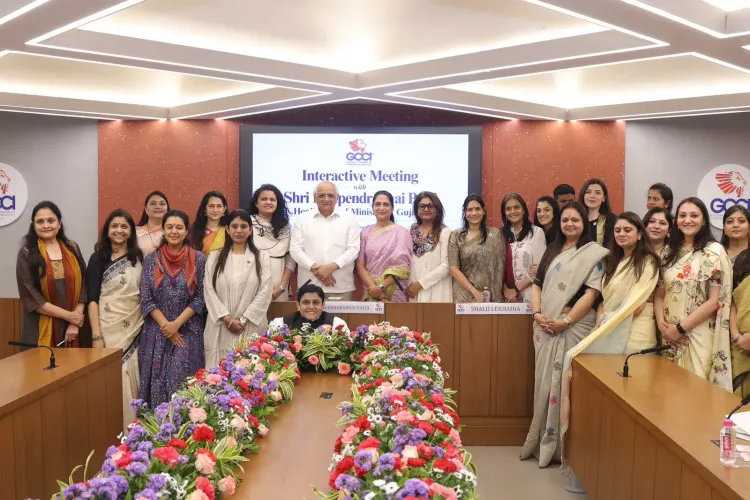
CM Bhupendra Patel held a structured dialogue with the GCCI women's wing and core committee in Ahmedabad on November 2, 2026 .
The meeting took place under the 'Save Democracy, Remove Anarchy' campaign banner.
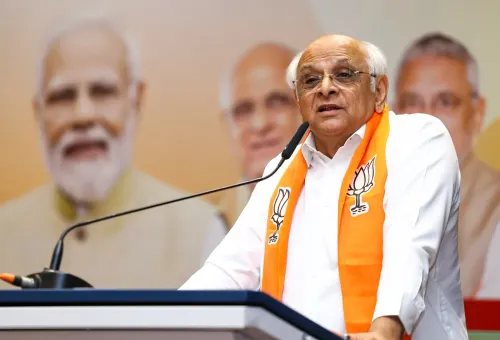
Patel defended the SIR process , asserting it has been implemented with 'complete transparency.' He characterised Congress as an 'obstruction party' ( avarodh paksha ) spreading misinformation about the process.
The CM reaffirmed commitment to the Viksit Bharat (Developed India) vision and vowed to continue exposing the opposition's 'negative agenda.' Further meetings under the 'Save Democracy' campaign are anticipated across Gujarat.
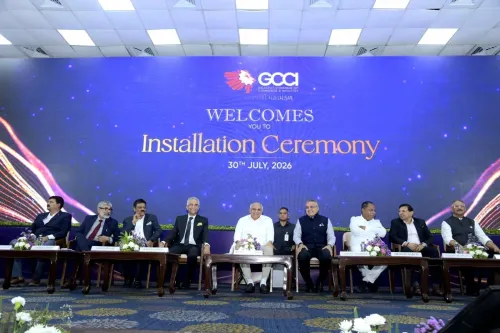
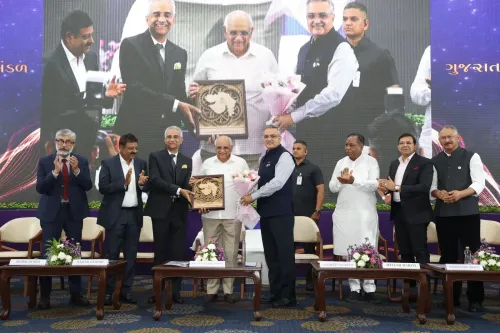
Gujarat Chief Minister Bhupendra Patel took his government's case directly to the business community on Monday, November 2, 2026, convening a pointed dialogue with the women's wing and core committee of the Gujarat Chamber of Commerce and Industry (GCCI) in Ahmedabad — and making clear the BJP has no intention of letting what it calls Congress's 'misinformation campaign' go unanswered.
SIR at the Centre of the Storm
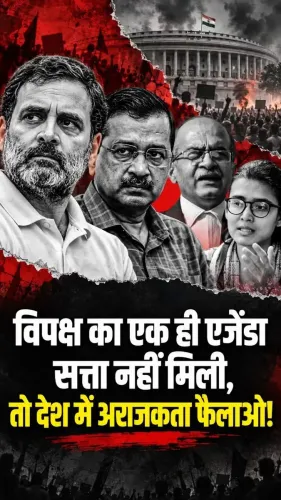
The meeting was held under the banner of the 'Loktantra Bachavo, Arajaktā Hatāvo' ('Save Democracy, Remove Anarchy') campaign. CM Patel maintained that the SIR process — the specific administrative exercise now under public scrutiny — has been implemented with 'complete transparency,' and that the opposition's characterisation of it amounts to deliberate fear-mongering. He described Congress not merely as a vipaksha (opposition party) but as an avarodh paksha — a 'party of obstruction.'
The choice of audience was deliberate. By bringing the conversation into a chamber-of-commerce setting, Patel signalled that the government considers the business and professional community a key constituency for winning the narrative war around the SIR rollout. Members engaged in what the CM called 'meaningful dialogue' on the 'reality and positive aspects' of the process.
GCCI Women's Wing as a Messenger Platform
The GCCI is one of Gujarat's most prominent industry bodies, and its women's wing has grown into a visible civic voice in Ahmedabad. Hosting a political outreach session there — rather than at a BJP party office — frames the discussion as civic education rather than partisan mobilisation. Patel's team appears to be betting that credibility flows from the venue and the audience as much as from the message itself.
The CM reiterated the government's resolve to 'expose the opposition's negative agenda' and to press forward on the path toward a Viksit Bharat (Developed India). He ended on a confident note: 'Enlightened citizens will never allow such attempts to disturb the country's development and peace to succeed.'
A Pattern Playing Out Across BJP-Governed States
The 'Save Democracy, Remove Anarchy' framing is not unique to Gujarat. Across BJP-governed states, similar campaign language has appeared whenever administrative processes — electoral rolls, policy rollouts, land surveys — come under opposition fire. The playbook is consistent: reframe the bureaucratic exercise as a development necessity, label opposition critique as anarchic, and take the message beyond the party faithful into civil-society spaces.
For the Indian National Congress, which has long accused BJP governments of using such exercises for electoral advantage, the GCCI meeting is likely to harden rather than soften the dispute. Further sessions under the 'Save Democracy' campaign are expected across the state.
Whether Gujarat's informed citizens ultimately side with the government's transparency claim or the opposition's skepticism, the CM has made one thing unmistakable: this fight is moving from X timelines into boardrooms.
Point of View
CM Patel is threading a careful needle — casting what is essentially partisan messaging as civic dialogue. The 'Save Democracy, Remove Anarchy' framing is a well-worn BJP template that has proven effective at placing the opposition on the defensive during administrative roll-outs. The real test is whether Gujarat's business community — historically pragmatic and commercially focused — acts as an amplifier for the government's transparency claims or quietly distances itself from the political heat. If subsequent GCCI or civil-society sessions follow, it suggests the BJP is willing to invest significant organisational capital in winning this specific narrative battle ahead of any upcoming electoral cycle.
NationPress
2 Nov 2026
Frequently Asked Questions
What is the SIR process in Gujarat?
The specific details of the SIR process have not been independently confirmed; CM Patel has described it as an administrative exercise being implemented with 'complete transparency,' but an official public clarification from state or Election Commission sources is awaited.
What is the 'Save Democracy, Remove Anarchy' campaign?
It is a BJP-led outreach campaign in Gujarat under which CM Bhupendra Patel and party leaders are holding public dialogues to counter what the government calls Congress's misinformation about the SIR process.
Why did CM Patel meet the GCCI women's wing?
Patel chose the GCCI platform to take his government's case on the SIR process to Gujarat's business and professional community, framing the engagement as a civic conversation rather than a party-political event.
What has Congress said about the SIR process?
According to CM Patel's post, Congress has been spreading 'misunderstanding and confusion' among citizens about the SIR process; the party's own formal response has not been detailed in available sources.
Where was the GCCI meeting held?
The meeting was held in Ahmedabad , Gujarat's largest city, on November 2, 2026 .