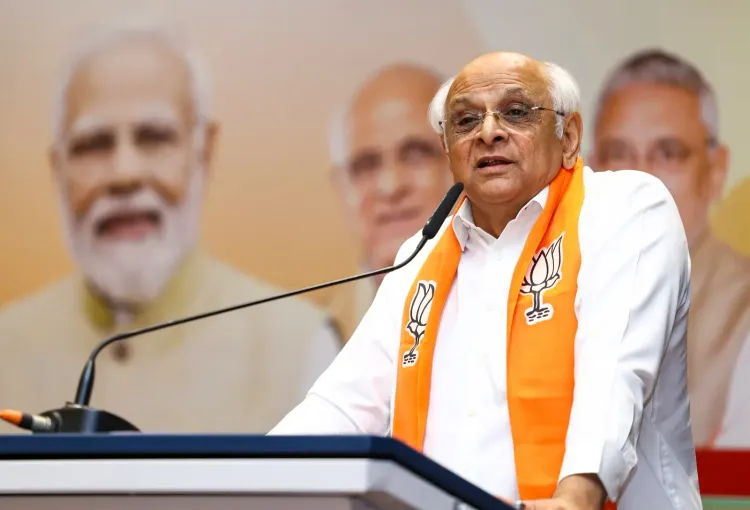
Gujarat CM Bhupendra Patel backs One Nation One Election at JPC meet
Synopsis
Gujarat CM Bhupendra Patel told the One Nation One Election JPC that frequent polls pull lakhs of migrant workers off factory floors and tie up the state machinery for months — framing simultaneous elections not just as a governance fix but as an industrial necessity. Gujarat's submission was called a 'model presentation' by the JPC chair.
Key Takeaways
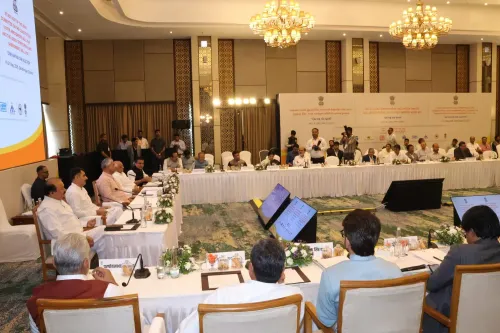
Gujarat CM Bhupendra Patel presented the state's support for 'One Nation, One Election' before the JPC at GIFT City, Gandhinagar on 20 May .
Patel argued that frequent elections disrupt production by compelling lakhs of migrant workers in Gujarat to return home to vote.
He cited India's first 15 years post-Independence as historical precedent for simultaneous elections.
The 39-member JPC , chaired by BJP MP P.
Chaudhary , is on a three-day Gujarat visit as part of nationwide consultations.
Gujarat's presentation was described as a 'model presentation' by JPC chair Chaudhary.
The committee is also reviewing recommendations from the high-level panel headed by former President Ram Nath Kovind .
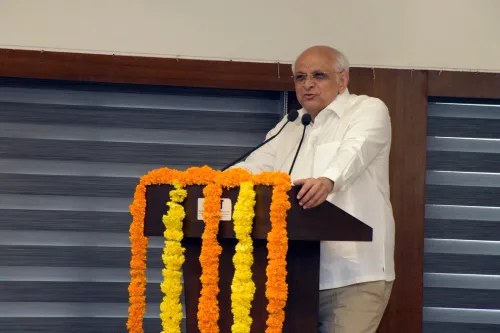
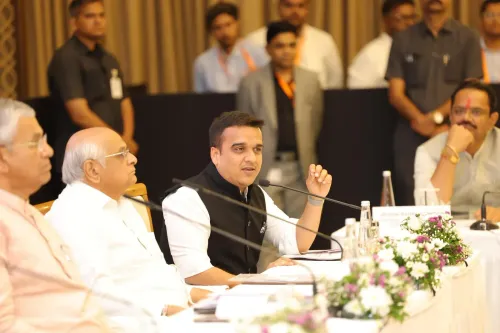
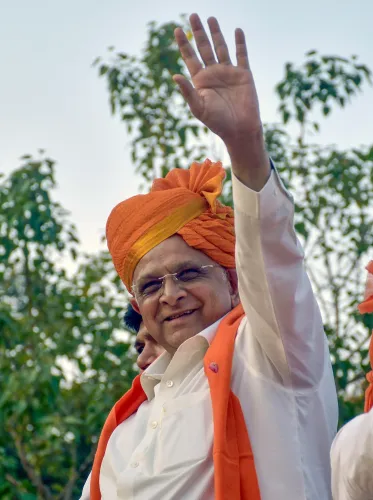
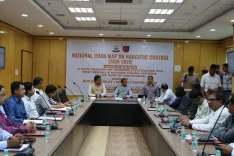
Gujarat Chief Minister Bhupendra Patel on Wednesday, 20 May presented the state's formal support for the 'One Nation, One Election' proposal before the Joint Parliamentary Committee (JPC) examining the reform, arguing that frequent elections drain the state machinery and disrupt economic activity in industrial states like Gujarat. The consultation was held at GIFT City, Gandhinagar.
Impact on Governance and Industry
Patel told the parliamentary panel that repeated election cycles require extensive deployment of logistics, infrastructure, and manpower, leaving large sections of the state administration occupied with electoral duties for prolonged periods. He argued that this structural disruption compromises governance continuity and policy delivery.
The Chief Minister highlighted a specific economic dimension unique to Gujarat. 'In a developed and industrial state like Gujarat, lakhs of workers from other regions are employed here. Frequent elections compel many of them to return to their native places to cast their votes, which also affects production in the state,' he said while presenting the state's position before the committee.
Historical Precedent and Reform Context
Patel drew on post-Independence history to bolster his case, noting that India had conducted simultaneous Lok Sabha and Assembly elections for nearly 15 years after Independence before the arrangement collapsed due to political instability and premature dissolution of legislatures. He described the current proposal as a restoration of that original design rather than an entirely new experiment.
He also situated the reform within a broader pattern of administrative standardisation pursued by the Centre under Prime Minister Narendra Modi, citing 'One Nation, One Tax', 'One Nation, One Ration Card', 'One Nation, One Grid', and 'One Nation, One Subscription' as precedents. He described the simultaneous elections proposal as aligned with Modi's vision of 'Ek Bharat Shreshtha Bharat'.
What the JPC Is Examining
The 39-member JPC, chaired by Bharatiya Janata Party (BJP) MP P. P. Chaudhary, is on a three-day visit to Gujarat as part of nationwide consultations. The committee is reviewing constitutional, legal, and administrative aspects of the proposal, including recommendations from the high-level committee headed by former President Ram Nath Kovind.
On Tuesday, the JPC held discussions with senior state government officials and reviewed a detailed presentation by the state administration. Chaudhary described Gujarat's submission as a 'model presentation' and indicated that similar formats could be recommended to other states.
Broader Argument for Democratic Participation
Beyond administrative efficiency, Patel argued that simultaneous elections would reduce the financial burden on the exchequer and improve voter enthusiasm. 'In the development journey of any nation, good governance, policy clarity, and public participation are extremely important. One Nation, One Election can become an important step in accelerating the country's development,' he said.
He also acknowledged the value of the JPC's consultative process, noting that engagement with diverse political parties and stakeholders would help consolidate varied perspectives and provide direction for future reforms. The committee's final recommendations are expected to shape the legislative roadmap for the proposal.
Frequently Asked Questions
What did Gujarat CM Bhupendra Patel tell the JPC about One Nation One Election?
Chief Minister Bhupendra Patel told the JPC on 20 May that frequent elections tie up state machinery for prolonged periods and force lakhs of migrant workers in Gujarat to leave their jobs to vote, hurting industrial output. He argued that simultaneous Lok Sabha and Assembly elections would improve governance efficiency and reduce financial burden.
What is the JPC examining under One Nation One Election?
The 39-member Joint Parliamentary Committee, chaired by BJP MP P. P. Chaudhary, is examining the constitutional, legal, and administrative aspects of holding simultaneous elections to the Lok Sabha and all State Assemblies. It is also reviewing recommendations from the high-level committee headed by former President Ram Nath Kovind.
Where did the JPC consultation with Gujarat take place?
The consultation was held at GIFT City in Gandhinagar on 20 May. The JPC is on a three-day visit to Gujarat as part of a broader nationwide stakeholder consultation process.
Has India ever held simultaneous elections before?
Yes. According to Chief Minister Patel, India conducted simultaneous Lok Sabha and Assembly elections for nearly 15 years after Independence. The arrangement broke down due to political instability and the premature dissolution of some state legislatures.
What other 'One Nation' reforms did Patel reference in his presentation?
Patel cited 'One Nation, One Tax' (GST), 'One Nation, One Ration Card', 'One Nation, One Grid', and 'One Nation, One Subscription' as examples of administrative standardisation already implemented under Prime Minister Narendra Modi, framing simultaneous elections as a natural extension of that reform trajectory.