One Nation One Election: Gujarat backs plan, cites 50 lakh man-hours saved
Synopsis
Gujarat has become one of the most vocal state-level advocates for simultaneous elections, with Deputy CM Harsh Sanghavi putting a concrete number — 50 lakh man-hours — on the administrative cost of frequent polls. With the JPC on a nationwide tour and a 2029 implementation target on the table, the consultations are entering a decisive phase.
Key Takeaways
Gujarat Deputy CM Harsh Sanghavi backed 'One Nation, One Election' after meeting the JPC in Gandhinagar on 20 May .
Sanghavi said simultaneous polls could save nearly 50 lakh man-hours of state government staff per election cycle.
Each election requires individuals to devote 15 to 25 full days ; the Model Code of Conduct freezes normal governance for up to 85 days per Lok Sabha poll.
Gujarat has held elections in 2022, 2024, 2026 and is due for state polls in 2027 , illustrating the frequency of electoral cycles.
The 39-member JPC , led by BJP MP P.
Chaudhary , is on a three-day Gujarat visit as part of nationwide consultations.
The Kovind committee has recommended a phased simultaneous-elections rollout from 2029 , subject to constitutional amendments.
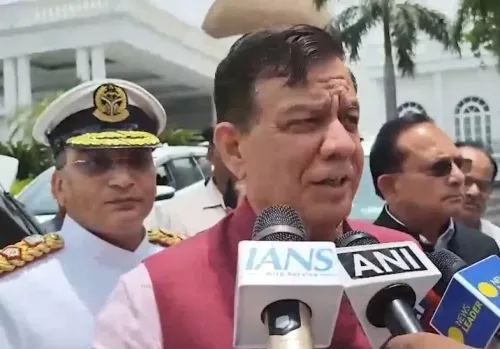
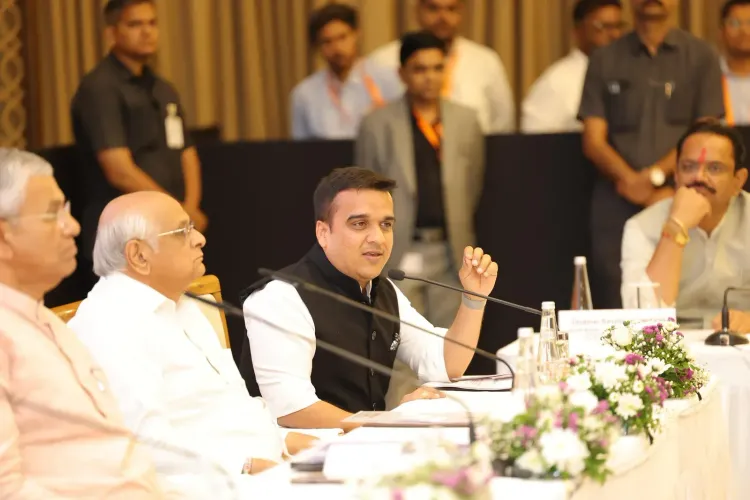
Gujarat Deputy Chief Minister Harsh Sanghavi on Wednesday, 20 May threw the state's full weight behind the 'One Nation, One Election' proposal, arguing that simultaneous polls could recover nearly 50 lakh man-hours currently consumed by repeated election cycles. Sanghavi made the remarks after the state government met the Joint Parliamentary Committee (JPC) examining the proposal in Gandhinagar.
What Gujarat Told the JPC
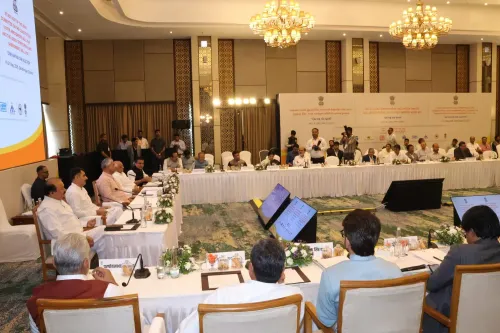
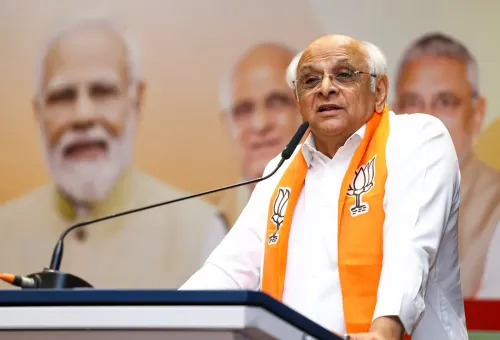
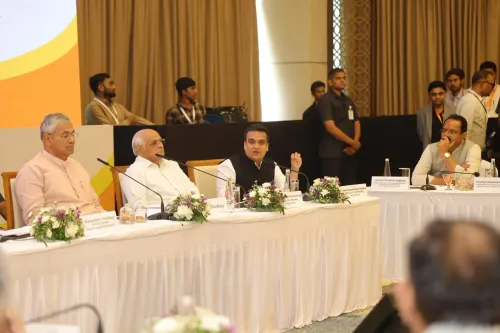
The state government's interaction with the committee was held under the chairmanship of Chief Minister Bhupendra Patel, with Sanghavi confirming that Gujarat extended 'full support' to the initiative. Several state government departments and organisations also made representations before the panel during its visit.
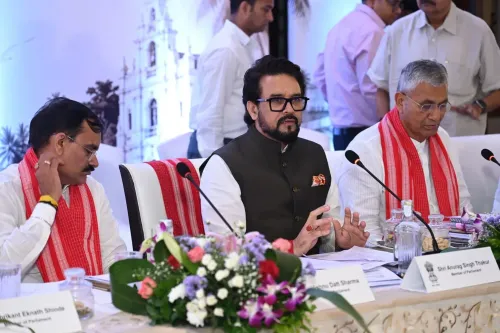
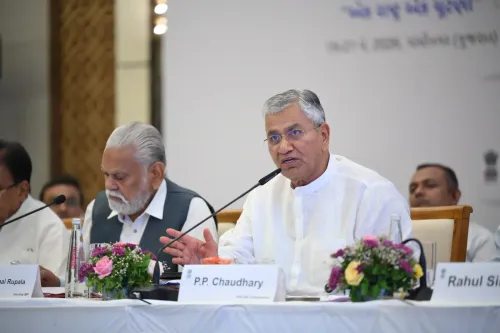
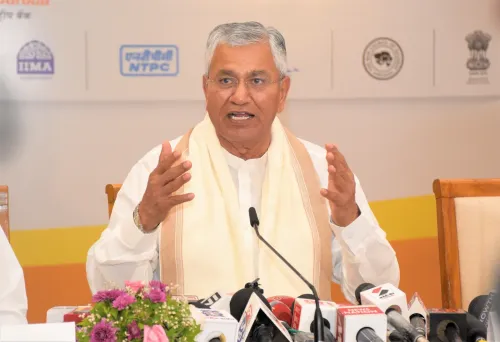
The 39-member JPC, headed by Bharatiya Janata Party (BJP) MP P. P. Chaudhary, is on a three-day visit to Gujarat as part of nationwide consultations on the feasibility of holding Lok Sabha and State Assembly elections simultaneously.
The Man-Hours Argument
Sanghavi laid out a granular case for the administrative burden of frequent elections. 'If we talk about one individual, then to conduct one election completely, a person has to devote 15 to 25 full days for it,' he said. Aggregated across all deployed staff in the state, that translates to roughly 50 lakh man-hours per election cycle — whether Assembly or Lok Sabha.
He also highlighted the drag imposed by the Model Code of Conduct (MCC): Lok Sabha elections keep the MCC in force for 60 to 85 days, while Assembly elections consume 45 to 50 days in the overall process. During this window, welfare-related work and routine administrative functioning are effectively paused.
Gujarat's Crowded Election Calendar
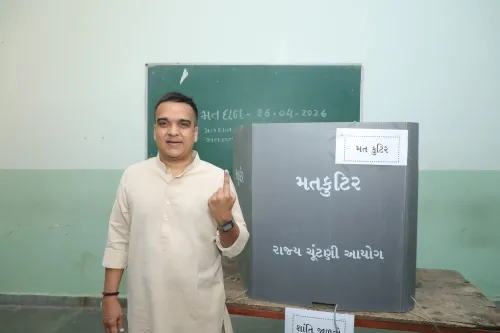
Sanghavi pointed to Gujarat's recent electoral frequency to underscore the strain: voters in the state participated in Assembly elections in 2022, Lok Sabha elections in 2024, local self-government elections in 2026, and are set to vote again in state elections in 2027. He argued that simultaneous elections would reduce disruption to public services, law-and-order arrangements, and ease the burden on voters required to turn out multiple times within a single five-year period.
Who Attended the Consultations
Leaders from the BJP, Indian National Congress (Congress), and Aam Aadmi Party (AAP), along with MLAs, ministers, and State Legislative Assembly Speaker Shankar Chaudhary, participated in the Gandhinagar consultations earlier in the day. The JPC has been conducting similar consultations with political parties, constitutional experts, and state governments across the country.
Background: The Kovind Committee Recommendation
The simultaneous elections proposal stems from the report of a high-level committee chaired by former President Ram Nath Kovind, which recommended aligning electoral cycles and implementing the process in phases beginning from 2029, subject to constitutional amendments. The JPC's nationwide tour is part of the legislative groundwork ahead of any formal introduction of the necessary bills in Parliament.
How the committee synthesises state-level feedback — including both support and reservations from opposition-ruled states — will shape the final legislative contours of the proposal.
Point of View
One Election' from a constitutional debate into an efficiency argument, harder to oppose on principle. But the man-hours saved in a BJP-governed state tell only part of the story — the proposal's real test lies in how opposition-ruled states, which have more to lose from synchronised cycles, respond to the JPC. The Kovind committee's 2029 phased rollout requires constitutional amendments that need broad consensus, and no such consensus is yet visible. Administrative efficiency is a legitimate concern, but it cannot substitute for the harder conversation about federalism and electoral autonomy.
NationPress
5 Oct 2026
Frequently Asked Questions
What is the 'One Nation, One Election' proposal?
'One Nation, One Election' is a proposal to hold Lok Sabha and all State Assembly elections simultaneously, rather than on separate schedules. A high-level committee chaired by former President Ram Nath Kovind recommended implementing it in phases from 2029, subject to constitutional amendments.
Why does Gujarat support simultaneous elections?
Gujarat Deputy CM Harsh Sanghavi argued that holding elections separately consumes nearly 50 lakh man-hours of state government staff per election cycle, with each individual devoting 15 to 25 full days per election. The state also cited the Model Code of Conduct's disruption to welfare and administrative work for up to 85 days per poll.
What is the Joint Parliamentary Committee examining?
The 39-member JPC, headed by BJP MP P. P. Chaudhary, is examining the feasibility of simultaneous Lok Sabha and State Assembly elections. It is conducting a nationwide consultation with political parties, constitutional experts, and state governments, and was on a three-day visit to Gujarat on 20 May.
Who attended the JPC consultations in Gandhinagar?
The consultations in Gandhinagar were attended by leaders from the BJP, Congress, and AAP, along with MLAs, ministers, and State Legislative Assembly Speaker Shankar Chaudhary. The state government's interaction with the JPC was chaired by Chief Minister Bhupendra Patel.
When could simultaneous elections take effect in India?
The Kovind committee recommended a phased rollout beginning from 2029, contingent on constitutional amendments. The JPC's consultations are part of the legislative groundwork, but no formal bill has yet been introduced in Parliament.