One Nation One Election JPC holds party consultations in Gujarat on Day 2
Synopsis
The One Nation One Election JPC's Gujarat visit entered its second day with direct party consultations in Gandhinagar — BJP backing the proposal, Congress and AAP flagging federal concerns. With a ₹7 lakh crore savings claim on the table and a potential 2029 rollout, the committee is building a state-by-state record that will shape one of India's most consequential electoral reforms.
Key Takeaways
The JPC on One Nation One Election held Day 2 consultations in Gandhinagar on 20 May , engaging leaders from BJP , Congress , and AAP .
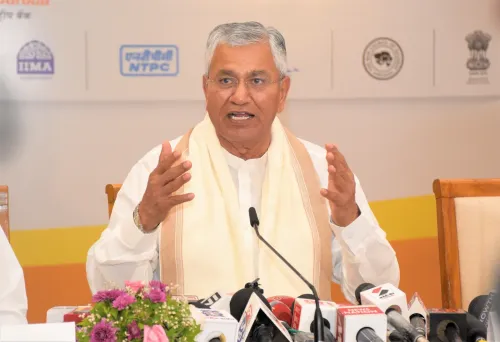
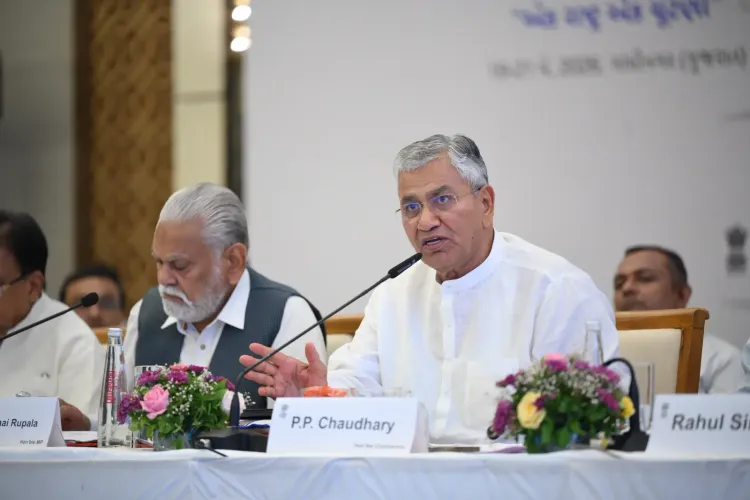
The 39-member committee , chaired by BJP MP P.P.
Chaudhary , is examining the Constitution (129th Amendment) Bill, 2024 and the Union Territories Laws (Amendment) Bill, 2024 .
Gujarat's Day 1 presentation at GIFT City was termed a 'model presentation' by Chaudhary and will be shared as a template with other states.
Economists cited by Chaudhary project simultaneous elections could boost GDP by 1.6% and save ₹7 lakh crore .
India last held simultaneous elections in 1967 ; the Kovind committee has recommended a phased rollout with possible implementation from 2029 .
Opposition parties raised concerns over constitutional structure , federal principles , and electoral fairness .
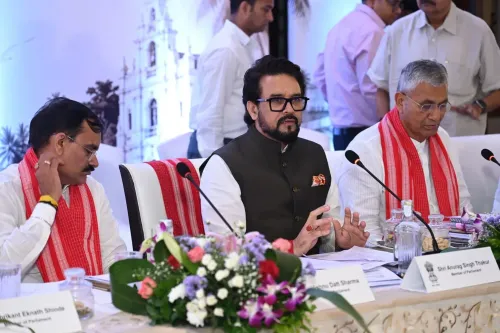
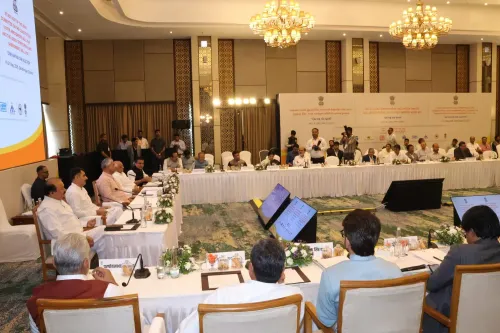
The Joint Parliamentary Committee (JPC) examining the 'One Nation, One Election' proposal advanced its three-day Gujarat visit on Wednesday, 20 May, with the second day dedicated to structured consultations with leaders from major political parties, sitting legislators, and senior state officials in Gandhinagar. The 39-member panel is tasked with assessing the constitutional and administrative feasibility of holding simultaneous elections to the Lok Sabha and State Legislative Assemblies.
Committee Composition and Mandate
The committee comprises 27 Lok Sabha MPs and 12 Rajya Sabha MPs, and is chaired by Bharatiya Janata Party (BJP) MP P.P. Chaudhary. It is specifically scrutinising the proposed Constitution (129th Amendment) Bill, 2024, and the Union Territories Laws (Amendment) Bill, 2024 — the two legislative instruments that would underpin any move to synchronised elections.
Day One: Gujarat's 'Model Presentation' at GIFT City
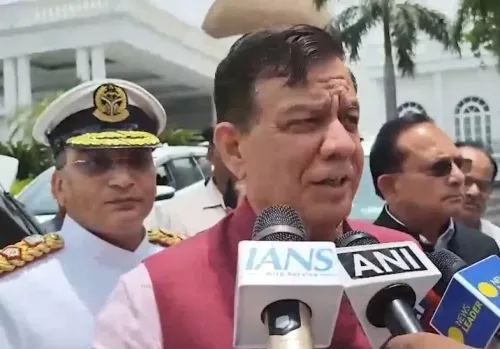
On the opening day of the visit, the JPC held discussions with senior state officials at GIFT City in Gandhinagar, where the state government delivered what Chaudhary described as a 'model presentation'. He noted it was the first time such a comprehensive and integrated submission had been placed before the committee, and appreciated the efforts of the Chief Secretary and senior administrative officials. Chaudhary indicated that the Gujarat template would be refined and shared with other states as a reference for similar submissions. He also told reporters that simultaneous elections could, according to economists, increase GDP by 1.6 per cent and save the country ₹7 lakh crore — funds that could be redirected to infrastructure, education, healthcare, and welfare programmes.
Day Two: Political Parties Place Their Positions
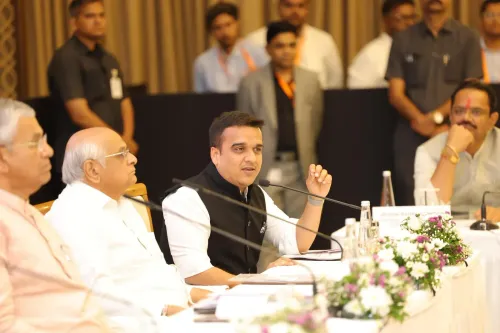
The second day saw representatives of all major parties invited for direct consultations with the panel. The Aam Aadmi Party (AAP) delegation included state president Isudan Gadhvi, MLAs Gopal Italia and Chaitar Vasava, and other party representatives. The Indian National Congress (Congress) delegation was led by state president Amit Chavda, accompanied by MLA Imran Khedawala and other leaders. The ruling BJP was represented by senior functionaries and legislators.
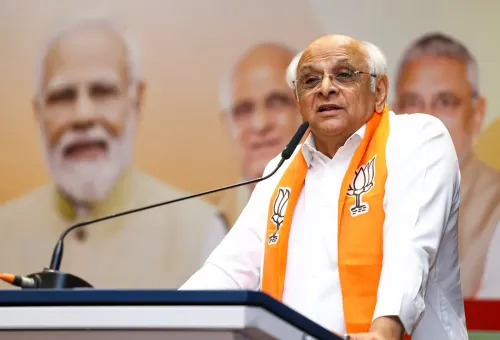
Chief Minister Bhupendra Patel, Deputy Chief Minister Harsh Sanghavi, Assembly Speaker Shankar Chaudhary, and several Cabinet ministers and MLAs also participated in the interactions. According to party representatives, BJP leaders reiterated their support for the proposal, while opposition parties raised concerns relating to constitutional structure, federal principles, and electoral fairness.
Background: Why Simultaneous Elections Were Abandoned
India last held simultaneous elections in 1967, after which the cycle was disrupted by the premature dissolution of several state assemblies and the Lok Sabha in subsequent years. The current proposal draws on the recommendations of a high-level committee chaired by former President Ram Nath Kovind, which submitted its report after extensive consultations. The Kovind panel suggested a phased approach — including alignment of electoral cycles and provisions for mid-term dissolutions — with possible implementation from 2029, contingent on constitutional amendments being completed.
What Comes Next
The JPC is scheduled to complete its Gujarat consultations over the remaining day of the visit before consolidating inputs for its final parliamentary report. The committee's structured engagement with states and political stakeholders is intended to produce recommendations that address both administrative practicality and constitutional concerns before the proposal is placed before Parliament.
Point of View
But the political fault lines in Gujarat mirror the national debate — the ruling party backs the proposal while opposition parties invoke federalism and constitutional safeguards. What is missing from these consultations is a credible, independent assessment of the 'GDP gain of 1.6%' and '₹7 lakh crore savings' figures being cited publicly by the committee chair; those numbers originate from advocacy, not peer-reviewed analysis, and their repeated use risks framing a constitutional question as an accounting exercise. The real test for the JPC will be whether its final report addresses the harder question — what happens to democratic accountability when a state government falls mid-term and elections must wait for a national cycle.
NationPress
16 Sept 2026
Frequently Asked Questions
What is the One Nation One Election proposal being examined by the JPC?
It is a proposal to synchronise elections to the Lok Sabha and all State Legislative Assemblies so they are held simultaneously, reducing electoral expenditure and administrative disruption. The JPC is examining two bills — the Constitution (129th Amendment) Bill, 2024, and the Union Territories Laws (Amendment) Bill, 2024 — that would give it legal effect.
Why is the JPC visiting Gujarat?
The JPC is conducting a structured three-day consultation visit to Gujarat to gather inputs from state officials, political party leaders, and legislators. Gujarat's state government delivered a detailed briefing at GIFT City in Gandhinagar that the committee chair called a 'model presentation', which will be shared as a template with other states.
Which parties participated in the Day 2 consultations and what were their positions?
Representatives from the BJP, Congress, and AAP participated in the Day 2 consultations in Gandhinagar. BJP leaders reiterated support for the proposal, while opposition parties — Congress and AAP — raised concerns about constitutional structure, federal principles, and electoral fairness.
When could One Nation One Election be implemented?
The high-level Kovind committee has recommended a phased approach, with possible implementation from 2029 if the required constitutional amendments are completed in time. The JPC must first submit its recommendations to Parliament before any legislative process can begin.
When did India last hold simultaneous elections?
India last held simultaneous Lok Sabha and state assembly elections in 1967. The cycle was broken in subsequent years due to the premature dissolution of several state assemblies and the Lok Sabha, creating the staggered election calendar that exists today.