One Nation One Election could save ₹7 lakh crore, boost GDP by 1.6%: JPC chief
Synopsis
The JPC on One Nation, One Election is putting a hard number on electoral disruption: ₹7 lakh crore in savings and a 1.6% GDP boost if polls are synchronised. With an 18,000-page report in the works and legal experts clearing the constitutional path, the proposal is moving from political talking point to legislative blueprint.
Key Takeaways
The JPC on One Nation, One Election says synchronised polls could save ₹7 lakh crore and add 1.5–1.6% to GDP growth.
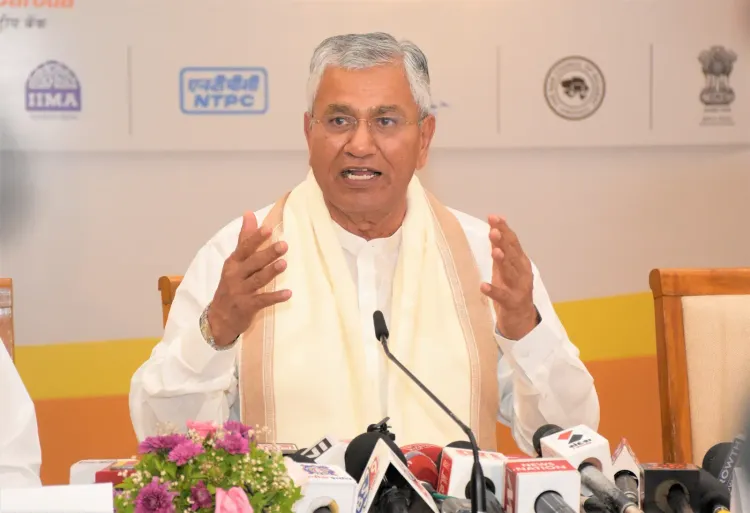
JPC Chairperson P.P.
Chaudhary made the announcement at a press conference in Gandhinagar on 19 May .
India held simultaneous elections until 1967 ; the cycle broke after the premature dissolution of seven state Assemblies in 1968 .
Nearly five crore labourers reportedly migrate during elections, disrupting industry, GST collections, and economic activity.
Legal experts consulted — including Harish Salve and Abhishek Manu Singhvi — found the proposal does not violate the Constitution or federal structure.
The JPC is finalising a report of more than 18,000 pages after consultations across seven states and UTs .
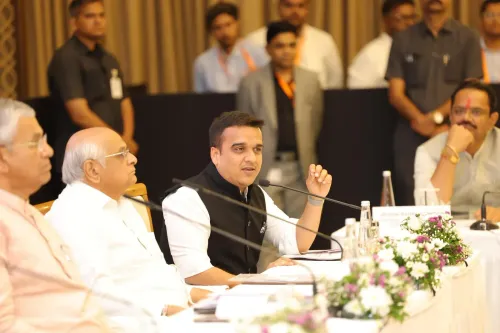
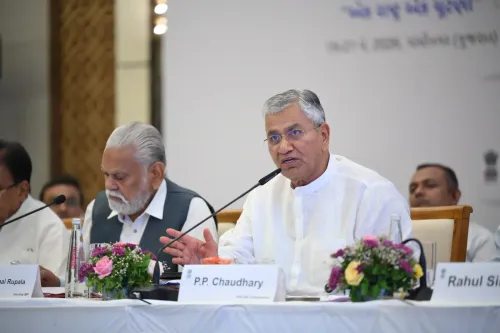
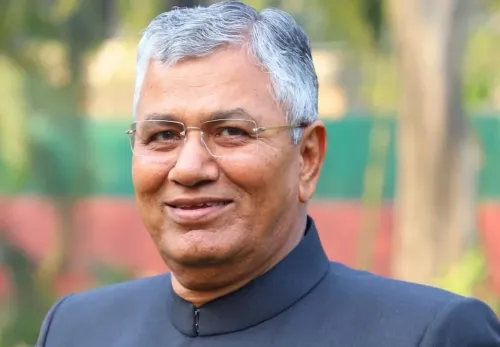
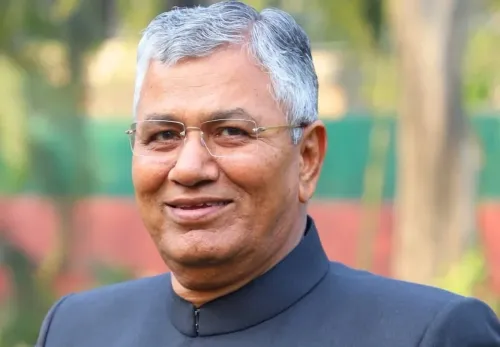
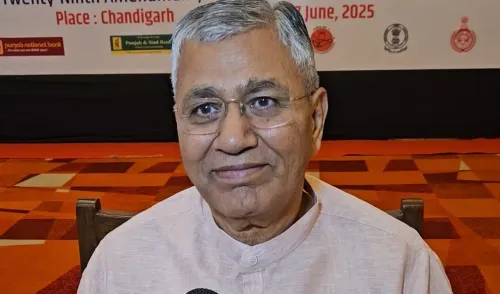
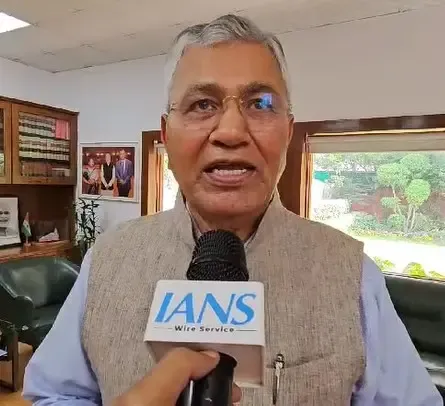
The Joint Parliamentary Committee (JPC) on 'One Nation, One Election' said on Tuesday, 19 May that synchronising Lok Sabha, Assembly, and local body elections could save nearly ₹7 lakh crore, lift GDP growth by up to 1.6 per cent, and significantly improve governance continuity across India. The assessment was presented by JPC Chairperson and Lok Sabha MP P.P. Chaudhary at a press conference in Gandhinagar, where he outlined the panel's ongoing consultations and proposed framework.
Historical Background and Institutional Support
Chaudhary traced the proposal's roots to India's own electoral past, noting that the country maintained a synchronised election system until 1967, when Lok Sabha and state Assembly polls were conducted together. 'The cycle was disturbed after the premature dissolution of seven state Assemblies in 1968 and later during the Emergency period. Gradually, elections across states went out of synchronisation,' he said.
He pointed out that multiple constitutional bodies have backed the idea over decades. The Election Commission of India first proposed simultaneous elections in 1983. The Law Commission supported it in several reports. In 2015, the Parliamentary Standing Committee on Law and Justice — headed by a Congress Rajya Sabha MP and comprising members across party lines — also recommended holding Lok Sabha and Assembly elections together.
Prime Minister Narendra Modi subsequently constituted an eight-member committee under former President Ram Nath Kovind to examine the proposal. That committee spent approximately 186 days preparing its report before the matter was referred to the JPC.
Economic Case: ₹7 Lakh Crore and 1.6% GDP Gain
Economists consulted by the JPC estimated that simultaneous elections could save approximately ₹7 lakh crore and add 1.5 to 1.6 per cent to GDP growth. Chaudhary attributed a significant portion of the economic disruption to labour migration during election periods.
'Nearly five crore labourers migrate for around a month during elections to return to their native places for voting. This affects industries, production, GST collections, and economic activity across states,' he said. He also cited the impact on tourism-dependent economies, singling out Uttarakhand, where the state government informed the committee that around 42 per cent of its economy depends on tourism. With Lok Sabha and Assembly elections falling in different tourism seasons, he argued, the state effectively suffers two disruptions per cycle.
Governance and Administrative Burden
Beyond the financial cost, Chaudhary highlighted the governance toll of continuous elections. With five to six states going to the polls every year, the country remains in a near-permanent election mode, diverting senior officials and department heads from their primary responsibilities.
'If officials from departments implementing welfare schemes are assigned election duties, policy implementation slows down. Government departments lose continuity when senior officers are repeatedly deployed for elections,' he said. He raised similar concerns about the education system, noting that government school teachers are routinely assigned to census operations, voter list preparation, and polling duties. 'If teachers are constantly engaged in election work, then who will teach the children?' he asked.
Constitutional Validity and Legal Consultations
Chaudhary said the JPC directly addressed concerns about whether the proposal infringes on the Constitution, the federal structure, or fundamental rights. The committee consulted former Chief Justices of India, former Supreme Court judges, and senior legal experts — including Harish Salve and Abhishek Manu Singhvi.
'The feedback from legal experts has been that synchronising election timings does not violate the Constitution or take away powers from states,' he said. He clarified that the proposal does not eliminate elections but structures them on a planned calendar: Lok Sabha and Assembly elections held simultaneously, followed by Panchayat and Municipality polls within 100 days.
What Comes Next
The JPC is preparing a report of more than 18,000 pages, compiled after consultations with constitutional experts, economists, former judges, political parties, educational institutions, industry representatives, and civil society stakeholders. The committee has already visited Maharashtra, Uttarakhand, Himachal Pradesh, Punjab, Chandigarh, Karnataka, and Gujarat as part of its nationwide outreach.
Further consultations with the Election Commission of India, the Home Ministry, political parties, and state governments on by-elections, local body elections, and implementation mechanisms are ongoing. The JPC's final report, when submitted, will form the legislative and constitutional basis for any move toward synchronised elections.
Point of View
But its credibility hinges on the methodology behind it — and the JPC has not yet published the economists' working. Simultaneous elections would structurally reduce campaign expenditure and administrative drag, but the harder challenge is political: no ruling party at the state level willingly shortens or extends its own mandate to fit a national calendar. The constitutional clearance from legal experts narrows the objection space, yet the federal pushback from non-BJP state governments remains the real obstacle the 18,000-page report will need to answer.
NationPress
26 Sept 2026
Frequently Asked Questions
What is One Nation, One Election?
One Nation, One Election is a proposal to synchronise Lok Sabha, state Assembly, and local body elections so they are held together on a planned national calendar, rather than staggered across the year. It does not mean elections happen only once; it means they are conducted simultaneously to reduce disruption and cost.
How much could simultaneous elections save India?
Economists consulted by the JPC estimated savings of approximately ₹7 lakh crore and a GDP growth increase of 1.5 to 1.6 per cent if elections are synchronised. The committee attributed a large share of current losses to labour migration, governance diversion, and disruption to tourism and industry during repeated election cycles.
Is One Nation, One Election constitutionally valid?
Legal experts consulted by the JPC — including Harish Salve and Abhishek Manu Singhvi — have said that synchronising election timings does not violate the Constitution or infringe on states' powers. The committee also consulted former Chief Justices of India and former Supreme Court judges before reaching this assessment.
What is the JPC's proposed framework for implementation?
The JPC proposes holding Lok Sabha and state Assembly elections simultaneously, followed by Panchayat and Municipality polls within 100 days. Further consultations with the Election Commission, the Home Ministry, political parties, and state governments on by-elections and implementation mechanisms are ongoing.
When did India last hold simultaneous elections?
India held synchronised Lok Sabha and Assembly elections until 1967. The cycle broke after the premature dissolution of seven state Assemblies in 1968 and was further disrupted during the Emergency period, after which state elections gradually fell out of step with national polls.