Omar Abdullah reviews SASCI capital investment progress in J&K
Synopsis
J&K Chief Minister Omar Abdullah's SASCI review on 10 November wasn't routine administration — it was a deadline-driven push to fully utilise Central interest-free infrastructure loans before the sunset window closes, while simultaneously laying the groundwork for the 2027–28 cycle. For a union territory rebuilding post-2019, drawing down every rupee of zero-cost capital could meaningfully shift J&K's infrastructure trajectory.
Key Takeaways
J&K Chief Minister Omar Abdullah reviewed SASCI progress on 10 November 2026 , covering physical and financial performance across five key sectors.
Special focus was placed on the Disaster Management component to strengthen resilience against natural disasters.
Abdullah directed time-bound completion of works within the sunset period and early preparation of a project shelf for SASCI 2027–28 .
SASCI provides 50-year, zero-interest sovereign loans to states and UTs for capital expenditure; allocations have reportedly exceeded ₹1.5 lakh crore in recent fiscal years.
Every ₹1 spent under SASCI reportedly generates approximately ₹3 in GDP growth , according to economic estimates.
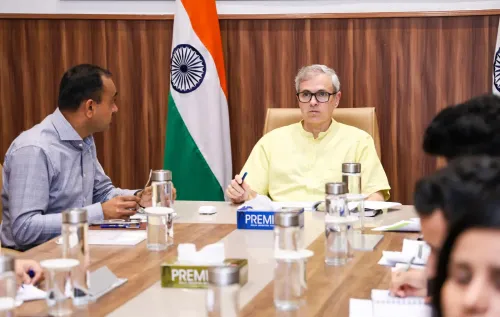
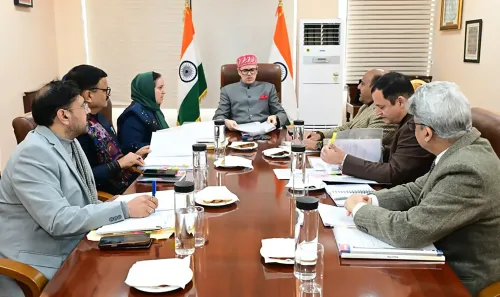
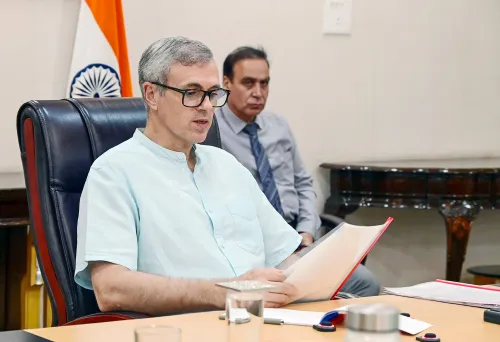
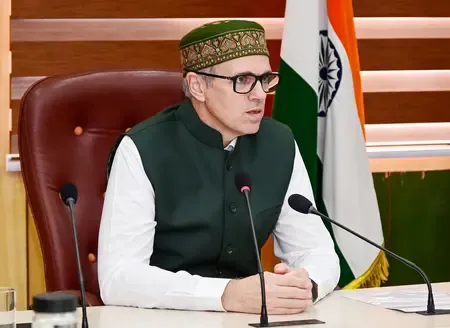
Jammu & Kashmir Chief Minister Omar Abdullah on Tuesday, 10 November 2026, chaired a comprehensive review of ongoing works under the Special Assistance to States for Capital Investment (SASCI) scheme, assessing both physical and financial progress across critical infrastructure sectors in Jammu & Kashmir. The review underscores J&K's push to maximise fund utilisation under a Centre-backed scheme that provides 50-year interest-free loans to accelerate capital expenditure.
Sectors Under the Scanner
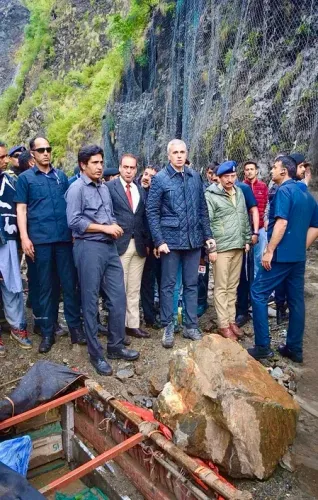
The Chief Minister's review covered key departments including Public Works, Jal Shakti, Youth Services and Sports, Power Development, and Housing & Urban Development. Special attention was directed at the Disaster Management component of the scheme, aimed at bolstering mitigation resilience and restoring infrastructure damaged by natural disasters — a persistent vulnerability for the mountainous union territory.
Key Directions Issued
Abdullah issued a series of time-bound directives to departmental heads. These included ensuring completion of all ongoing SASCI works within the sunset period to meet financial targets, expediting the execution of disaster-resilience works, and fast-tracking the identification of a robust project shelf for the SASCI 2027–28 plan. He also stressed seamless inter-departmental coordination and strict adherence to timelines to ensure the creation of durable capital assets across the region.
What SASCI Is and Why It Matters
SASCI is a flagship initiative of the Ministry of Finance, Government of India, originally launched during the COVID-19 pandemic in FY 2020–21 to prevent a contraction in public investment. The scheme provides states and union territories with sovereign loans at zero interest over a 50-year tenure, avoiding immediate debt-servicing burdens. It has since expanded substantially, with allocations reportedly crossing ₹1.5 lakh crore in recent fiscal years. Capital assets created under SASCI — roads, bridges, and digital systems — historically generate approximately ₹3 in GDP growth for every ₹1 spent, according to economic estimates.
Funds under the scheme are disbursed across multiple tranches: some are unrestricted, while others are reform-linked, incentivising states to undertake structural upgrades. This design is intended to simultaneously boost short-term demand and promote long-term governance efficiency.
The Bigger Picture for J&K
For Jammu & Kashmir, which transitioned to union territory status in 2019, access to SASCI financing is particularly significant given the region's infrastructure deficit and elevated vulnerability to natural disasters. The Tuesday review signals the Abdullah administration's intent to aggressively draw down available Central funds before deadlines, a priority that previous state-level administrations across India have at times struggled to meet. Notably, the emphasis on finalising a 2027–28 project shelf suggests the UT is planning ahead rather than operating reactively — a shift in administrative approach that analysts have frequently flagged as essential to effective scheme utilisation.
Further updates on project completion timelines and sectoral disbursements are expected as departments submit progress reports in the weeks ahead.
Point of View
Particularly in a UT where inter-departmental coordination has historically been uneven. The scheme's reform-linked tranches are the real test — drawing down unrestricted funds is relatively easy; unlocking reform-linked portions requires structural commitments that many states have deferred. Whether Abdullah's directives translate into verifiable disbursement and asset creation, or remain aspirational targets, will be the story worth watching.
NationPress
10 Nov 2026
Frequently Asked Questions
What is the SASCI scheme and how does it work?
SASCI — Special Assistance to States for Capital Investment — is a Ministry of Finance initiative that provides state governments and union territories with 50-year, zero-interest sovereign loans to fund capital expenditure. Launched during the COVID-19 pandemic in FY 2020–21, the scheme has grown to allocate over ₹1.5 lakh crore in recent fiscal years, with funds split between unrestricted and reform-linked tranches.
What did Omar Abdullah direct at the SASCI review?
Chief Minister Omar Abdullah directed departments to complete all ongoing SASCI works within the sunset period to meet financial targets, expedite disaster-component works, and begin identifying projects for the SASCI 2027–28 plan. He also stressed inter-departmental coordination and strict timeline adherence.
Which sectors were covered in the J&K SASCI review?
The review covered Public Works, Jal Shakti, Youth Services and Sports, Power Development, and Housing & Urban Development. Special focus was given to the Disaster Management component to restore infrastructure damaged by natural disasters.
Why is SASCI significant for Jammu & Kashmir?
As a union territory with an infrastructure deficit and high disaster vulnerability, J&K stands to benefit substantially from zero-cost Central capital. Fully utilising SASCI funds before deadlines is critical — capital assets created under the scheme, such as roads and bridges, historically generate roughly ₹3 in GDP growth per ₹1 spent.
What happens if SASCI works are not completed within the sunset period?
Unspent funds under SASCI lapse at the end of the designated sunset period, meaning J&K would forfeit access to that tranche of interest-free financing. This is why Abdullah has emphasised time-bound completion and early project planning for the next cycle.