J&K CM Omar Abdullah visits Rajouri flood zones, assures full govt support
Synopsis
Eleven people are dead and an entire residential area was wiped out in Surankote after cloudbursts pummelled Poonch and Rajouri. J&K Chief Minister Omar Abdullah's ground visit on 6 August is the administration's most visible signal yet that relief and rebuilding are now a top priority — but affected families are still waiting on concrete timelines for compensation and restoration.
Key Takeaways
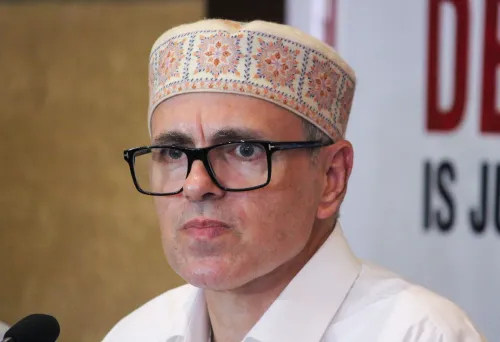
J&K Chief Minister Omar Abdullah visited flood-affected areas of Rajouri district on 6 August , assuring all possible government support.
At least 11 people have died in cloudburst and rain-related incidents across Poonch and Rajouri districts in July and August.
A single cloudburst on 19 July in Murrah, Surankote (Poonch) killed 8 members of one family after sweeping away an entire residential area.
Damage includes collapsed houses, swept-away vehicles, destroyed footbridges, sections of the Rajouri-Poonch National Highway , and downed 33 KV power lines .
Several people remain missing; rescue teams are still combing through debris across both districts.
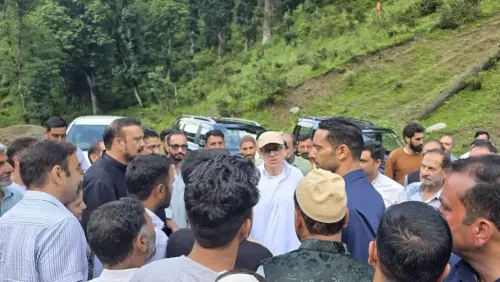
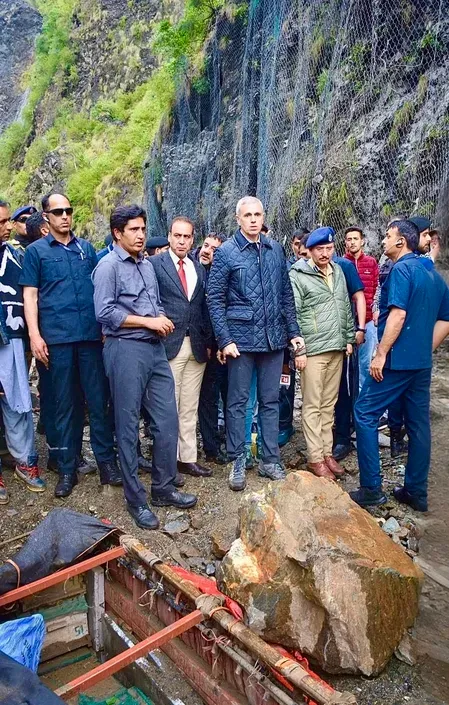
Jammu and Kashmir Chief Minister Omar Abdullah on Thursday, 6 August visited several flood-affected areas of Rajouri district to assess damage to homes, livelihoods, and public infrastructure, pledging all possible government assistance to the affected families. The visit comes weeks after severe cloudbursts and torrential rains battered Poonch and Rajouri districts, leaving a trail of destruction across both regions.
On the Ground in Rajouri
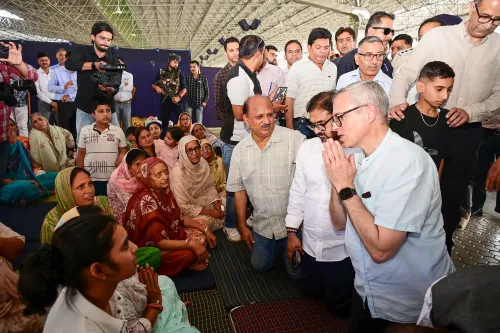
Chief Minister Abdullah walked through inundated localities, interacting directly with displaced and distressed residents. He expressed solidarity with the affected communities and committed to a swift government response. His office confirmed he also reviewed the extent of damage to public infrastructure and the impact on local livelihoods.
'The Chief Minister assured the affected people of all possible assistance and support from the government and took stock of the situation arising from the recent floods,' his office said. 'He also reviewed the impact of the damage caused to public infrastructure and livelihoods in the affected areas.'
Scale of the Disaster
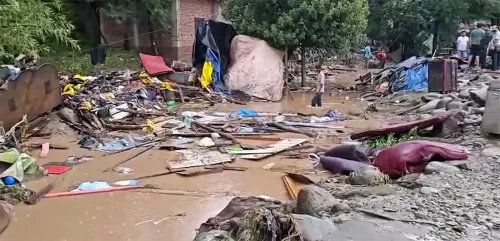
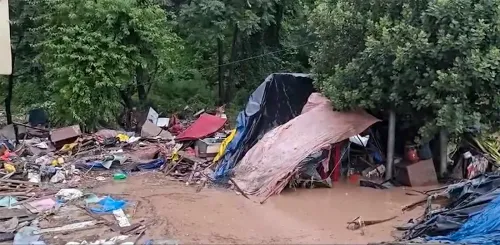
Catastrophic flash floods and landslides triggered by cloudbursts struck Poonch and Rajouri in July and August, resulting in at least 11 deaths, with several people still reported missing as rescue teams continue to comb through debris. Numerous houses collapsed, vehicles were swept away, and roads, bridges, and power lines suffered extensive damage.
A particularly devastating cloudburst and landslide struck the Murrah area of Surankote in Poonch on 19 July, completely obliterating a residential locality and killing 8 members of a single family. Cattle sheds across Mendhar and Surankote also collapsed, killing livestock including numerous buffaloes, compounding losses for rural households.
Infrastructure Damage
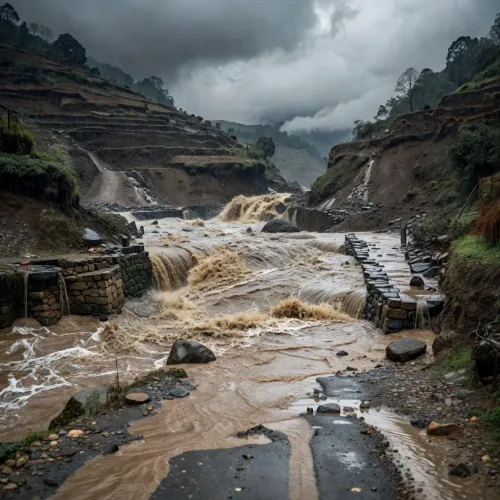
Flash floods severely damaged footbridges, local roads, and sections of the Rajouri-Poonch National Highway, as well as internal routes in Thannamandi, Kotranka, and Mendhar. Multiple vehicles, including cars and a Tata Sumo, were trapped or washed away by sudden surges — particularly in Mastandara (Surankote) and Chhatral (Mendhar).
Power infrastructure sustained substantial damage, including 33 KV lines from Draba and Manjakote, cutting off electricity to large parts of both districts. High-level rescue and relief operations have been under way since the first major incident.
What Comes Next
The Chief Minister's visit signals that the administration is treating the situation as a priority relief and rehabilitation effort. Affected families are awaiting concrete announcements on compensation, reconstruction of damaged homes, and restoration of road and power connectivity — all of which are expected to be addressed in the coming days.
Point of View
But the scale of destruction in Poonch and Rajouri demands more than solidarity — it demands a transparent compensation framework and a hard deadline for restoring road and power connectivity. The 19 July Murrah cloudburst, which wiped out an entire family in a single event, underscores how routinely these districts absorb extreme weather with inadequate early-warning infrastructure. Jammu and Kashmir's hill districts face this pattern every monsoon; without structural investment in disaster-resilient roads and real-time weather alerts, each cloudburst season will produce the same grim ledger.
NationPress
20 Sept 2026
Frequently Asked Questions
Why did J&K CM Omar Abdullah visit Rajouri on 6 August?
Chief Minister Omar Abdullah visited flood-affected areas of Rajouri district on 6 August to assess damage caused by recent cloudbursts and torrential rains, interact with affected families, and assure them of all possible government assistance. The visit followed a series of devastating flash floods and landslides in Poonch and Rajouri.
How many people have died in the Poonch and Rajouri floods?
At least 11 people have lost their lives in rain and cloudburst-related incidents across Poonch and Rajouri districts in July and August. Several others remain missing as rescue operations continue.
What happened in Murrah, Surankote on 19 July?
A major cloudburst and landslide on 19 July completely swept away a residential area in the Murrah locality of Surankote in Poonch district, killing 8 members of a single family in one of the deadliest single incidents of the monsoon season.
What infrastructure was damaged in the floods?
Flash floods damaged footbridges, local roads, and sections of the Rajouri-Poonch National Highway, as well as internal routes in Thannamandi, Kotranka, and Mendhar. Power infrastructure including 33 KV lines from Draba and Manjakote was also severely damaged, cutting electricity to large parts of both districts.
What relief measures has the government announced?
Chief Minister Abdullah has assured all possible assistance and support from the government, including a review of damage to livelihoods and public infrastructure. Specific compensation packages and reconstruction timelines had not been publicly detailed as of 6 August, and affected families are awaiting formal announcements.