Omar Abdullah to seek central relief package for flood-hit Poonch, Rajouri

Synopsis
With J&K's finances stretched, Chief Minister Omar Abdullah is taking the flood crisis in Poonch and Rajouri straight to the Prime Minister — personally. After 19 flash floods, four deaths, and widespread infrastructure collapse, the UT is seeking a central package similar to the ₹1,400 crore approved after last year's floods, while also overhauling outdated SDRF compensation rates that haven't been revised in nearly a decade.
Key Takeaways
Omar Abdullah will personally approach PM Narendra Modi for a special central relief package for flood-hit Poonch and Rajouri .
19 flash floods struck the region, claiming 4 lives ; the Centre approved nearly ₹1,400 crore for J&K after last year's floods.
Farmers who lost crops will receive free ration for 6 months to 1 year ; families whose land was washed away will get alternative plots.
SDRF compensation rates, unchanged for nearly 7–8 years , will be revised to account for inflation.
A new mini secretariat for Rajouri is planned at an estimated cost of ₹50–60 crore , to be completed within 2–3 years .
A protection bund at Bela colony has been ordered to prevent future flooding of residential areas.
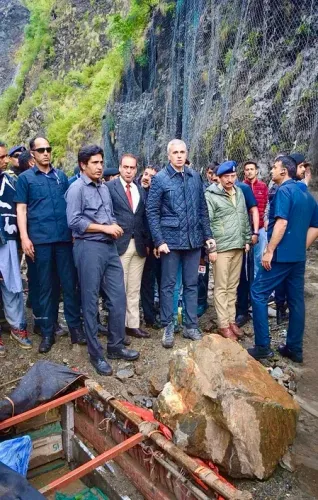
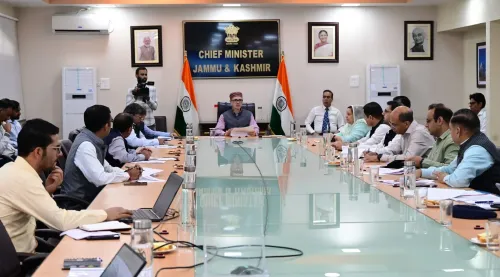
Jammu & Kashmir Chief Minister Omar Abdullah on Thursday, 6 August announced he will personally approach Prime Minister Narendra Modi to seek a special central relief package for flood-ravaged Poonch and Rajouri districts. The announcement came after Abdullah completed a three-day ground tour of the affected areas, chairing a review meeting on flood relief and rehabilitation in Rajouri.
Why J&K Cannot Bear the Costs Alone
Abdullah was unambiguous about the union territory's fiscal constraints. 'While there are some things we can manage on our own, the reality is that Jammu and Kashmir does not have the financial capacity to bear the entire cost of restoration,' he told reporters. He noted that after last year's floods, the Centre approved a package of nearly ₹1,400 crore for the region, and said a similarly detailed proposal would be prepared this time. Notably, floods, flash floods, and cloudbursts are automatically classified as natural disasters, eliminating the need for a separate declaration before seeking central assistance.
Scale of Damage and Immediate Response
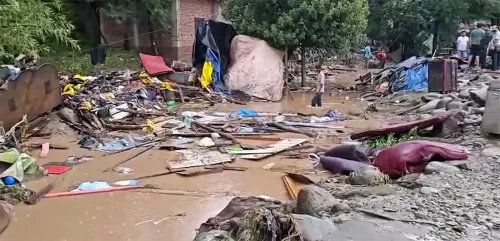
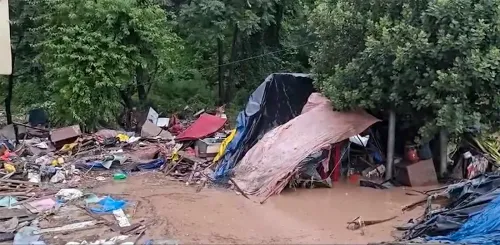
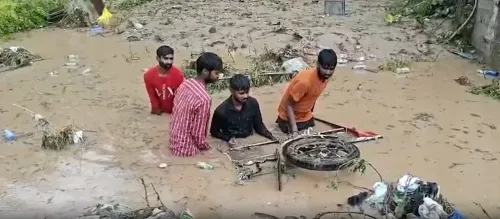
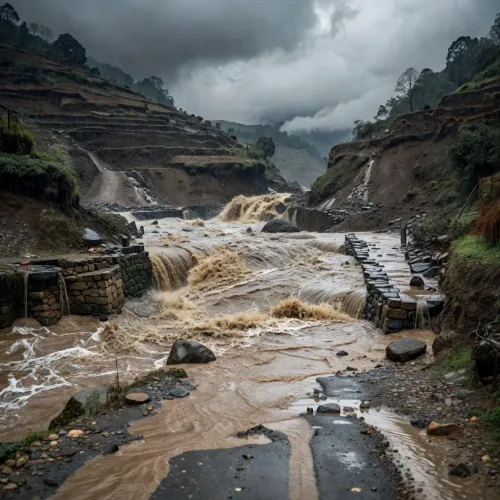
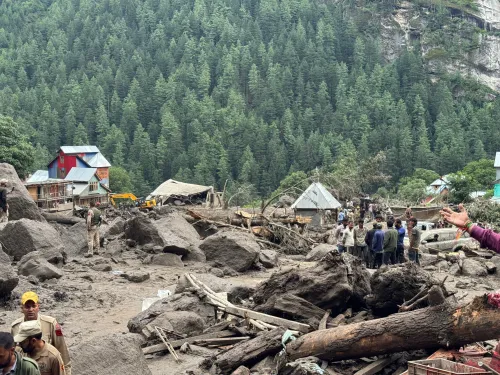
According to Abdullah, 19 flash floods struck the region, claiming four lives. He credited prompt action by district administration with preventing a larger toll. Electricity supply has been nearly fully restored, but drinking water remains a critical concern, with several Jal Shakti Department schemes damaged. Water tankers and hand pumps are being deployed on the recommendations of local legislators.
Compensation and Rehabilitation Measures
The Chief Minister assured that families whose homes were damaged would receive compensation, and those whose land was washed away would be provided alternative plots. Farmers who lost crops and agricultural land will be given free ration for six months to one year. Abdullah also acknowledged that State Disaster Response Fund (SDRF) compensation rates have not been revised for nearly seven to eight years and confirmed they will be enhanced. Police have been directed to expedite FIR registration for flood-damaged vehicles so owners can claim insurance without delay.
Long-Term Infrastructure and Mitigation Plans
On structural mitigation, Abdullah directed the flood control department to construct a protection bund at Bela colony to prevent floodwaters from entering residential areas in future. A new mini secretariat is also planned for Rajouri after the existing Deputy Commissioner's office building was declared structurally unsafe. 'This is no longer a matter of choice, but a necessity,' Abdullah said, adding that the new facility is estimated to cost around ₹50–60 crore and is expected to be completed within two to three years. Issues raised by local MLA Iftikhar Ahmad — including implementation of AMRUT Phase-II, an alternative site for the Kala bus stand, and power and water supply concerns — were also acknowledged for follow-up.
What Comes Next
A detailed central assistance proposal is being prepared and will be personally submitted by Abdullah to the Prime Minister. The rehabilitation phase is now underway, with priority given to restoring damaged infrastructure and public services. How quickly the Centre responds — and at what scale — will determine the pace of recovery for thousands of affected families across Poonch and Rajouri.
Point of View
Yet it is ordinary flood victims who pay the price each monsoon. The ₹1,400 crore precedent from last year is a useful anchor, but whether the Centre matches or exceeds it will test how seriously it treats the region's recurring disaster vulnerability. Long-term, Poonch and Rajouri's exposure to flash floods demands investment in early-warning systems and watershed management — not just post-disaster packages.
NationPress
21 Sept 2026
Frequently Asked Questions
Why is Omar Abdullah approaching the Centre for flood relief?
Jammu & Kashmir Chief Minister Omar Abdullah has stated that the union territory lacks the financial capacity to bear the full cost of restoration after devastating floods in Poonch and Rajouri. He is seeking a special central relief package, similar to the nearly ₹1,400 crore approved by the Centre after last year's floods in the region.
How severe were the floods in Poonch and Rajouri?
According to Abdullah, 19 flash floods struck the two districts, resulting in 4 deaths and widespread damage to infrastructure including Jal Shakti Department water schemes, roads, houses, and agricultural land. Electricity supply has been largely restored, but drinking water remains a major concern.
What immediate relief measures are being provided to affected residents?
The J&K government is providing compensation for damaged houses, alternative plots for families whose land was washed away, and free ration for 6 months to 1 year for farmers who lost crops. Water tankers and hand pumps are being deployed to address the drinking water shortage.
What is the SDRF, and why is its revision significant?
The State Disaster Response Fund (SDRF) is the primary mechanism through which state governments compensate disaster victims for structural damage. Abdullah acknowledged that SDRF rates have not been revised for nearly 7 to 8 years, making them inadequate given inflation, and confirmed the government has decided to enhance them.
What long-term steps are being planned for Poonch and Rajouri?
Long-term measures include construction of a flood protection bund at Bela colony, a new mini secretariat for Rajouri estimated at ₹50–60 crore to be completed in 2–3 years, and implementation of AMRUT Phase-II. Abdullah has also directed expedited FIR processing for flood-damaged vehicles to facilitate insurance claims.