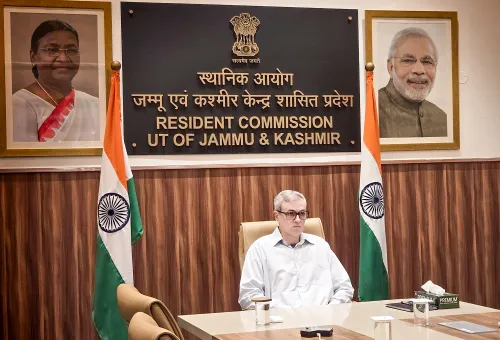
Omar Abdullah Monitors Heavy Rain, Floods in Rajouri
Synopsis
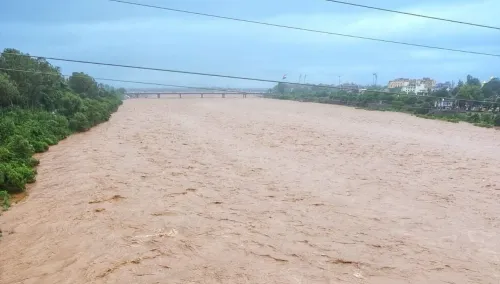
Jammu and Kashmir Chief Minister Omar Abdullah on 19 July 2026 said he has been monitoring heavy rainfall and flash floods in Rajouri and surrounding areas since dawn, is in contact with local MLAs, and has pledged full government support for life-saving and relief operations.
Key Takeaways
Omar Abdullah has been monitoring the flood situation in Rajouri and surrounding areas since first light on 19 July 2026 .
The Chief Minister stated that safeguarding lives is the administration's 'first priority.' He has been in direct contact with local MLAs of the affected region to track the evolving situation.
The government has committed to aiding residents who have suffered property loss or damage due to heavy rain and flash floods.
Rajouri district in the Jammu division is among the most flood-prone areas in Jammu and Kashmir due to its hilly terrain.
Potential next steps include relief camps, damage assessments, compensation disbursal, and possible requests for central assistance under the NDRF .
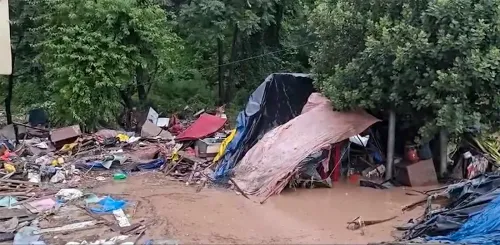
Jammu and Kashmir Chief Minister Omar Abdullah said on Sunday, 19 July 2026, that he has been monitoring flood conditions in Rajouri town and surrounding areas since early morning, following extremely heavy rainfall across parts of the Jammu division. He said the administration's first priority is to safeguard lives, and that the government will do everything possible to aid those who have suffered property loss or damage due to flash floods.
Context
Chief Minister Abdullah posted on 19 July 2026 that he had been in touch with local MLAs of the Rajouri region since first light. 'While the situation continues to unfold the first priority of the administration is to safeguard precious lives,' he wrote, adding that the government would 'do everything possible to aid and assist affected people who have suffered property loss/damage due to the rains and flash floods.'
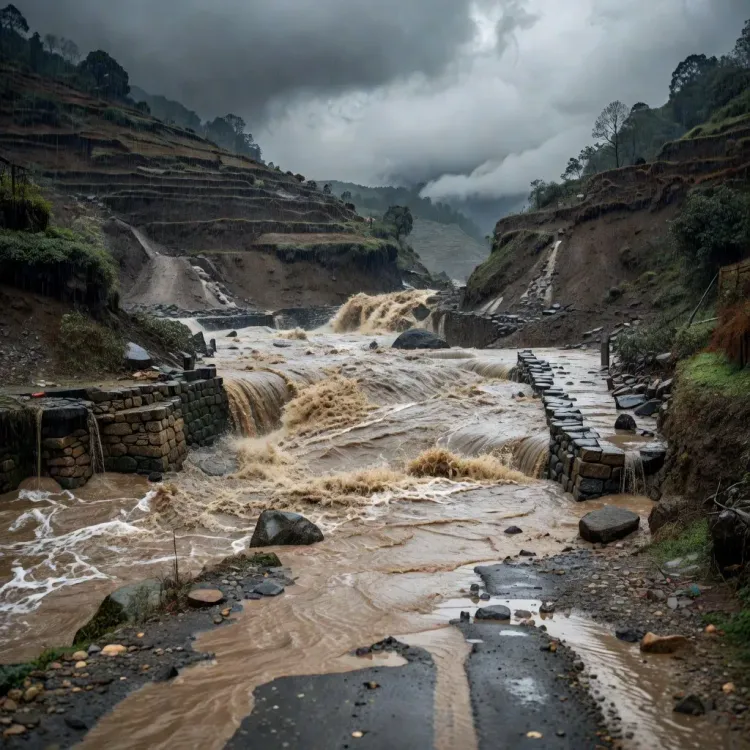
Rajouri is a district in the Jammu division of Jammu and Kashmir, situated in hilly terrain that makes it particularly vulnerable to flash floods and landslides during the monsoon season. The district has seen repeated flood events in past years, often leading to displacement of residents and damage to roads and homes.
Policy Backdrop
The 2014 floods in Jammu and Kashmir — among the worst in the region's recorded history — prompted a significant overhaul of state-level disaster response mechanisms and closer coordination with the National Disaster Management Authority (NDMA). Since then, successive administrations have emphasised real-time monitoring by senior officials and rapid deployment of local resources during monsoon emergencies.
Jammu and Kashmir was reorganised as a Union Territory in 2019, which altered the administrative chain of command for disaster response, placing greater coordination responsibility between the elected government and central agencies. Districts such as Rajouri, Poonch, and Reasi have consistently appeared in annual monsoon-related emergency reports, underlining persistent infrastructure vulnerabilities in the Himalayan foothills.
Stakeholders and Impact
Residents of Rajouri town and surrounding villages are the most immediately affected, facing risks to life as well as damage to homes and property. Local MLAs, whom Abdullah said he has been in direct contact with, are a critical link between the administration and affected communities on the ground.
The district administration, state disaster response teams, and central agencies under the National Disaster Response Fund (NDRF) framework are expected to be involved in rescue and relief operations. Compensation disbursal for property damage is typically processed through the state revenue department once assessments are completed.
What's Next
The immediate focus of the administration is expected to be on life-saving operations, evacuation of at-risk populations, and establishing relief camps for displaced residents. As the situation stabilises, attention will shift to property damage assessments and the disbursal of compensation to affected families.
Should the scale of damage exceed local capacity, the Jammu and Kashmir government may formally request central assistance under the NDRF. The broader challenge for the administration is to use this event to accelerate longer-term investments in flood-resilient infrastructure across the vulnerable districts of the Jammu division.
Point of View
Where trust between the elected government and residents of border districts such as Rajouri has historically been fragile. By personally flagging contact with local MLAs, he is reinforcing the chain of accountability between the elected government and the ground. The pledge of property damage assistance, while standard in disaster situations, also previews a potential test of the UT administration's capacity to deliver timely compensation — an area where past governments have faced criticism. How swiftly relief reaches affected families will shape public perception of the Abdullah government's governance credentials ahead of any future electoral cycle.
NationPress
18 Oct 2026
Frequently Asked Questions
What is happening in Rajouri due to heavy rain in July 2026?
Rajouri town and surrounding areas in Jammu and Kashmir are experiencing extremely heavy rainfall and flash floods as of 19 July 2026 , prompting the Chief Minister to monitor the situation since dawn and pledge government aid.
What has Omar Abdullah said about the Rajouri floods?
Omar Abdullah said he has been monitoring the situation since first light, is in contact with local MLAs, and that the government will do everything possible to aid people who have suffered property loss or damage due to the rains and flash floods.
Is Rajouri prone to flooding during monsoon?
Yes, Rajouri district in the Jammu division is situated in hilly terrain that makes it particularly vulnerable to flash floods and landslides during the monsoon season, and it has seen repeated flood events in past years.
What relief measures are expected after the Rajouri floods?
Expected measures include life-saving and evacuation operations, establishment of relief camps, property damage assessments, and compensation disbursal. The government may also request central assistance under the National Disaster Response Fund if needed.
How does the J&K government coordinate disaster response?
Following the 2014 floods, Jammu and Kashmir strengthened its disaster response mechanisms in coordination with the National Disaster Management Authority . As a Union Territory since 2019 , the elected government coordinates closely with central agencies for major disaster events.