Omar Abdullah Cuts Delhi Trip Short for Jammu Weather Crisis
Synopsis
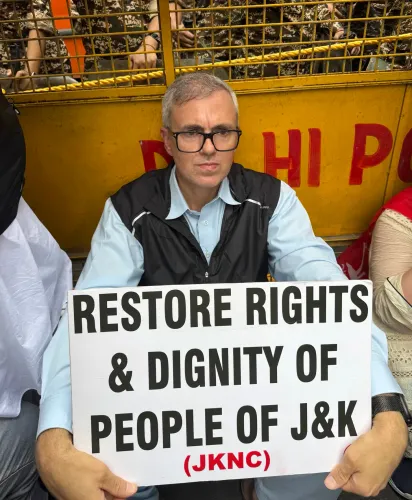
J&K Chief Minister Omar Abdullah cut short his Delhi stay on 19 July 2026 to fly to Jammu and personally monitor a weather crisis flagged by the IMD, while the National Conference's statehood protest continued under party president Dr Farooq Abdullah.
Key Takeaways
Omar Abdullah announced he would leave Delhi for Jammu on the afternoon of 19 July 2026 to monitor the weather situation.
The India Meteorological Department had issued a weather warning covering parts of the Jammu division .
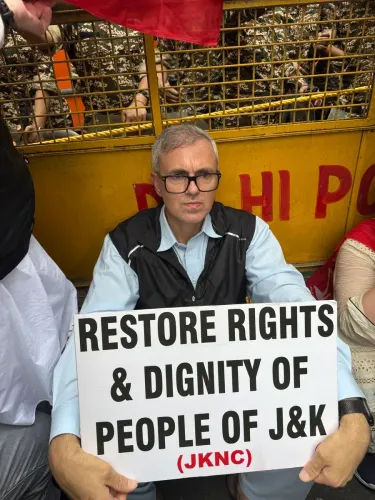
The National Conference statehood protest was confirmed to proceed as planned under JKNC President Dr Farooq Abdullah .
The statehood campaign stems from the Jammu and Kashmir Reorganisation Act, 2019 , which converted the state into a Union Territory.
The Chief Minister's personal intervention signals the administration's high-priority response to the unfolding weather emergency.
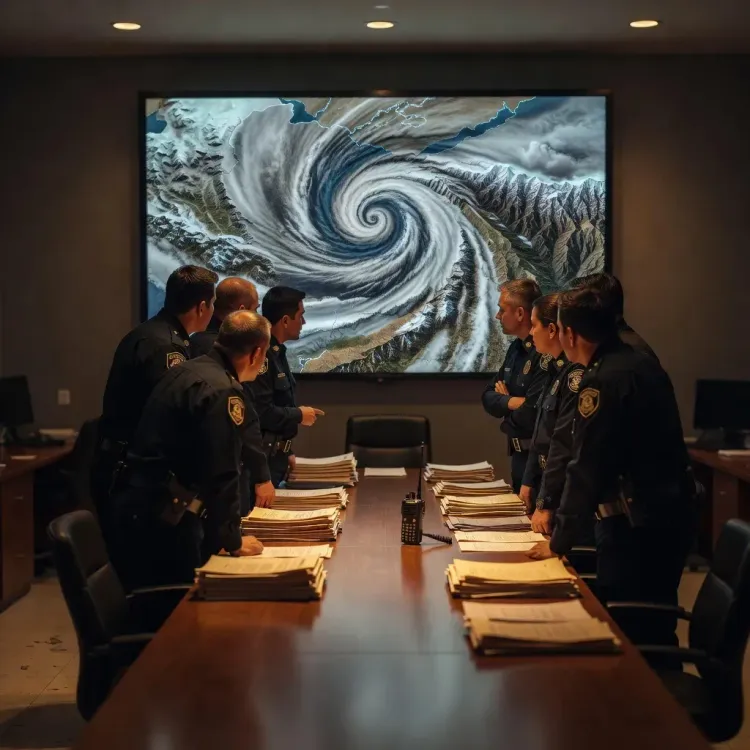
Jammu and Kashmir Chief Minister Omar Abdullah announced on Sunday, 19 July 2026, that he would depart Delhi for Jammu the same afternoon to personally oversee the deteriorating weather situation across parts of the Jammu division, following a warning issued by the India Meteorological Department (IMD). The announcement came even as a major political demonstration demanding restoration of statehood — scheduled for the same day — was confirmed to proceed under alternate leadership.
Context
In his post, Omar Abdullah cited the gravity of the IMD weather warning and the 'seriousness of the situation unfolding across parts of Jammu division' as the reason for his abrupt return. He confirmed that the statehood protest would go ahead as planned under the leadership of Jammu and Kashmir National Conference (JKNC) President Dr Farooq Abdullah, his father and former Chief Minister of the erstwhile state. The decision underscores the Chief Minister's dual obligation — administrative responsibility during a crisis and political commitment to the party's central demand.
Policy Backdrop
The statehood protest is part of a sustained campaign by the National Conference that dates to the passage of the Jammu and Kashmir Reorganisation Act, 2019, which downgraded the former state to a Union Territory, stripping it of its legislature-elected government and special constitutional provisions. The party has since consistently demanded the restoration of full statehood, with demonstrations and legal challenges forming the backbone of its political mobilisation. Dr Farooq Abdullah, as JKNC President, has been the principal face of this campaign and will now lead Sunday's protest in Omar Abdullah's absence.
Separately, Jammu and Kashmir is no stranger to monsoon-related disruptions. The region's geography — spanning the plains of Jammu and the high-altitude valleys beyond — makes it particularly vulnerable to flash floods, landslides, and cloudbursts during the monsoon season, events that routinely demand senior administrative attention and on-ground coordination with district authorities and disaster management agencies.
Stakeholders and Impact
Residents across the Jammu division stand most immediately affected by the unfolding weather event, with the Chief Minister's personal presence signalling that the administration is treating the situation with high priority. For National Conference workers and supporters gathered for the statehood protest, the continuity of the demonstration under Dr Farooq Abdullah's leadership ensures that the political message is not diluted by the weather emergency. The dual track — crisis management by the Chief Minister, political mobilisation by the party president — reflects the organisation's capacity to operate on parallel fronts.
What's Next
All eyes will be on further advisories from the IMD and the administrative response coordinated from Jammu once Omar Abdullah arrives to monitor the ground situation. On the political front, the statehood demand is expected to gain fresh momentum from Sunday's demonstration, with developments in any parliamentary or judicial arena around the Union Territory's constitutional status likely to shape the National Conference's next steps.
Point of View
The party avoids any perception that a natural crisis is being used to sidestep a politically inconvenient demonstration. The move also highlights the National Conference's structural advantage: a father-son leadership tandem that allows the party to split its bandwidth between administrative and political imperatives without losing momentum on either front. Longer term, how effectively the administration manages this weather event will shape public confidence in elected governance within the Union Territory framework.
NationPress
18 Oct 2026
Frequently Asked Questions
Why did Omar Abdullah leave Delhi for Jammu on 19 July 2026?
Omar Abdullah left Delhi for Jammu to personally monitor the deteriorating weather situation across parts of the Jammu division, following a warning issued by the India Meteorological Department.
What is the National Conference statehood protest about?
The National Conference has been demanding the restoration of full statehood to Jammu and Kashmir since the Jammu and Kashmir Reorganisation Act, 2019 downgraded it from a state to a Union Territory.
Who led the statehood protest while Omar Abdullah was away?
JKNC President and former Chief Minister Dr Farooq Abdullah led the statehood protest in Omar Abdullah's absence.
What authority issues weather warnings for Jammu and Kashmir?
The India Meteorological Department (IMD), the government agency responsible for weather forecasting across India, issues warnings for Jammu and Kashmir including alerts for the Jammu division.
What is Jammu and Kashmir's current constitutional status?
Jammu and Kashmir is currently a Union Territory of India, a status it has held since the Jammu and Kashmir Reorganisation Act came into effect in October 2019, replacing its earlier status as a full state with special constitutional provisions.