J&K flash floods kill 10 in Poonch, Rajouri; Amit Shah promises Centre's aid
Synopsis
Flash floods and landslides tore through Poonch and Rajouri on 19 July, killing at least 10 people — six from a single family in Surankote alone. With more heavy rain forecast through 23 July, the toll is feared to rise. Home Minister Amit Shah has pledged federal support, and CM Omar Abdullah has rushed to Jammu to personally lead the relief effort.
Key Takeaways
Flash floods and landslides struck Poonch and Rajouri districts of Jammu and Kashmir on 19 July , killing at least 10 people .
Nine deaths were confirmed in Surankote , including six members of a single family ; one more died in Haveli tehsil .
Union Home Minister Amit Shah assured Lt Governor Manoj Sinha and CM Omar Abdullah of full Central support.
CM Omar Abdullah returned from Delhi to Jammu to personally chair an emergency relief meeting.
The Meteorological Department has forecast heavy to very heavy rain across J&K through 23 July , with risks of further flash floods and landslides.
Roads remain blocked due to landslides; SDRF , police, and volunteers are conducting ongoing search-and-rescue operations.
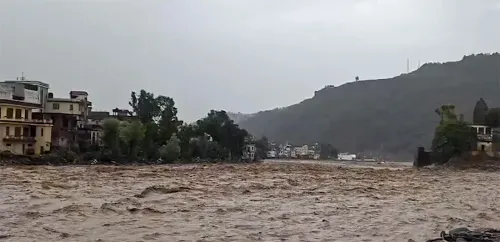
Union Home Minister Amit Shah on Sunday, 19 July assured Jammu and Kashmir Lt Governor Manoj Sinha and Chief Minister Omar Abdullah of all possible assistance from the Centre after devastating flash floods tore through Poonch and Rajouri districts, killing at least 10 people and leaving several others missing. Officials cautioned that the full extent of casualties and infrastructure damage could take days to assess.
Ground Zero: Surankote Bears the Brunt
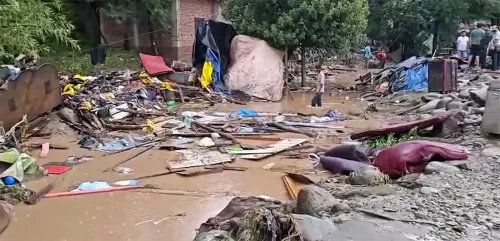
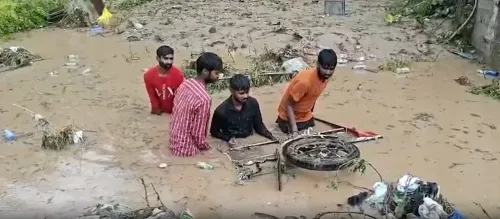
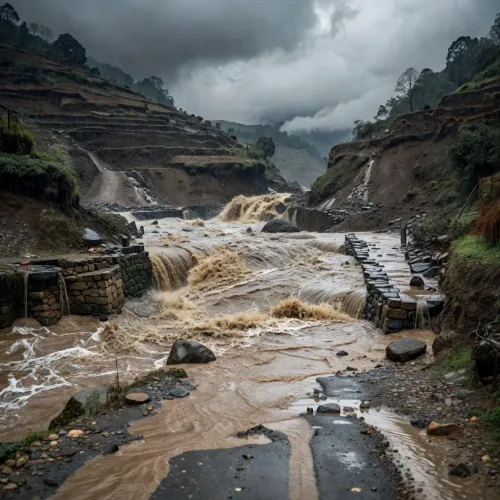
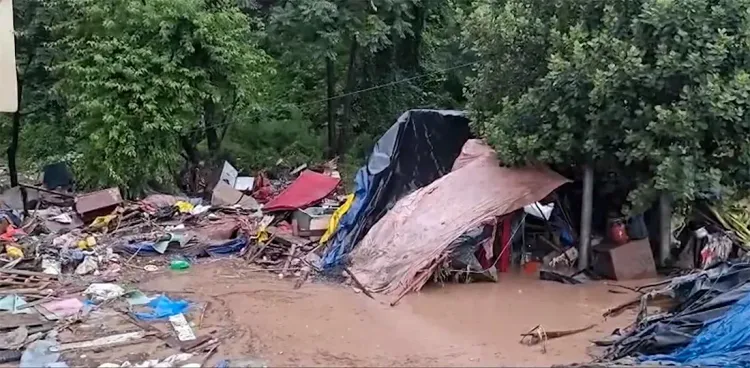
The worst-affected area was the Lower Murrah locality of Surankote in Poonch district, where floodwaters and landslide debris swept through residential neighbourhoods, burying homes and trapping families beneath rubble. Nine of the 10 confirmed deaths occurred in Surankote, including six members of a single family. One additional fatality was reported from Haveli tehsil in Poonch. Rescue teams feared the toll could rise significantly as operations progressed through difficult terrain.
Rescue Operations Under Way
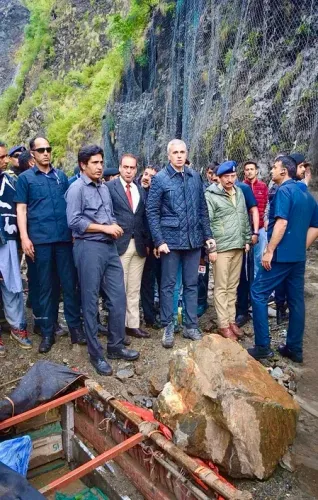
Multi-agency rescue teams — comprising the police, the State Disaster Response Force (SDRF), civil administration officials, and local volunteers — launched a large-scale search-and-rescue effort despite intermittent rainfall and treacherous conditions. Heavy earth-moving machinery was deployed to clear landslide debris and restore access to cut-off villages. In Haveli tehsil, at least seven houses were damaged, with property losses also reported from Mandi and surrounding areas. Several roads remained blocked due to landslides, severely disrupting connectivity across the region.
What the Government Said
Chief Minister Omar Abdullah cut short his stay in Delhi and rushed to Jammu to personally oversee relief and rescue efforts. He chaired an emergency meeting of senior officers and directed the total mobilisation of the administrative machinery to ease the suffering of affected families. District authorities simultaneously shifted residents from vulnerable zones to safer locations and advised people living near rivers, streams, and landslide-prone slopes to remain indoors and avoid fast-flowing water bodies.
More Rain Forecast Through 23 July
The Meteorological Department has forecast widespread rainfall across Jammu and Kashmir over the next five days, with warnings of heavy to very heavy rain, thunderstorms, lightning, and gusty winds — particularly in the Jammu division. Risks flagged include flash floods, landslides, mudslides, shooting stones, and waterlogging in vulnerable areas through 23 July. Authorities said they were maintaining a close watch on high-risk locations as the weather system persisted.
Context and What Comes Next
This comes amid a broader pattern of intensifying monsoon-related disasters across the Himalayan belt, where steep terrain amplifies the destructive potential of heavy rainfall events. The Centre's assurance of assistance signals that federal disaster relief resources — including NDRF deployment — may follow in the coming days. With the death toll still provisional and rescue operations ongoing, the humanitarian situation in Poonch and Rajouri remains fluid and deeply concerning.
Point of View
Where road connectivity is already severed. With five more days of heavy rain forecast, the window for effective rescue is narrow. Repeated monsoon disasters in the Jammu division over recent years point to a structural gap in early-warning dissemination at the village level — a gap that political visits and post-facto relief cannot substitute for.
NationPress
18 Oct 2026
Frequently Asked Questions
How many people have died in the Jammu and Kashmir flash floods on 19 July?
At least 10 people have been killed, with nine deaths confirmed in Surankote in Poonch district — including six members of a single family — and one death in Haveli tehsil. Officials have warned the toll could rise as rescue operations continue.
Which areas of J&K were worst affected by the flash floods?
The Lower Murrah area of Surankote in Poonch district was the hardest hit, with floodwaters and landslide debris burying residential areas. Haveli tehsil and parts of neighbouring Rajouri district also suffered significant damage to homes and infrastructure.
What has the Central government said about the J&K floods?
Union Home Minister Amit Shah assured J&K Lt Governor Manoj Sinha and Chief Minister Omar Abdullah of all possible assistance from the Centre. The nature and scale of federal relief — including potential NDRF deployment — is expected to be clarified in the coming days.
What is the weather forecast for Jammu and Kashmir over the next few days?
The Meteorological Department has forecast widespread heavy to very heavy rainfall, thunderstorms, and gusty winds across J&K through 23 July, particularly in the Jammu division. Risks include flash floods, landslides, mudslides, and waterlogging in vulnerable areas.
What steps has the J&K administration taken in response to the floods?
Chief Minister Omar Abdullah returned from Delhi to Jammu to personally supervise relief operations and chaired an emergency meeting of senior officers. District authorities deployed SDRF teams, police, and earth-moving machinery, shifted families from vulnerable areas, and advised residents near rivers and landslide-prone zones to stay indoors.