Trump warns Iran of hard strike if Strait of Hormuz stays shut
Synopsis
Trump has issued what amounts to a military ultimatum over the Strait of Hormuz — the artery for a fifth of the world’s oil — while Iran denies any direct talks with Washington and quietly works a back-channel through Oman. A June MOU between the two sides has already collapsed once. The next 48 hours could determine whether this is brinkmanship or the prelude to a strike.
Key Takeaways
President Donald Trump warned on Tuesday that Iran will be “hit very hard” if the Strait of Hormuz is not reopened “very soon.” Iran’s Foreign Ministry Spokesperson Esmaeil Baqaei denied any ongoing negotiations with the United States.
Iran confirmed separate consultations with Oman over a “temporary arrangement” for maritime safety in the Strait.
A Memorandum of Understanding signed on 17 June by Trump and Iranian President Masoud Pezeshkian collapsed within weeks after Iran attacked ships and the US blockaded Iranian ports.
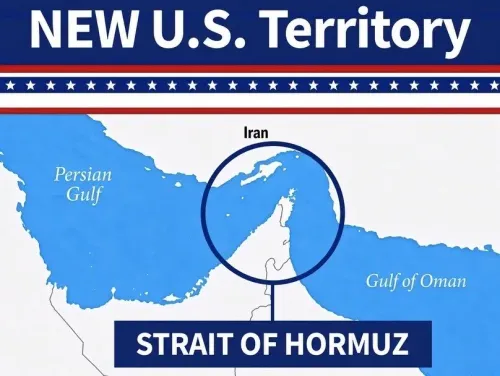
The Strait carries approximately 20 per cent of the world’s fossil fuel supply, making its closure a global economic risk.
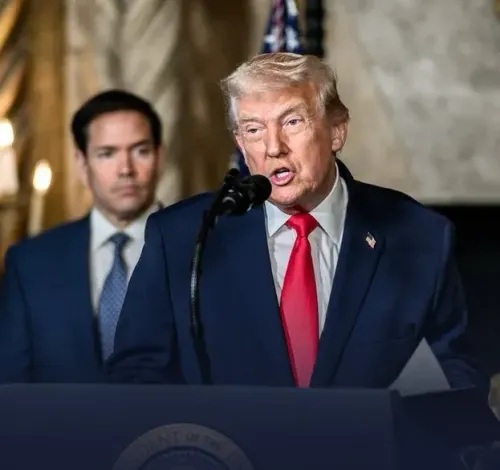
US President Donald Trump on Tuesday warned that Iran will be “hit very hard” if the Strait of Hormuz is not reopened “very soon,” escalating rhetoric over a waterway that carries roughly 20 per cent of the world’s fossil fuel shipments. The warning came even as Iran flatly denied any ongoing negotiations with Washington, leaving the status of the critical chokepoint mired in conflicting claims.
Trump’s Ultimatum and the Fox News Interview
Speaking to Fox News, Trump said the United States is “having very good discussions” with Iran over the Strait’s reopening. He had earlier framed the standoff in starker terms, warning on Monday from the Oval Office that Iran was being given a “last chance before decapitation.” Trump added that talks were aimed at opening the Strait “literally by tomorrow,” though no such opening materialised.
On his Truth Social platform, Trump accused Iranian leadership of being “unbelievably duplicitous,” alleging that Tehran officials “beg” for meetings and then “openly and proudly” deny that any discussions are taking place.
Iran’s Flat Denial and Oman Back-Channel
Iranian Foreign Ministry Spokesperson Esmaeil Baqaei said at a news briefing in Tehran that Iran “is not holding any negotiations with the United States at present.” He noted that Foreign Minister Abbas Araghchi was on a pilgrimage to Iraq at the time, with all other negotiators remaining in Iran.
Baqaei did confirm, however, that Iran is engaged in consultations with Oman — which sits across the Strait — over what Iranian news agency Tasnim described as a “temporary arrangement that would ensure maritime safety in the strategic waterway.” He specified that no other country was party to the Muscat-Tehran talks.
Background: The Collapsed June MOU
The current standoff follows the unravelling of a Memorandum of Understanding signed on 17 June by Trump and Iranian President Masoud Pezeshkian, which had committed both sides to keeping the Strait open. The agreement collapsed within weeks after Iran reportedly attacked ships in the Strait and the United States responded by blockading Iranian ports.
Trump said Iran was rattled by leaks about a planned US strike he described as “very very hard, harder than any” since World War II. He framed Iran’s outreach as a direct consequence of that pressure.
What Is at Stake
The Strait of Hormuz is the world’s most consequential oil chokepoint, with approximately 20 per cent of global fossil fuel supply transiting through it. Any prolonged closure or disruption would send energy prices sharply higher and ripple through economies far beyond the Middle East, including India, which is a major importer of Gulf crude.
The contradictory public positions from Washington and Tehran leave the Strait’s status unresolved. Whether the Oman back-channel can bridge the gap — or whether Trump’s deadline triggers a military escalation — remains the defining question in the days ahead.
Point of View
’ which raises the cost of miscalculation significantly. The Oman back-channel is the only verifiable diplomatic thread still intact, and its narrowness — a bilateral maritime arrangement, not a nuclear or sanctions deal — suggests both sides are managing optics as much as substance. For India, which depends heavily on Gulf crude transiting the Strait, the uncertainty is not abstract: every day of unresolved tension is a day of elevated energy import risk.
NationPress
19 Sept 2026
Frequently Asked Questions
Why is Trump threatening to strike Iran over the Strait of Hormuz?
Trump has warned Iran of a severe military strike if the Strait of Hormuz is not reopened, citing a breakdown in what he described as ongoing negotiations. The Strait carries about 20 per cent of global fossil fuel supply, and its disruption follows Iran’s attacks on ships after a June MOU between the two sides collapsed.
Is Iran negotiating with the United States over the Strait?
Iran has denied any direct negotiations with the United States. Foreign Ministry Spokesperson Esmaeil Baqaei stated at a Tehran briefing that Iran ‘is not holding any negotiations with the United States at present,’ contradicting Trump’s claim of ‘very good discussions.’
What is Oman’s role in the Strait of Hormuz standoff?
Iran confirmed it is in consultations with Oman over a temporary arrangement to ensure maritime safety in the Strait of Hormuz. Baqaei specified that no other country, including the United States, is involved in the Muscat-Tehran talks.
What was the June MOU between the US and Iran, and why did it fail?
A Memorandum of Understanding to keep the Strait of Hormuz open was signed on 17 June by President Trump and Iranian President Masoud Pezeshkian. It unravelled within weeks after Iran reportedly attacked ships in the Strait and the United States responded by blockading Iranian ports.
How does the Strait of Hormuz closure affect India?
India is one of the largest importers of Gulf crude oil, much of which transits the Strait of Hormuz. Any prolonged closure or military escalation in the waterway would raise energy import costs and could disrupt fuel supply chains for the Indian economy.