Mandaviya at WAADS meet: India's zero-tolerance doping stand
Synopsis
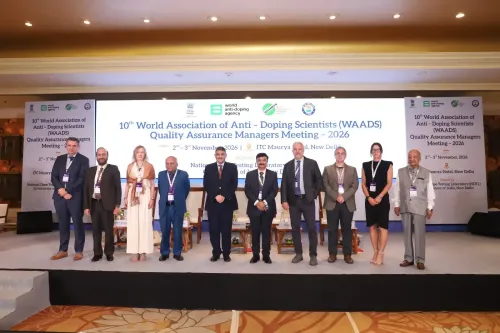
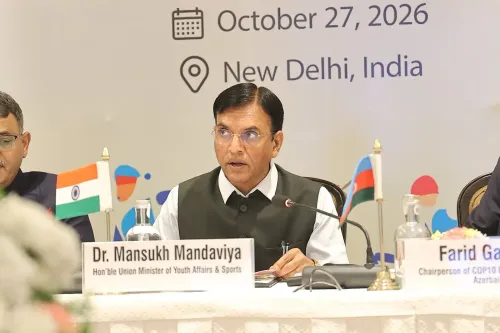
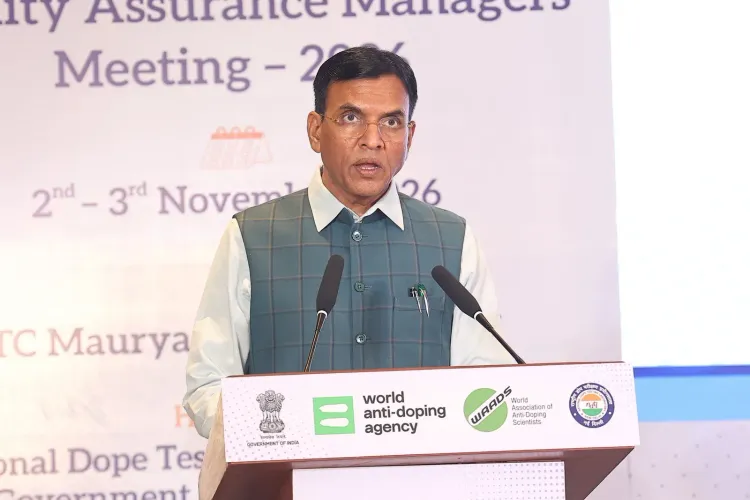
Sports Minister Mansukh Mandaviya addressed the closing ceremony of the 10th WAADS QA Managers' Meeting on November 3, 2026, reaffirming India's zero-tolerance stance on doping and pledging to expand testing infrastructure, awareness programmes, and dope-science research.
Key Takeaways
Mansukh Mandaviya spoke at the closing ceremony of the 10th WAADS QA Managers' Meeting on November 3, 2026 .
India's official position is zero tolerance against doping , framed as a policy commitment under PM Narendra Modi .
The minister outlined three priorities: expanding testing infrastructure, creating awareness, and advancing dope-science research.
India's anti-doping framework is anchored by the National Anti-Doping Agency (NADA) , established in 2005 .
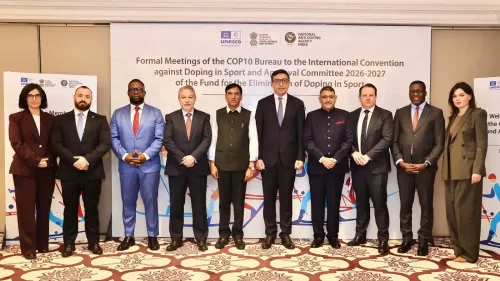
India has ratified the UNESCO Convention against Doping in Sport and operates WADA-aligned laboratories.
WADA compliance reviews of Indian laboratories remain the key near-term benchmark for progress.
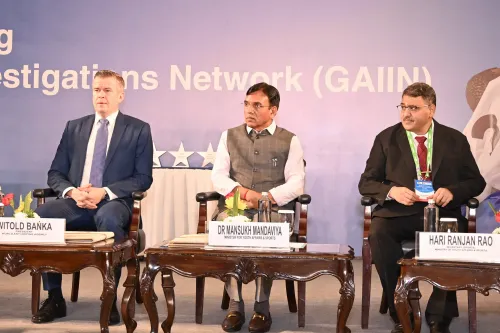
India's zero-tolerance policy against doping took centre stage on Tuesday, November 3, 2026, when Union Labour and Sports Minister Mansukh Mandaviya addressed the closing ceremony of the 10th WAADS QA Managers' Meeting — a global gathering of anti-doping laboratory quality-assurance professionals convened by the World Association of Anti-Doping Scientists.
What Mandaviya told the world's doping scientists
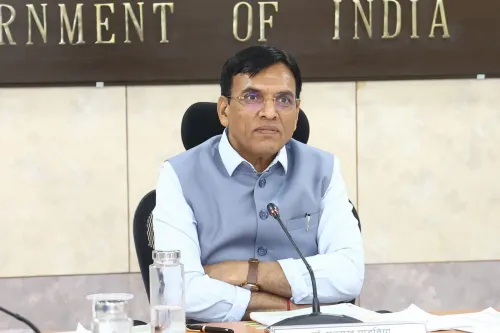
Speaking at the closing session, Mandaviya declared that under Prime Minister Narendra Modi's leadership, India is committed to 'zero tolerance against doping.' He outlined a three-pronged forward march: expanding testing infrastructure, deepening public and athlete awareness, and advancing research in dope science. The message was direct — India is not just signing international conventions; it is building the institutional muscle to enforce them.
The architecture India has built since 2005
India's anti-doping framework traces back to the establishment of the National Anti-Doping Agency (NADA) in 2005, set up to enforce the World Anti-Doping Code. The country subsequently ratified the UNESCO Convention against Doping in Sport, embedding international obligations into domestic policy. Over two decades, NADA has evolved from a nascent compliance body into an agency that operates accredited laboratories and runs athlete biological passport programmes aligned with WADA standards.
The WAADS platform is significant precisely because it sits at the technical frontier — QA managers who attend these meetings set the laboratory protocols that determine whether a positive test holds up under international scrutiny. India's presence and ministerial-level engagement signal an ambition to be a standard-setter, not merely a rule-follower.
Why the timing matters for Indian sport
India's sporting calendar has grown dramatically in ambition — from Olympic medal targets to hosting marquee international events. Each step up in visibility raises the stakes for clean-sport credibility. A single high-profile doping case at the wrong moment can undo years of reputational work. The broader pattern is clear: the government has consistently linked anti-doping investment to its wider sports governance reforms, treating laboratory capacity not as a bureaucratic checkbox but as a pillar of global athletic standing.
WADA's periodic compliance reviews of national laboratories will be the next real test of whether the infrastructure Mandaviya described on Tuesday translates into certified, internationally recognised results.
India has declared its intention loudly at a room full of the world's leading doping scientists — the labs will have to do the talking next.
Point of View
However, will come from WADA's next compliance audit: ministerial declarations at closing ceremonies carry weight only when laboratory accreditations and testing volumes follow. The gap between political signalling and institutional delivery will define whether this meeting marks a turning point or a milestone on a well-trodden talking track.
NationPress
4 Nov 2026
Frequently Asked Questions
What is the WAADS QA Managers' Meeting?
The WAADS QA Managers' Meeting is convened by the World Association of Anti-Doping Scientists and brings together laboratory quality-assurance professionals to align on testing protocols and standards used to detect doping in sport.
What is India's anti-doping policy?
India follows a zero-tolerance policy against doping, enforced through the National Anti-Doping Agency (NADA), which was established in 2005 to implement the World Anti-Doping Code and operate WADA-aligned laboratories.
What is NADA India and when was it set up?
The National Anti-Doping Agency (NADA) is India's nodal body for anti-doping, established in 2005. It enforces the WADA code, conducts athlete testing, and runs accredited doping-control laboratories.
Why did Mansukh Mandaviya attend the WAADS meeting?
As Union Minister for Youth Affairs and Sports, Mandaviya addressed the 10th WAADS QA Managers' Meeting to reaffirm India's commitment to clean sport and outline plans for expanding the country's anti-doping testing and research capacity.
How does WADA oversee India's anti-doping laboratories?
WADA conducts periodic compliance reviews of national anti-doping agencies and their accredited laboratories; these reviews assess whether India's testing volumes, procedures, and code implementation meet international standards.