India zero tolerance on doping: Mandaviya launches NDTL research grant at WAADS 2026
Synopsis
Sports Minister Dr. Mansukh Mandaviya used India's hosting of the WAADS 2026 anti-doping summit to launch the NDTL's Extramural Research Grant Policy — a scientific funding push arriving as India prepares to host the Commonwealth Games 2030 and chase the 2036 Olympics. With a record 114 medals at the Asian Para Games 2026 and a fourth-place finish at the Asian Games 2026, the stakes for clean sport have never been higher.
Key Takeaways
Mansukh Mandaviya launched the NDTL Extramural Research Grant Policy on 3 November 2026 in New Delhi .
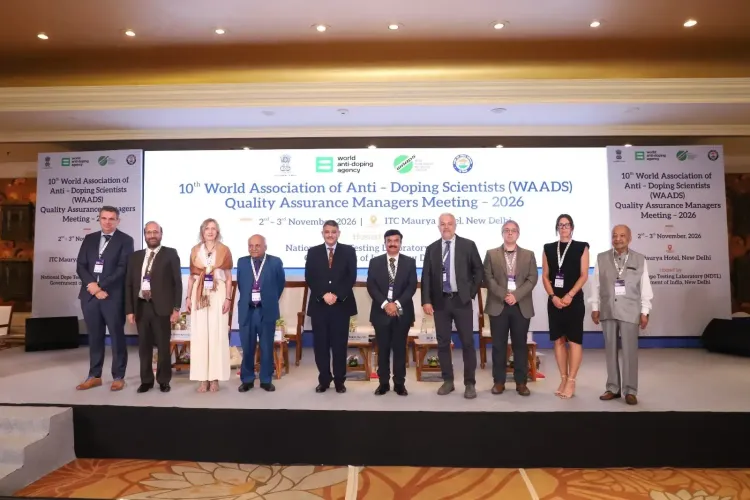
The 10th WAADS Quality Assurance Managers' Meeting 2026 was a two-day event organised by the National Dope Testing Laboratory (NDTL) , beginning 2 November 2026 .
India declared a zero tolerance policy for doping, with the minister emphasising testing, education, and international cooperation.
India finished fourth at the Asian Games 2026 ; para-athletes won a record 114 medals at the Asian Para Games 2026 .
Anti-doping readiness is a stated priority ahead of the Commonwealth Games 2030 and India's bid for the 2036 Olympics .
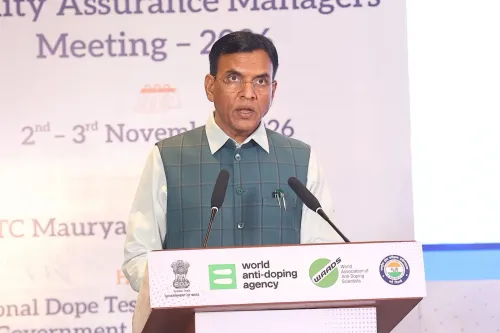
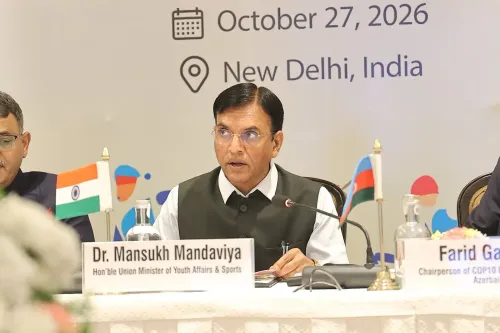
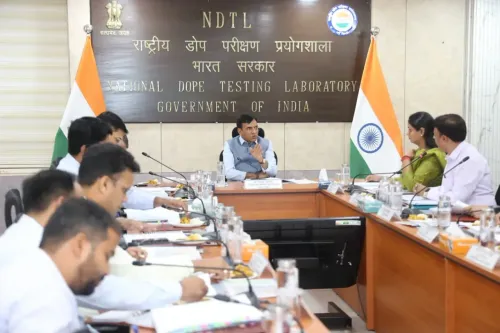
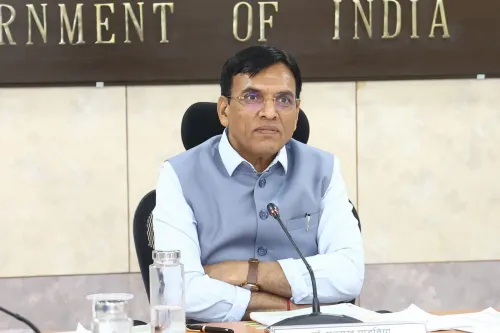
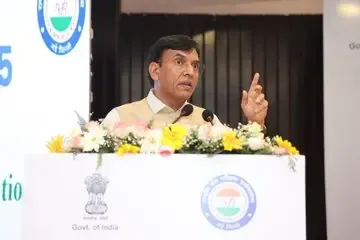
Union Minister of Youth Affairs and Sports Dr. Mansukh Mandaviya on Tuesday, 3 November 2026, reaffirmed India's firm stance against doping at the 10th World Association of Anti-Doping Scientists (WAADS) Quality Assurance Managers' Meeting 2026 in New Delhi, declaring that the country maintains a zero tolerance policy for performance-enhancing substances. Speaking as chief guest, he also formally launched the Extramural Research Grant Policy of the National Dope Testing Laboratory (NDTL) — a move aimed at accelerating scientific research in doping detection and prevention.
Key Launches at the Meeting
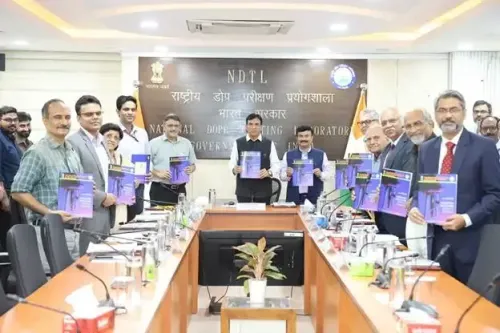
Dr. Mandaviya unveiled two significant initiatives at the two-day conference, which began on 2 November 2026 and was organised by the NDTL. The Extramural Research Grant Policy is designed to fund advanced research in prohibited-substance detection and athlete protection. He also oversaw the launch of the NDTL Newsletter, which is intended to keep the broader anti-doping community informed of scientific developments and regulatory updates.
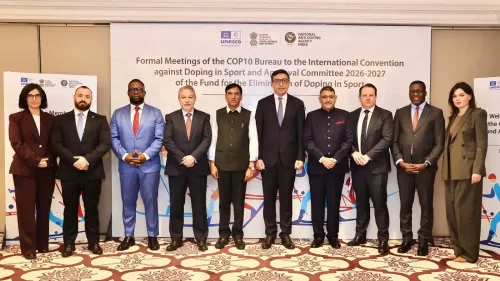
The meeting brought together international stakeholders from both the sports and scientific communities. Attendees included Secretary (Sports) Hari Ranjan Rao, Dr. Osquel Barroso, Senior Associate Director (Laboratory Science and Medicine) at the World Anti-Doping Agency (WADA), Dr. Dorota Kwiatkowska, President of WAADS, and Prof. (Dr.) P. L. Sahu, Director of the NDTL, along with other senior scientists and international delegates.
What the Minister Said
Addressing the gathering, Dr. Mandaviya struck a firm tone: 'India has zero tolerance for doping. Our responsibility is to ensure that every victory is earned through talent, discipline, and hard work.'
He credited Prime Minister Narendra Modi's leadership for elevating sports to a strategic national priority. 'Over the last two years, under the leadership of our Prime Minister Narendra Modi, sports has been recognised as an important pillar of nation-building,' he said, adding that 'India's sporting journey has entered a new phase.'
The minister also stressed the need for broader education across the sporting ecosystem. 'Athletes, coaches, and medical professionals must understand the implications of prohibited substances, the risks associated with supplements, and their responsibilities under anti-doping rules,' he said.
Road to Commonwealth Games 2030 and Olympics 2036
With India set to host the Commonwealth Games 2030 and actively pursuing the bid to stage the 2036 Olympics, Dr. Mandaviya said anti-doping readiness is now inseparable from India's sporting ambitions. 'Anti-doping testing, athlete education, and international cooperation are a priority for us,' he stated, outlining an approach that combines stronger testing infrastructure with awareness and prevention programmes.
He pointed to a suite of government initiatives — Khelo India, Fit India, and the Target Olympic Podium Scheme (TOPS) — as evidence that the sporting ecosystem has been meaningfully strengthened over the past several years.
India's Recent Sporting Milestones
Dr. Mandaviya cited India's performance at the Asian Games 2026, where the country finished fourth in the final medal tally, as a marker of the progress made. He also highlighted the country's para-athletes, who secured a record 114 medals at the Asian Para Games 2026 — the highest ever medal haul for India at those games. These results, he argued, underscore both athletic promise and the urgency of keeping competition clean.
As India sharpens its global sporting profile, the twin pillars of elite performance and integrity assurance are expected to remain central to the government's strategy in the months and years ahead.
Point of View
But the real measure will be how quickly the NDTL translates that funding into upgraded detection capabilities. India's anti-doping framework has historically lagged its athletic ambitions — the country has faced international scrutiny over testing gaps even as its medal tallies have grown. With the Commonwealth Games 2030 and a live Olympics 2036 bid on the table, the reputational cost of a high-profile doping scandal would be disproportionate. The NDTL grant policy is a step in the right direction, but independent oversight of disbursements and outcomes will be critical to ensure it does not remain a headline measure.
NationPress
3 Nov 2026
Frequently Asked Questions
What is the NDTL Extramural Research Grant Policy launched by Dr. Mandaviya?
It is a funding policy launched by the National Dope Testing Laboratory (NDTL) on 3 November 2026 to promote research and development in advanced doping detection and prevention. The policy is intended to strengthen the scientific foundation of India's anti-doping efforts ahead of the Commonwealth Games 2030 and the 2036 Olympics bid.
What is the WAADS Quality Assurance Managers' Meeting 2026?
The 10th World Association of Anti-Doping Scientists (WAADS) Quality Assurance Managers' Meeting 2026 is a two-day international conference organised by the NDTL in New Delhi, beginning 2 November 2026. It brings together anti-doping scientists, laboratory quality assurance officials, and global stakeholders from sports and scientific communities.
Why is anti-doping a priority for India right now?
India is preparing to host the Commonwealth Games 2030 and is pursuing a bid for the 2036 Olympics, making clean sport a matter of international credibility. The government has cited India's fourth-place finish at the Asian Games 2026 and a record 114 medals at the Asian Para Games 2026 as evidence of growing athletic ambitions that must be backed by rigorous anti-doping infrastructure.
What sporting milestones did Dr. Mandaviya highlight at the meeting?
Dr. Mandaviya pointed to India finishing fourth in the final medal tally at the Asian Games 2026 and para-athletes securing a record 114 medals at the Asian Para Games 2026 — the highest India has ever won at those games. He also referenced government schemes such as Khelo India, Fit India, and the Target Olympic Podium Scheme as drivers of the country's improved sporting performance.
Who attended the WAADS 2026 meeting in New Delhi?
The meeting was attended by Secretary (Sports) Hari Ranjan Rao, Dr. Osquel Barroso (Senior Associate Director, Laboratory Science and Medicine, WADA), Dr. Dorota Kwiatkowska (President, WAADS), Prof. (Dr.) P. L. Sahu (Director, NDTL), and several international scientists and delegates alongside Sports Minister Dr. Mansukh Mandaviya.