Mandaviya Chairs NDTL Governing Body Meet in New Delhi
Synopsis
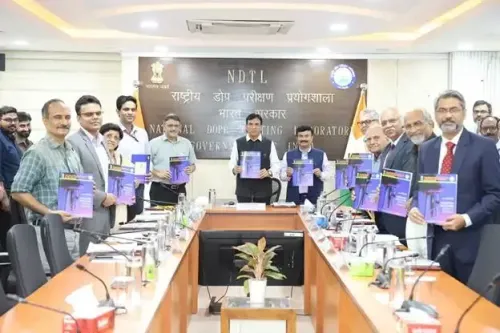
Union Minister Mansukh Mandaviya chaired the NDTL Governing Body meeting in New Delhi on 25 June 2026, underlining the Modi government's commitment to building a robust, WADA-compliant anti-doping framework for Indian sport.
Key Takeaways
Mansukh Mandaviya chaired the National Dope Testing Laboratory Governing Body meeting in New Delhi on 25 June 2026 .
NDTL is India's only WADA-accredited laboratory for elite athlete dope testing, established in 2008 .
The National Anti-Doping Act 2022 gave statutory backing to India's anti-doping bodies, aligning the country with the World Anti-Doping Code.
A credible NDTL is critical to India's ambitions to host global events, including a potential 2036 Olympics bid.
Governing Body oversight covers testing capacity, laboratory operations, and compliance with international WADA protocols.
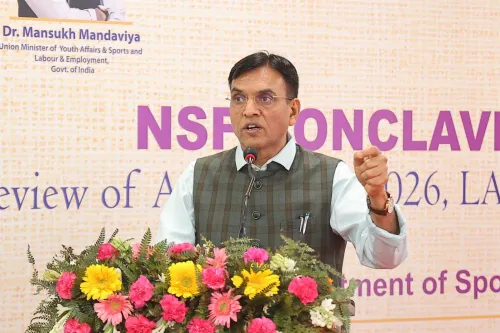
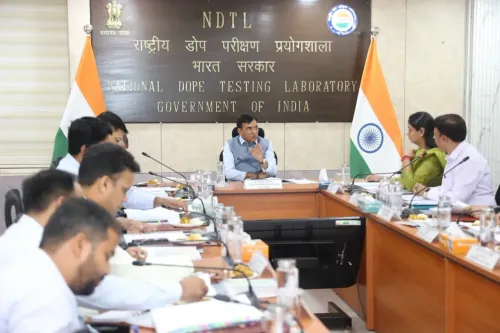
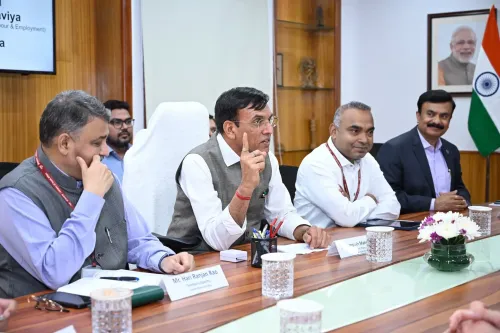
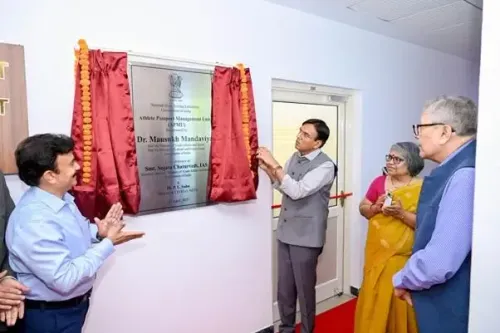
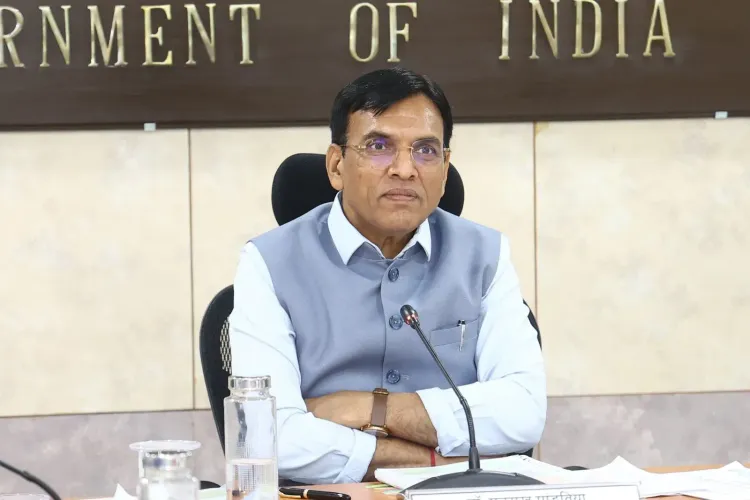
Union Labour and Sports Minister Mansukh Mandaviya on Thursday, 25 June 2026 chaired the Governing Body meeting of the National Dope Testing Laboratory (NDTL) in New Delhi, signalling continued government focus on strengthening India's anti-doping institutional framework.
Context
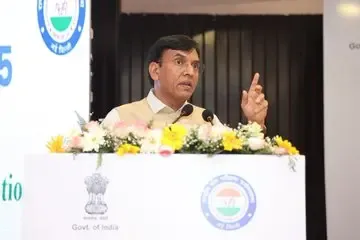
In his post, Minister Mandaviya stated that 'institutions like NDTL are helping in strengthening the anti-doping ecosystem across the nation' under Prime Minister Narendra Modi's leadership. The meeting brought together the laboratory's Governing Body to review the functioning of India's apex dope-testing institution. The NDTL, established in 2008, is the country's sole laboratory accredited by the World Anti-Doping Agency (WADA) for the analysis of urine and blood samples from elite athletes.
Policy Backdrop
The NDTL operates as an autonomous body under the Ministry of Youth Affairs and Sports and functions within a framework significantly reinforced by the National Anti-Doping Act of 2022. That legislation gave statutory authority to anti-doping bodies in India, including the creation of a National Board for anti-doping, moving the country from ad-hoc testing arrangements to a Code-compliant ecosystem. The Act aligned India's domestic framework with the World Anti-Doping Code, a prerequisite for hosting and bidding for marquee events such as the Olympics and Asian Games.
WADA periodically audits accredited laboratories to ensure compliance with international standards. Maintaining NDTL's accreditation is central to the credibility of Indian athletes' clean-sport credentials on the global stage.
Stakeholders and Impact
The primary beneficiaries of a robust NDTL are elite Indian athletes and national sports federations, whose competitive integrity depends on credible, internationally recognised dope-testing infrastructure. A WADA-accredited laboratory on home soil reduces turnaround times for sample analysis and lowers logistical costs for federations that would otherwise rely on overseas labs. For India's broader sports ambitions — including its bid to host the 2036 Olympic Games — institutional strength at NDTL is a non-negotiable compliance requirement.
The Governing Body meeting provides the ministry with a direct oversight mechanism over the laboratory's operational priorities, testing capacity, and adherence to WADA protocols.
What's Next
Decisions emerging from the June 2026 Governing Body meeting regarding testing capacity expansion and laboratory upgrades are expected to shape NDTL's operational roadmap for the coming year. Any scheduled WADA audit in late 2026 will serve as an external benchmark for the progress made under the current ministry's stewardship. Continued investment in NDTL's infrastructure will be closely watched by sports federations and the international anti-doping community alike as India prepares for an increasingly demanding global sports calendar.
Point of View
Not merely a regulatory checkbox. The Modi government's enactment of the National Anti-Doping Act in 2022 was a structural shift; these Governing Body engagements are the follow-through that determines whether the law translates into institutional capacity. With India's Olympic hosting ambitions in the frame, WADA compliance is as much a diplomatic and economic signal as it is a sports-integrity one. The minister's framing of NDTL within the broader 'PM Modi leadership' narrative also suggests that sports governance reform will continue to be presented as a flagship governance achievement ahead of the electoral cycle.
NationPress
24 Sept 2026
Frequently Asked Questions
What is the National Dope Testing Laboratory (NDTL)?
The National Dope Testing Laboratory is India's sole WADA-accredited laboratory for analysing urine and blood samples from elite athletes. It was established in 2008 as an autonomous body under the Ministry of Youth Affairs and Sports to provide in-house dope-testing capacity.
What did Mansukh Mandaviya do at the NDTL meeting on 25 June 2026?
Minister Mansukh Mandaviya chaired the Governing Body meeting of the NDTL in New Delhi on 25 June 2026. He used the occasion to highlight the laboratory's role in strengthening India's anti-doping ecosystem under Prime Minister Narendra Modi's leadership.
What is the National Anti-Doping Act 2022?
The National Anti-Doping Act 2022 is a law enacted by the Indian Parliament that gave statutory authority to anti-doping bodies in India, including the creation of a National Board for anti-doping. It aligned India's framework with the World Anti-Doping Code enforced by WADA.
Why is WADA accreditation important for India?
WADA accreditation of NDTL ensures that dope-test results from Indian athletes are internationally recognised and legally defensible. It is also a compliance requirement for India to host or bid for major global sporting events such as the Olympics and Asian Games.
What is India's connection to the 2036 Olympics bid?
India has expressed interest in hosting the 2036 Olympic Games. A WADA-compliant anti-doping infrastructure, anchored by a fully accredited NDTL, is among the institutional prerequisites that international bodies assess when evaluating a country's readiness to host the Games.