Mandaviya chairs UNESCO anti-doping meet, pledges criminal law push
Synopsis
India is moving beyond administrative penalties on doping — Sports Minister Dr. Mandaviya told a UNESCO anti-doping convention in New Delhi that a fresh parliamentary amendment will introduce criminal provisions targeting coaches and supply chain actors. With NADA crossing 7,000 tests in 2025–26 and a new school-level ethics toolkit in the pipeline, India is positioning itself as a leading voice in the global clean-sport movement.
Key Takeaways
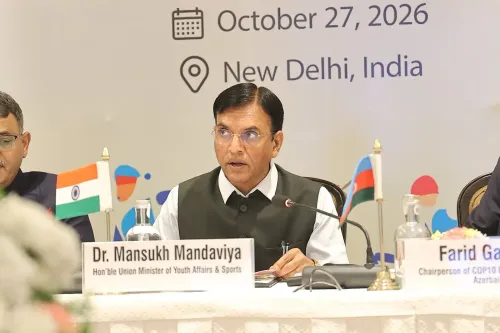
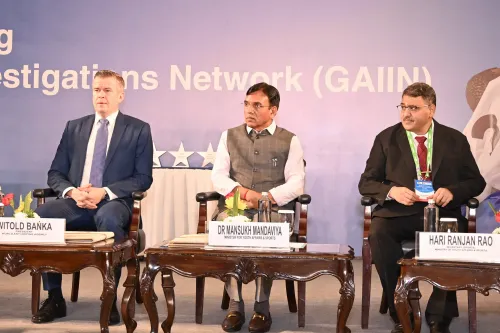
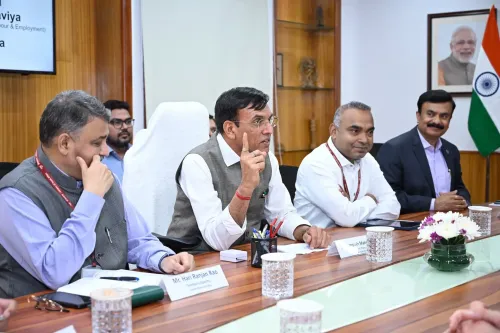
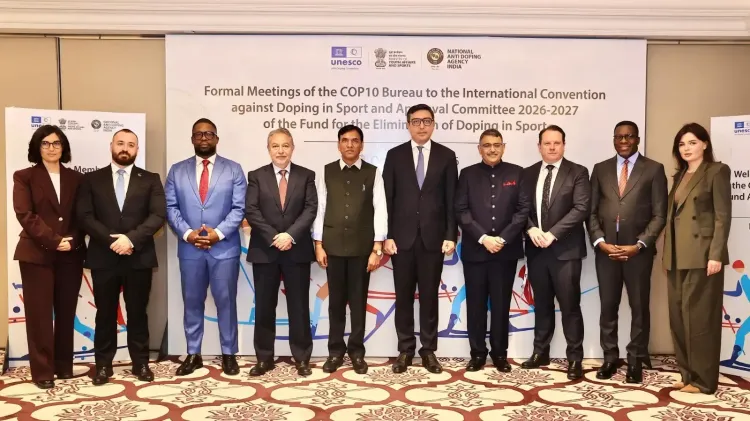
Mansukh Mandaviya chaired the COP10 Bureau and Fund Approval Committee meetings under the UNESCO International Convention against Doping in Sport in New Delhi on 27 October 2026 .
India plans a new parliamentary amendment to introduce criminal provisions for doping violations, extending liability to coaches and supply chain stakeholders .
The National Anti-Doping Act, 2022 and its 2025 Amendment both came into force in July 2026 .
NADA India conducted over 7,000 tests and 350+ awareness sessions reaching 27,000 participants in 2025–26.
The Know Your Medicine app surpassed half a million searches , aiding athlete decision-making.
A UNESCO-backed Sport Values in Every Classroom Toolkit MoU is set to be signed between the sports ministry, education ministry, and UNESCO.
Sports Minister Dr. Mansukh Mandaviya on Tuesday, 27 October 2026, reaffirmed India's commitment to clean sport at the UNESCO International Convention against Doping in Sport meetings held in New Delhi, announcing plans for a fresh parliamentary amendment that would introduce criminal provisions against doping violations, including those by coaches and supply chain stakeholders.
What Dr. Mandaviya Said
Chairing the third formal meeting of the COP10 Bureau and the fourth formal meeting of the Fund's Approval Committee for 2026–27, Mandaviya told participants that the principle of fair competition was non-negotiable. 'Every athlete deserves a fair opportunity to compete, with success determined by talent, preparation and hard work, and not by prohibited substances or methods,' he said.
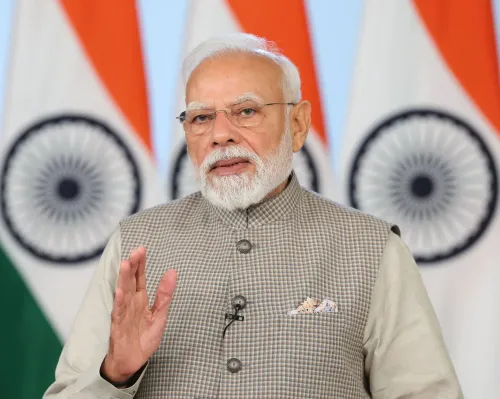
He also invoked Prime Minister Narendra Modi's repeated emphasis on clean sport, stating that the government practises 'zero tolerance towards the menace of doping.'
India's Strengthened Anti-Doping Framework
Mandaviya highlighted the National Anti-Doping Act, 2022, and its 2025 Amendment, both of which came into force in July 2026, as cornerstones of India's reinforced legal architecture. He signalled that a further amendment — aimed at criminalising doping-related offences and extending accountability to coaches and supply chain actors — would be tabled in the next session of Parliament.
This represents a notable escalation in India's legislative approach to doping, moving beyond administrative sanctions toward criminal liability — a shift that mirrors regulatory tightening seen in several European jurisdictions in recent years.
Testing, Education and Outreach Numbers
The minister cited significant ground-level activity by the National Anti-Doping Agency (NADA) India during 2025–26: over 7,000 tests conducted, more than 350 education and awareness sessions held, and 27,000 participants reached. The sessions emphasised risk-based testing and intelligence-led investigations.
Mandaviya also noted that the Know Your Medicine mobile application had logged over half a million searches, helping athletes and support staff make informed decisions about permissible medicines.
UNESCO Classroom Toolkit and Global Collaboration
A Memorandum of Understanding is to be signed between the Ministry of Youth Affairs and Sports, the Ministry of Education, and UNESCO to introduce the Sport Values in Every Classroom Toolkit across Indian schools — an initiative designed to embed sporting ethics and integrity in millions of young minds.
The meetings also addressed a framework document on the roles of public authorities in the global anti-doping ecosystem, anti-doping education capacity, academic research via the National Compliance Platform, resource mobilisation, and the Fund's Operational Strategy for 2026–2031.
The inaugural session was attended by Farid Gayibov, Minister of Youth and Sports of Azerbaijan and Chairperson of the COP10 Bureau; Luke McCann, Chairperson of the Approval Committee of the Fund for the Elimination of Doping in Sport; Hari Ranjan Rao, Secretary (Sports), Government of India and Vice-Chairperson of the COP10 Bureau; Gustavo Merino, Director for Social Policies and Inclusion, UNESCO; and Bureau members from Zambia, Spain, and Russia.
What Comes Next
India's proposed criminal amendment to its anti-doping law is expected to be tabled in the next parliamentary session, with implementation timelines subject to legislative approval. The Fund's Operational Strategy for 2026–2031 agreed at the meeting will shape resource allocation for global anti-doping programmes over the coming five years.
Point of View
Not routine posturing. Most nations still rely on administrative bans; criminalisation, if enacted, would place India among a small group of countries that treat doping as a public-order offence rather than a sports governance lapse. The real test will be drafting a law precise enough to survive judicial scrutiny without chilling legitimate medical practice. The NADA testing numbers are encouraging, but India's positive-rate data and follow-through on sanctions remain underreported — the full picture of compliance is still missing from the public record.
NationPress
27 Oct 2026
Frequently Asked Questions
What did India announce at the UNESCO anti-doping convention meeting in October 2026?
Sports Minister Dr. Mansukh Mandaviya announced that India will introduce a new parliamentary amendment to its anti-doping law that adds criminal provisions for doping violations, including by coaches and supply chain stakeholders. He made the announcement while chairing the COP10 Bureau and Fund Approval Committee meetings in New Delhi on 27 October 2026.
What is the National Anti-Doping Act and when did it come into force?
The National Anti-Doping Act, 2022, along with its 2025 Amendment, forms India's primary legal framework against doping in sport. Both came into force in July 2026, replacing older, weaker administrative mechanisms with a more structured institutional and legal structure.
How many anti-doping tests did NADA India conduct in 2025–26?
The National Anti-Doping Agency (NADA) India conducted over 7,000 tests in 2025–26, alongside more than 350 education and awareness sessions reaching 27,000 participants. The agency focused on risk-based testing and intelligence-led investigations.
What is the Sport Values in Every Classroom Toolkit initiative?
It is a UNESCO-backed programme that India plans to introduce in schools through a Memorandum of Understanding between the Ministry of Youth Affairs and Sports, the Ministry of Education, and UNESCO. The toolkit is designed to embed sporting values, ethics, and integrity in classrooms, targeting millions of young students.
Who attended the UNESCO anti-doping convention meetings in New Delhi?
The meeting was attended by senior officials including Farid Gayibov (Minister of Youth and Sports, Azerbaijan, and COP10 Bureau Chairperson), Luke McCann (Chairperson of the Fund Approval Committee), Hari Ranjan Rao (Secretary, Sports, Government of India), Gustavo Merino (UNESCO), and Bureau members from Zambia, Spain, and Russia.