Mandaviya addresses UNESCO COP-10 anti-doping meet in Delhi
Synopsis
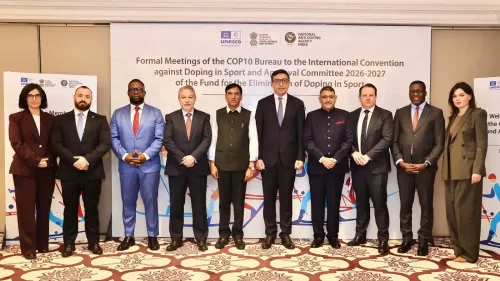
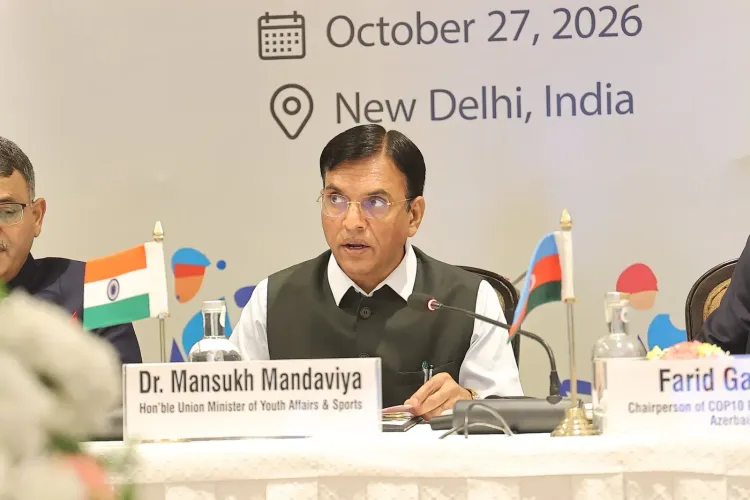
Union Sports Minister Mansukh Mandaviya addressed UNESCO COP-10 Bureau and Fund Approval Committee meetings in New Delhi on 27 October 2026, reaffirming India's zero-tolerance doping stance under PM Modi and highlighting the country's growing role in global sports-integrity governance.
Key Takeaways
Mansukh Mandaviya addressed the UNESCO COP-10 Bureau and Fund Approval Committee meetings in New Delhi on 27 October 2026 .
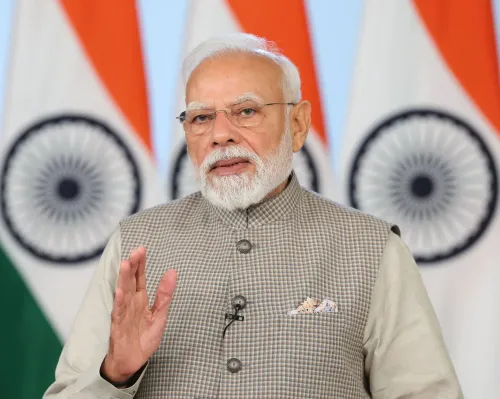
India has maintained a zero-tolerance policy on doping under the leadership of Prime Minister Narendra Modi .
India acceded to the UNESCO International Convention against Doping in Sport in 2007 .
The National Anti-Doping Agency (NADA) , established in 2005 , is India's primary domestic anti-doping body aligned with WADA standards.
COP-10 fund committee decisions will shape resource flows to national anti-doping programmes globally, including India's.
Hosting the sessions in New Delhi reflects India's push for greater influence in international sports-governance forums.
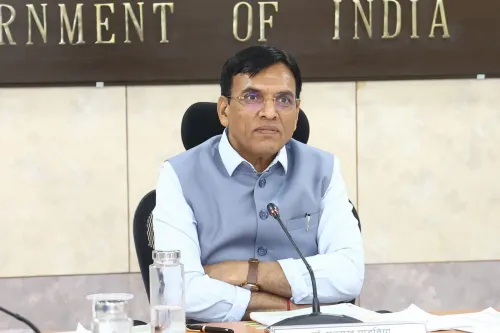
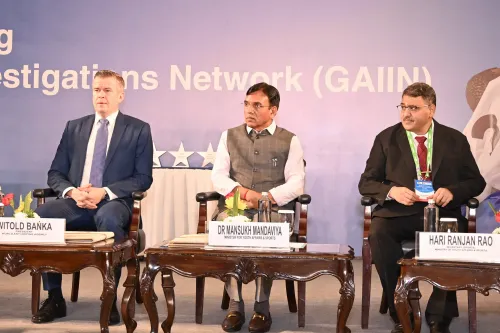
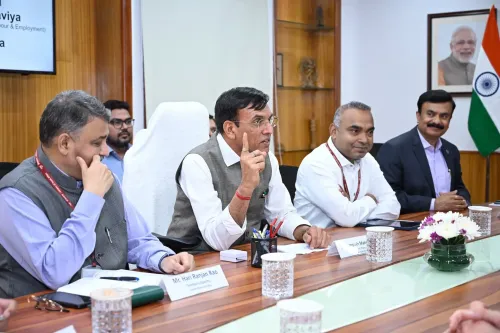
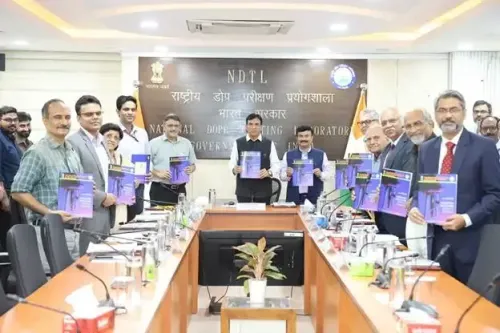
India took its anti-doping commitment to a global stage on Tuesday, 27 October 2026, as Union Minister of Labour, Employment, Youth Affairs and Sports Mansukh Mandaviya addressed the UNESCO COP-10 Bureau and Fund Approval Committee meetings in New Delhi — reaffirming the country's zero-tolerance stance on doping in sport before an international audience.
India at the UNESCO anti-doping table
The Tenth Conference of Parties (COP-10) to the UNESCO International Convention against Doping in Sport is the apex multilateral forum where signatory nations shape global anti-doping policy and direct fund allocations to enforcement bodies worldwide. India has been a party to the convention since 2007, and hosting the bureau and fund committee sessions in New Delhi marks a visible step up in the country's engagement with sports-integrity diplomacy.
Mandaviya, speaking at the sessions, underlined that Prime Minister Narendra Modi's government treats doping as non-negotiable. 'India maintains a zero-tolerance policy towards doping and remains committed to advancing clean sport,' he stated, signalling continuity in policy to the assembled delegations.
NADA's two-decade journey to global alignment
India's domestic machinery has been two decades in the building. The National Anti-Doping Agency (NADA), established in 2005 — the same year the UNESCO convention was adopted — is the institutional spine that translates international obligations into on-ground testing, sanctions, and athlete education. Over the years, successive legislative and procedural reforms have progressively aligned NADA's standards with those of the World Anti-Doping Agency (WADA), narrowing the gap between global best practice and Indian implementation.
The fund discussions at COP-10 carry real consequence: decisions taken in these committee rooms determine how resources flow to national anti-doping programmes, capacity-building initiatives, and research — directly affecting how clean the global competitive field looks at the next Olympics or Commonwealth Games.
Why New Delhi as host matters
Geographically and symbolically, bringing COP-10 bureau sessions to the Indian capital signals that New Delhi is positioning itself as more than a rule-taker in international sports governance — it wants a seat at the rule-making table. India's growing medal ambitions on the world stage make that positioning strategically coherent: a country serious about winning hardware has every incentive to be serious about the integrity of the competition. Watch for any fund-allocation decisions or amendments to the convention text that emerge from these sessions — they will set the anti-doping agenda well into the next Olympic cycle.
Point of View
It is simultaneously investing in the credibility architecture that legitimises those achievements internationally. Mandaviya's presence at a technical multilateral forum — not just a ceremonial photo-op — signals that the Sports Ministry views anti-doping governance as statecraft, not box-ticking. The alignment of NADA with WADA standards over two decades has been incremental and often contested; COP-10 participation is India's way of consolidating that credibility on a global stage. The key question is whether the fund-allocation outcomes translate into measurable upgrades in domestic testing infrastructure before the next major multi-sport cycle.
NationPress
27 Oct 2026
Frequently Asked Questions
What is UNESCO COP-10 and why does it matter for India?
COP-10 is the Tenth Conference of Parties to the UNESCO International Convention against Doping in Sport, the main global forum where signatory nations shape anti-doping policy and allocate funds. India has been a party to the convention since 2007, and hosting the bureau and fund committee sessions in New Delhi in October 2026 reflects its growing role in multilateral sports governance.
What did Mansukh Mandaviya say at the UNESCO anti-doping meeting?
Mandaviya reaffirmed that under Prime Minister Narendra Modi's leadership, India maintains a zero-tolerance policy towards doping and remains committed to advancing clean sport globally.
What is NADA and how does it relate to the UNESCO convention?
The National Anti-Doping Agency (NADA) was established in 2005 to enforce domestic anti-doping rules in India. It operates in alignment with the World Anti-Doping Agency (WADA) and gives effect to India's obligations under the UNESCO International Convention against Doping in Sport, which India signed in 2007.
When did India sign the UNESCO anti-doping convention?
India acceded to the UNESCO International Convention against Doping in Sport in 2007.
What decisions come out of the UNESCO COP Fund Approval Committee?
The Fund Approval Committee determines how financial resources under the UNESCO anti-doping convention are allocated to national programmes, capacity building, and research — decisions that directly influence how well countries can implement anti-doping measures domestically.